Cocktails are small drinks with strong ingredients, so small differences matter. An extra 10 ml of lime can turn a balanced Daiquiri sharp, and a heavy hand with syrup makes it cloying. Measuring precisely is the easiest way to make drinks that taste the same every time. This guide explains the units you will meet, how to convert them and the basic ratios behind most classics.
Millilitres, centilitres and ounces
Recipes use different units depending on where they were written:
- Millilitres (ml): the standard in most of the world and the unit we use on CocktailLexicon.
- Centilitres (cl): common in German-speaking countries and parts of Europe. 1 cl equals 10 ml, so 4 cl is 40 ml.
- Fluid ounces (oz): used in the United States. One US fluid ounce is about 29.6 ml. In practice bartenders round it to 30 ml.
| Ounces | Bar conversion |
|---|---|
| 1/4 oz | 7.5 ml |
| 1/2 oz | 15 ml |
| 3/4 oz | 22.5 ml |
| 1 oz | 30 ml |
| 1 1/2 oz | 45 ml |
| 2 oz | 60 ml |
The rounding does not matter as long as you apply it to every ingredient: ratios stay the same. Every recipe on our site lets you switch between ml and oz.
Small measures
- Dash: one quick shake from a bitters bottle with a dasher top. It is imprecise by nature, roughly 1 ml or a little less.
- Drop: a single drop from a dropper, used for very intense ingredients such as salt solution or tinctures.
- Bar spoon: roughly 3 to 5 ml depending on the spoon. Check yours with a measuring spoon once.
- Splash: a small, unmeasured amount, usually of soda or juice. Taste to decide.
- Top up: fill the glass with the mixer. The amount depends on the glass size.
Why measuring matters
Free pouring looks impressive, but even experienced bartenders measure most of the time. Spirits, syrups and citrus all have strong flavours, and the space between balanced and unbalanced is often just 5 ml. A jigger with inner markings makes precise measuring quick. Hold it level, fill it to the brim (a meniscus that sits just at the rim) and pour cleanly.
Classic ratios
Many drinks follow a few basic templates. Knowing them helps you understand recipes and fix drinks that are not quite right.
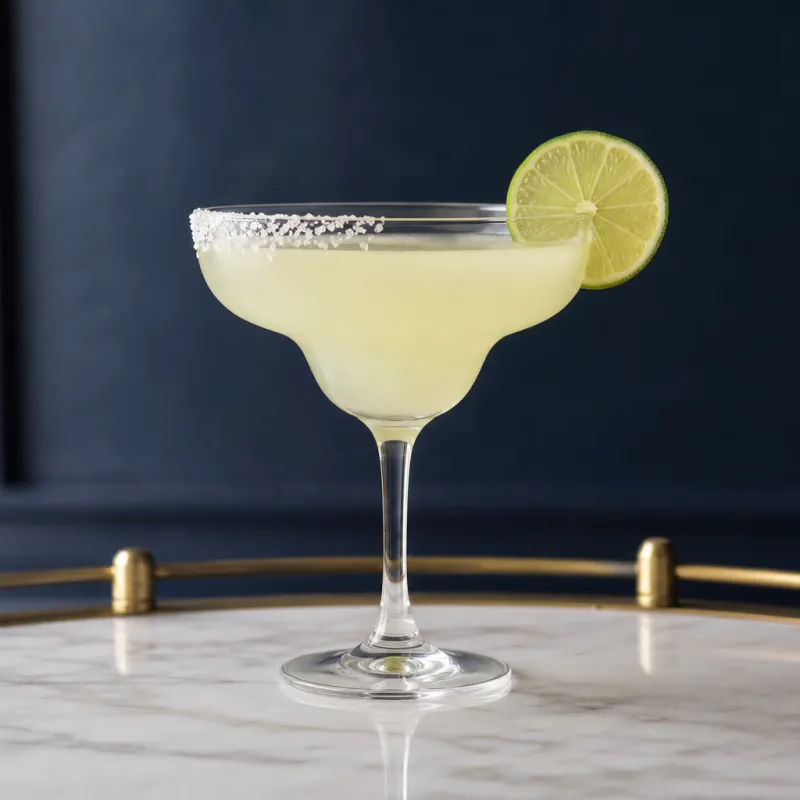
- The sour (2 : 1 : 1 or 2 : 3/4 : 3/4): spirit, citrus, sweetener. 60 ml rum, 30 ml lime and 30 ml syrup is a traditional starting point. Many bartenders prefer 60 : 22.5 : 22.5, or less syrup than citrus for a drier drink. Daiquiri, Whiskey Sour, Gimlet and Margarita (with orange liqueur as part of the sweetener) follow this idea.
- Equal parts (1 : 1 : 1): the Negroni (gin, Campari, sweet vermouth) and the Last Word (with four ingredients in equal measure) show how simple it can be.
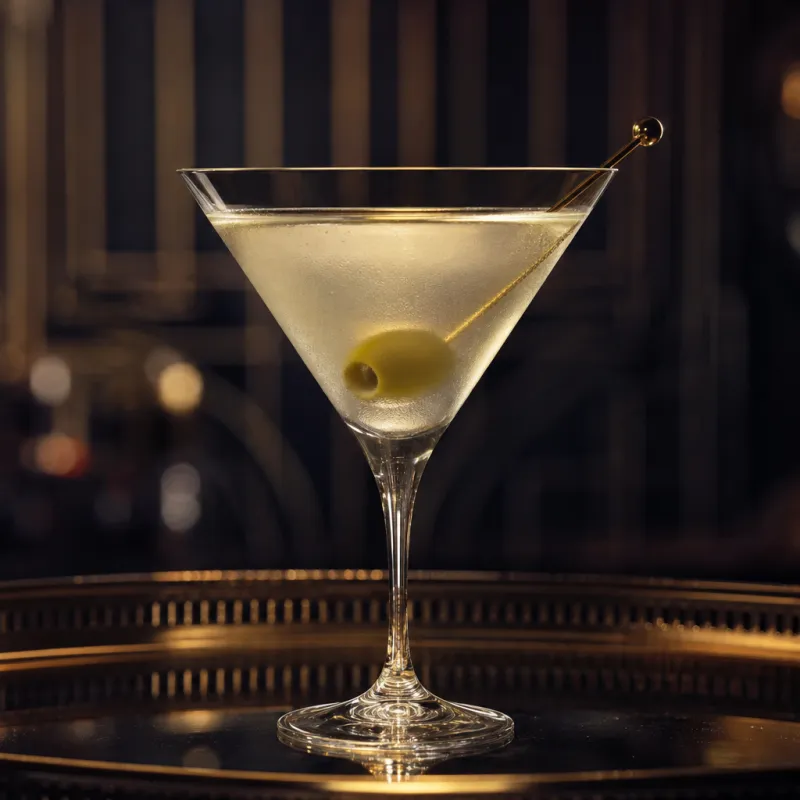
- Spirit and vermouth (2 : 1): the classic Manhattan uses two parts whiskey to one part sweet vermouth. Martini ratios range widely, from about 2 : 1 to very dry versions with only a rinse of vermouth.
- The highball (1 : 3): one part spirit to about three parts mixer, for example 50 ml gin and 150 ml tonic.
- The old fashioned: about 60 ml spirit, 5 to 10 ml syrup and two or three dashes of bitters.
How to fix a drink
- Too sour: add 5 ml syrup.
- Too sweet or flat: add 5 ml citrus, or a few drops of salt solution.
- Too strong or hot: stir or shake a little longer for more dilution, or add a splash of water.
- Too weak or watery: use colder, larger ice next time, shake for less time and chill the glass.
Adjust in small steps and taste each time. Write down your version once you like it: citrus and syrup vary, and your notes make the next drink faster.
A good jigger is the first tool worth buying. See our bar tools for options, and try the ratios on the classics in our cocktail collection.