A good home bar is not a wall of bottles. It is a small, well chosen collection that lets you make the drinks you actually enjoy, plus a few fresh ingredients you buy as needed. Building it step by step saves money and shelf space, and every stage adds a new group of recipes. This guide shows one sensible order. Adapt it to your taste: if you never drink whiskey, skip it.
Two things matter more than the number of bottles. First, space in the fridge and freezer: fresh juice, vermouth, syrups, mixers and above all ice need cold storage. Second, a handful of reliable recipes. It is better to make five drinks really well than to own forty bottles and use most of them once a year. Start with the drinks you already order in bars and build outward from there.
Step 1: the fresh basics
Before buying any more bottles, make sure you can produce the three ingredients that appear in the largest number of recipes:
- Fresh limes and lemons, squeezed on the day.
- Simple syrup, made from equal parts sugar and water (see our syrup guide).
- Good ice, more than you think you need.
With these and a single spirit you can already make a sour: rum gives you the Daiquiri, gin the Gimlet (with lime) or a Gin Sour, whiskey the Whiskey Sour.
Step 2: two or three base spirits
Choose the spirits you like drinking. A versatile first set looks like this:
- London Dry gin: for the Gin and Tonic, the Tom Collins, the Gimlet and, later, the Martini and the Negroni.
- Light rum: for the Daiquiri, the Mojito and the Cuba Libre.
- Bourbon or rye whiskey: for the Whiskey Sour, the Old Fashioned and the Manhattan.
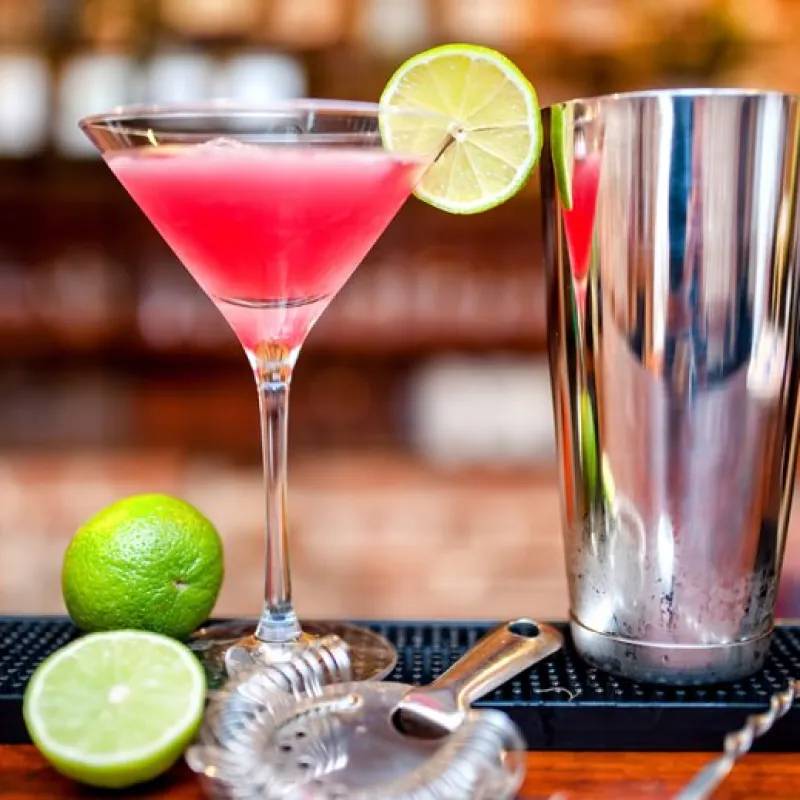
If you prefer agave, a 100% agave blanco tequila opens the Margarita, the Paloma and the Tommy's Margarita. Vodka is useful for the Moscow Mule, the Cosmopolitan and the Espresso Martini.
Step 3: bitters
A bottle of Angostura bitters costs little and lasts a long time. It is needed for the Old Fashioned and the Manhattan and adds depth to many other drinks. Orange bitters are a useful second bottle.
Step 4: mixers
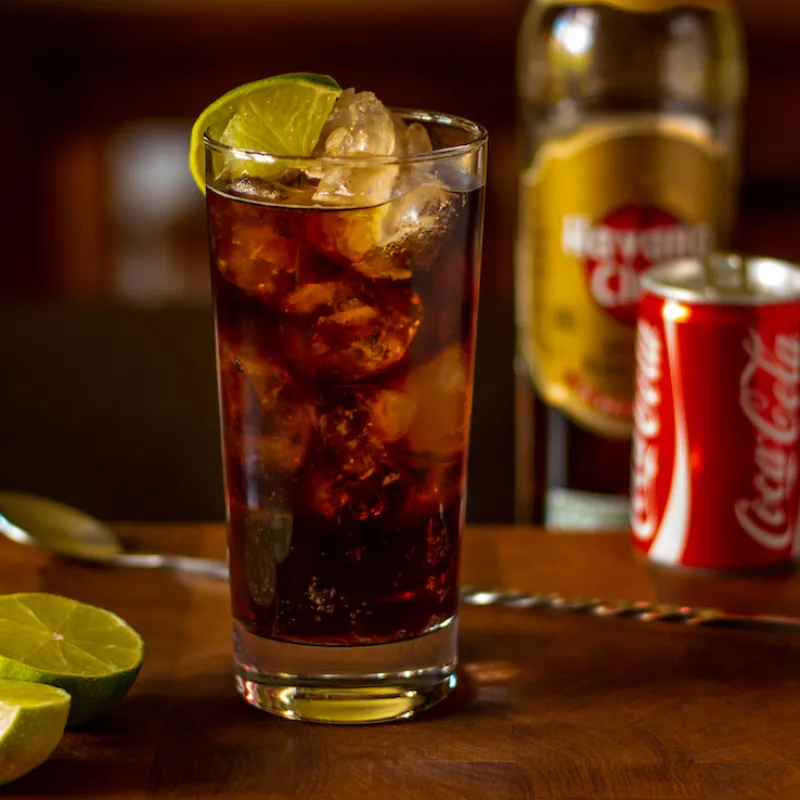
Keep a few small bottles of soda water, tonic and ginger beer in the fridge. With them, each spirit becomes a highball: Gin and Tonic, Moscow Mule, Dark 'n' Stormy, Cuba Libre (with cola), whisky highball. Small bottles stay fizzy, large ones go flat.
Step 5: the first modifiers
Now add the bottles that turn simple drinks into classics:
- Orange liqueur (triple sec): Margarita, Sidecar, Cosmopolitan.
- Sweet vermouth: Manhattan, Negroni, Americano.
- Dry vermouth: Martini.
- Campari: Negroni, Americano, Boulevardier.
Remember that vermouth is wine and belongs in the fridge once opened. Buy small bottles if you use it rarely.
Step 6: expand by the drinks you love
From here, let your favourite recipes decide. If you enjoy sours, add honey syrup and try the Bee's Knees. If tiki drinks appeal to you, add a dark or Jamaican rum, orgeat and pineapple juice for the Mai Tai and the Painkiller. For bitter drinks, add an amaro or Aperol. For classics from the golden age, maraschino and green Chartreuse make the Aviation and the Last Word possible.
A good rule: buy a new bottle only when you have at least two or three recipes you want to make with it.
Step 7: garnishes and extras
- Oranges and lemons for twists
- Fresh mint for the Mojito and the Mint Julep
- Quality cocktail cherries for the Manhattan
- Olives for the Martini
- Fine salt for Margarita rims and a pinch in sours
- Eggs for foamy sours such as the Whiskey Sour or the Pisco Sour, if you like that texture
What you can make at each stage
| After step | Example drinks |
|---|---|
| 1 and 2 | Daiquiri, Gimlet, Whiskey Sour, Mojito |
| 3 | Old Fashioned |
| 4 | Gin and Tonic, Moscow Mule, Cuba Libre, Tom Collins |
| 5 | Margarita, Manhattan, Martini, Negroni, Sidecar |
| 6 | Mai Tai, Aviation, Last Word, Paper Plane |
What not to buy at the start
- Flavoured vodkas and novelty liqueurs: they appear in few recipes, and a fresh ingredient usually does the job better.
- Large bottles of rarely used products: a litre of a liqueur you need 10 ml at a time will last years and may fade.
- Ready-made sour mix: fresh citrus and simple syrup taste far better and cost less.
- Very expensive aged spirits for mixing: enjoy them neat instead.
An alcohol-free corner
A home bar should also serve guests who do not drink. Fresh citrus, a few syrups, ginger beer, tonic and soda water already make excellent mocktails. If you want more depth, a bottle of non-alcoholic aperitif or a bitter soda is a good addition, and our guide to alcohol-free drinks explains how to build balance without spirits.
Planning a small menu
When you have guests, you do not need to offer everything. Three drinks are plenty: one refreshing highball, one sour and one stirred or alcohol-free option. Choose recipes that share ingredients, so you need fewer bottles and less preparation. A Gin and Tonic, a Daiquiri and a Negroni, for example, need only gin, rum, Campari, sweet vermouth, tonic, limes and syrup.
Storage basics
- Spirits: upright, closed, away from heat and sunlight. They keep for years.
- Liqueurs: similar to spirits, but cream liqueurs need the fridge once opened.
- Vermouth, sherry and other wine-based products: fridge, and use within a few weeks.
- Syrups and juices: fridge, with a date on the bottle.
Use My Bar to tick off what you already have and see which recipes you can make tonight. The ingredients section lists every product with the drinks that use it, and for equipment see our bar tools.