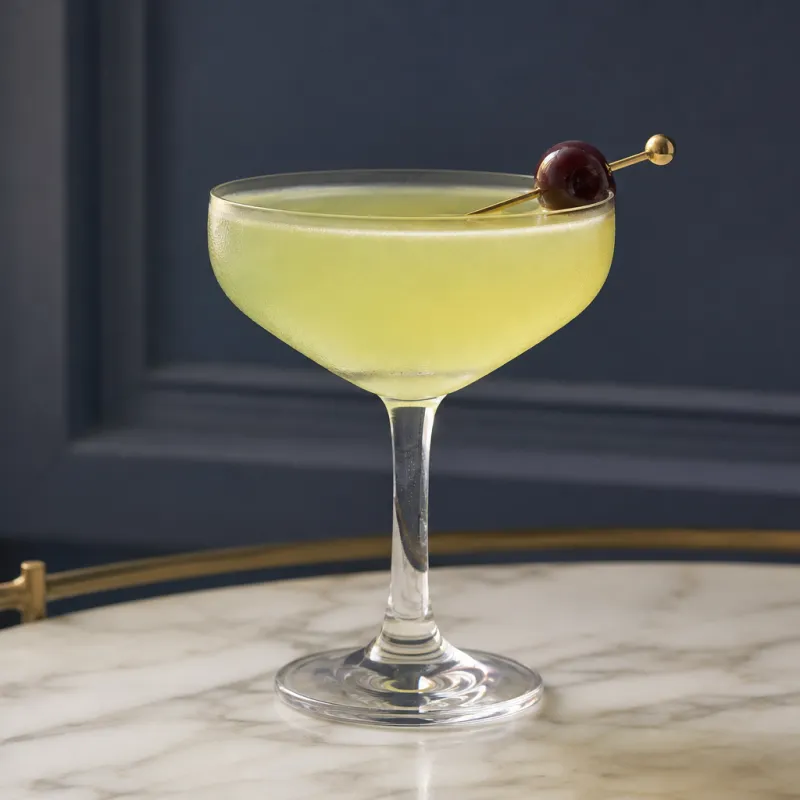
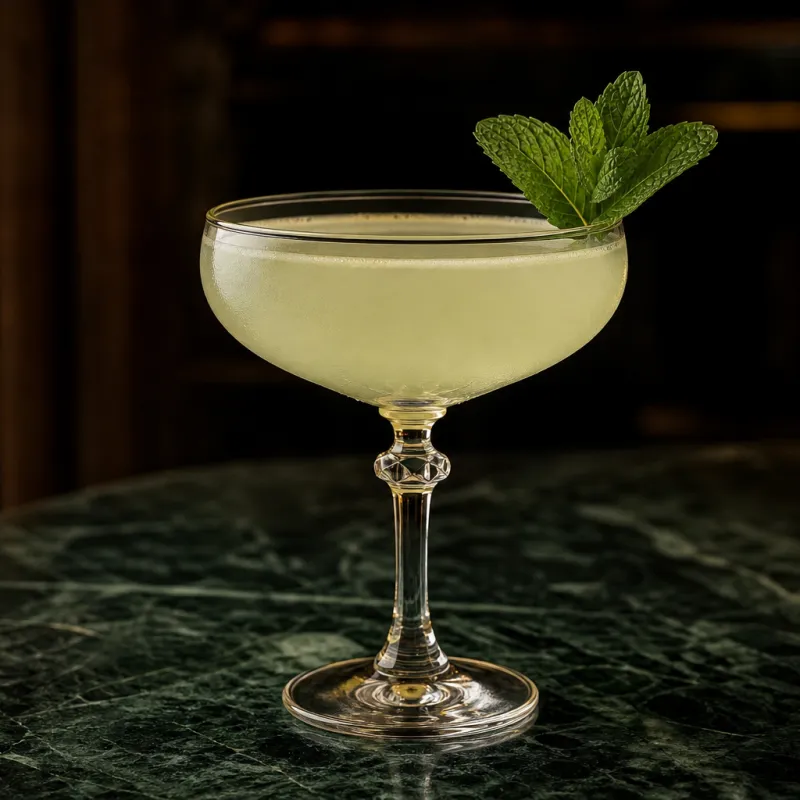
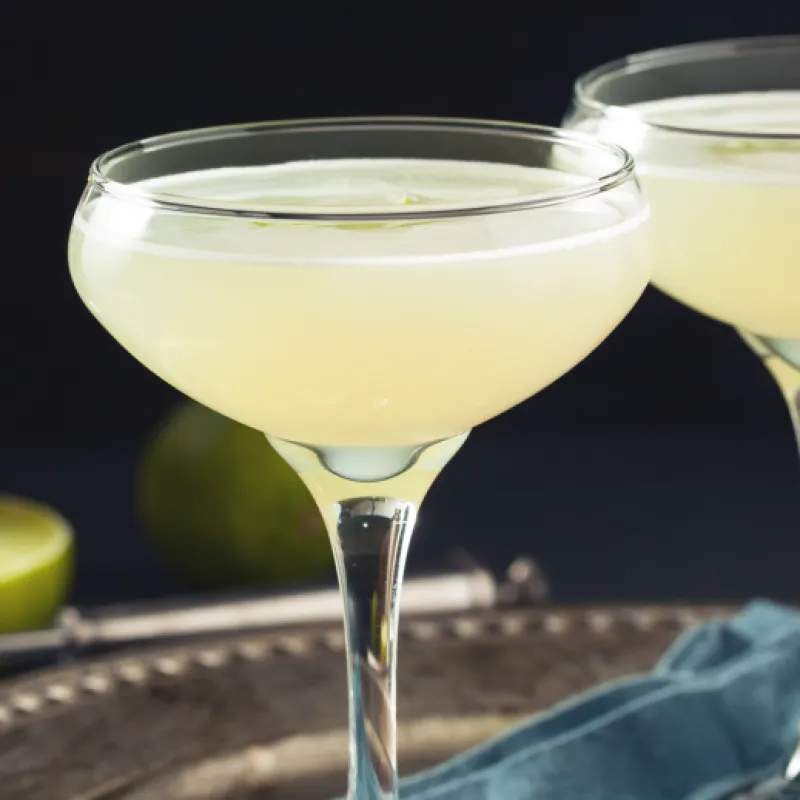
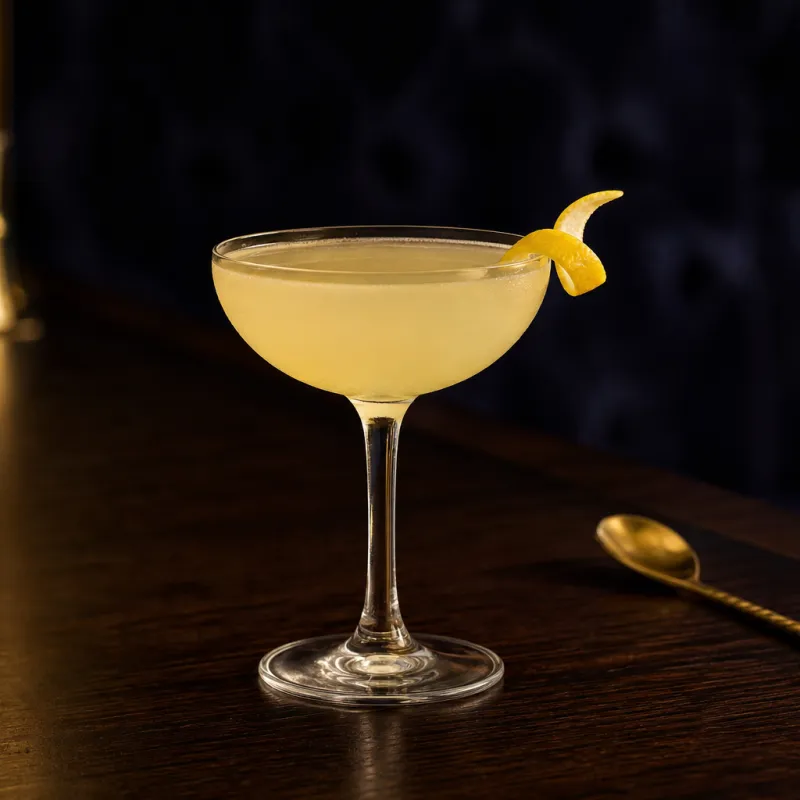
Four ingredients in equal measure, and none of them wins. Green Chartreuse brings alpine herbs and heat, maraschino adds a floral cherry sweetness, lime cuts through both and gin holds the frame. The result is pale green, sharp and remarkably complex.
4.7Editors’ rating
Taste4.7
Balance4.7
Easy to make3.8
Popularity65
Reader rating: No reader ratings yet. Be the first.
Garnish: Cherry (optional) · Ice: Served up, no ice
Method
Chill a coupe.
Add gin, green Chartreuse, maraschino liqueur and lime juice to a shaker.
Fill with ice and shake hard for 12 to 15 seconds.
Double strain into the chilled coupe.
Garnish with a brandied or maraschino cherry, if you like.
Link copied
Watch it made
Last Word
Taste
Herbal and tart with alpine spice, floral cherry and bright lime, balanced between sweet and sour. Strong, with a long herbal finish.
History and origin
The Last Word is traced to the Detroit Athletic Club around the time of the First World War. The drink was recorded in Ted Saucier's 1951 book Bottoms Up, which credits the club and says it was introduced to New York by Frank Fogarty, a vaudeville performer.
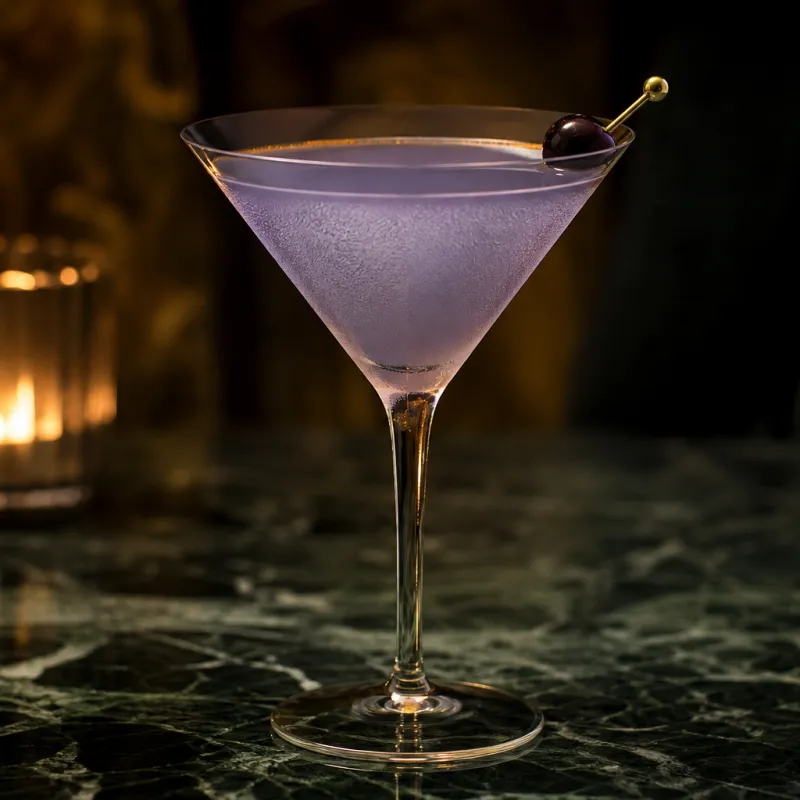
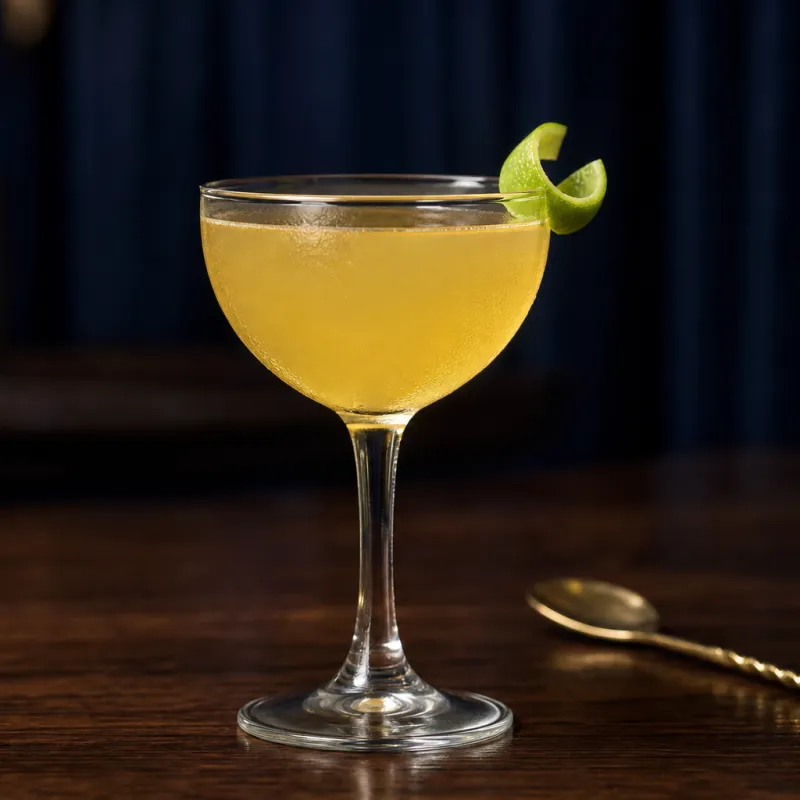
After the mid-century it disappeared from most bar menus. Its revival began in the early 2000s at the Zig Zag Café in Seattle, where bartender Murray Stenson put it back into service; from there it spread through the craft cocktail movement and inspired a whole family of equal-parts riffs such as the Final Ward and the Naked and Famous.
Today it sits on the IBA list of unforgettables, a remarkable comeback for a drink that was all but forgotten.
Bartender tips
Measure precisely: with four equal parts, a few millilitres too much of any one throws the balance off.
A juniper-forward London dry gin stands up best to the Chartreuse.
Only freshly squeezed lime works; bottled juice makes the drink flat and sweet.
Variations
Final Ward
Rye whiskey and lemon juice replace gin and lime, created by Phil Ward in New York.