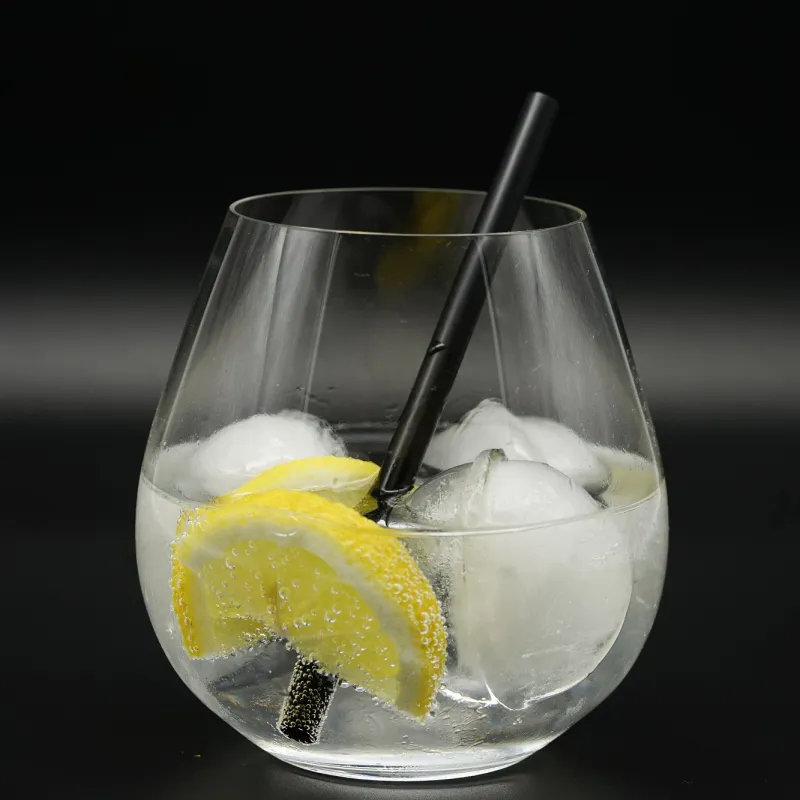
A great alcohol-free drink is not a cocktail with the spirit left out. Remove 50 ml of gin from a Tom Collins and you are left with sweet lemonade that tastes thin and flat. Alcohol does several jobs in a drink: it carries aroma, adds a little bitterness and warmth, and gives body. A good mocktail replaces those jobs on purpose. This guide explains how.
What alcohol brings, and how to replace it
| What alcohol does | Alcohol-free replacements |
|---|---|
| Body and weight on the tongue | Rich syrup, honey syrup, fruit purée, coconut cream, a little egg white or aquafaba for foam |
| Bitterness and dryness | Tonic, bitter sodas, strong tea, grapefruit, non-alcoholic bitter aperitifs |
| Heat and bite | Fresh ginger, ginger beer, black pepper, chilli, a spicy syrup |
| Aroma and complexity | Citrus peel, fresh herbs, spices, tea, non-alcoholic spirits |
Balance still rules
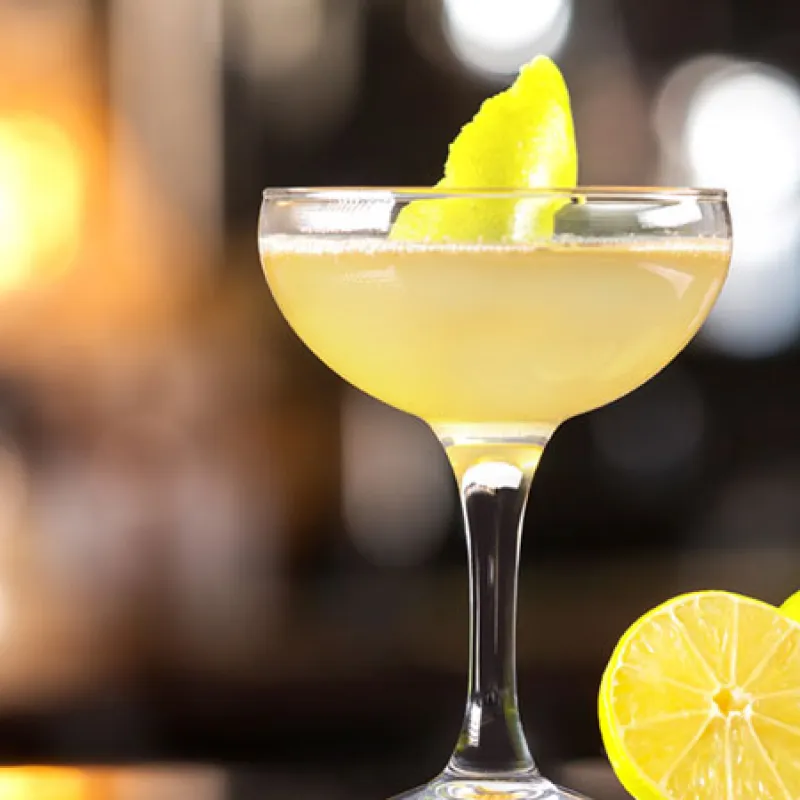
The same principle that makes a Daiquiri work applies here: sweet and sour in balance, with something to add length or depth. Without alcohol, sweetness is more noticeable, so most mocktails need less syrup than you might expect. A good starting point for a sour-style drink is roughly 30 ml citrus juice to 20 ml syrup, lengthened with 100 to 150 ml of soda water, tonic or juice. Always taste and adjust.
Building blocks worth having
- Fresh citrus: lime, lemon, grapefruit and orange, always freshly squeezed.
- Syrups: simple syrup, honey syrup, ginger syrup and a homemade grenadine cover a lot of ground. Infused syrups with rosemary, thyme, cinnamon or vanilla add complexity.
- Tea: cold-brewed black tea, green tea, rooibos or hibiscus adds tannin and structure, much like a spirit or vermouth would.
- Shrubs: drinking vinegars made from fruit, sugar and vinegar. A small amount gives acidity and a savoury depth.
- Verjus: the juice of unripe grapes, tart and wine-like, useful where a drink needs a wine character.
- Non-alcoholic spirits and aperitifs: a growing category with gin-style, bitter and aperitif-style products. Quality varies a lot, so taste before building a drink around one.
- Good mixers: tonic, ginger beer, bitter lemon and soda water. See our guide to mixers.
Techniques that make the difference
- Shake drinks with citrus. Shaking aerates and chills, giving a lively texture that stirring cannot.
- Muddle herbs gently. Mint and basil release aroma when pressed lightly. Crushed leaves taste bitter.
- Use a salt solution. A few drops of salt water (one part salt dissolved in about four parts water) sharpen fruit flavours and reduce the impression of sweetness.
- Express citrus peel. Twisting a strip of lemon or orange peel over the glass adds aroma that makes the drink feel finished.
- Serve cold. Chill glasses and ingredients. Without alcohol, dilution makes drinks taste weak quickly, so use large, cold ice cubes.
Classic alcohol-free drinks to start with
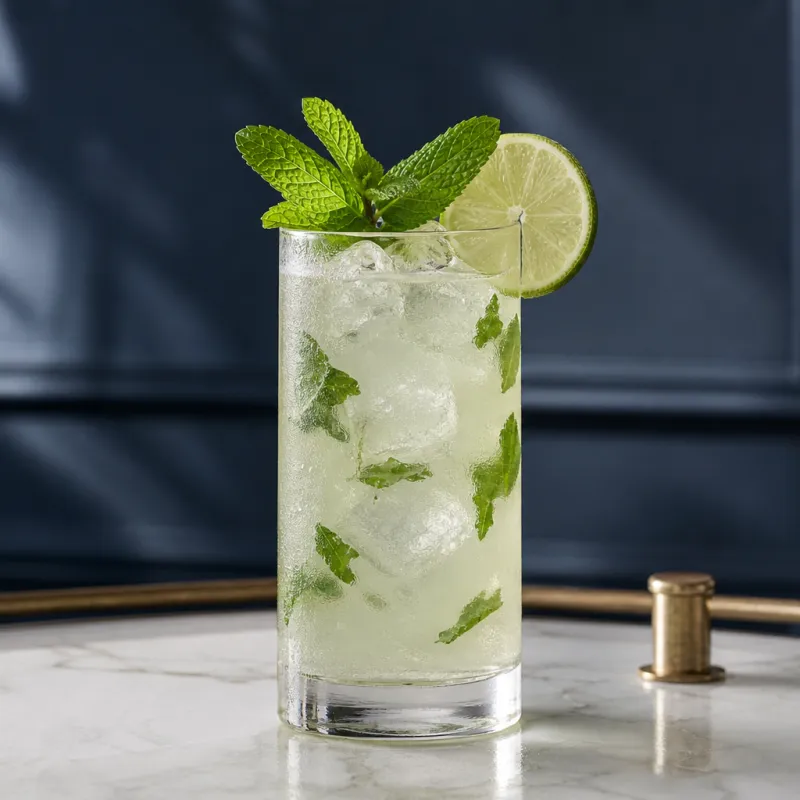
- Virgin Mojito: mint, lime, sugar and soda water. Muddle the mint gently and use plenty of crushed ice.
- Shirley Temple: ginger ale or lemon-lime soda with grenadine and a cherry. Made with real pomegranate grenadine, it is far less sugary.
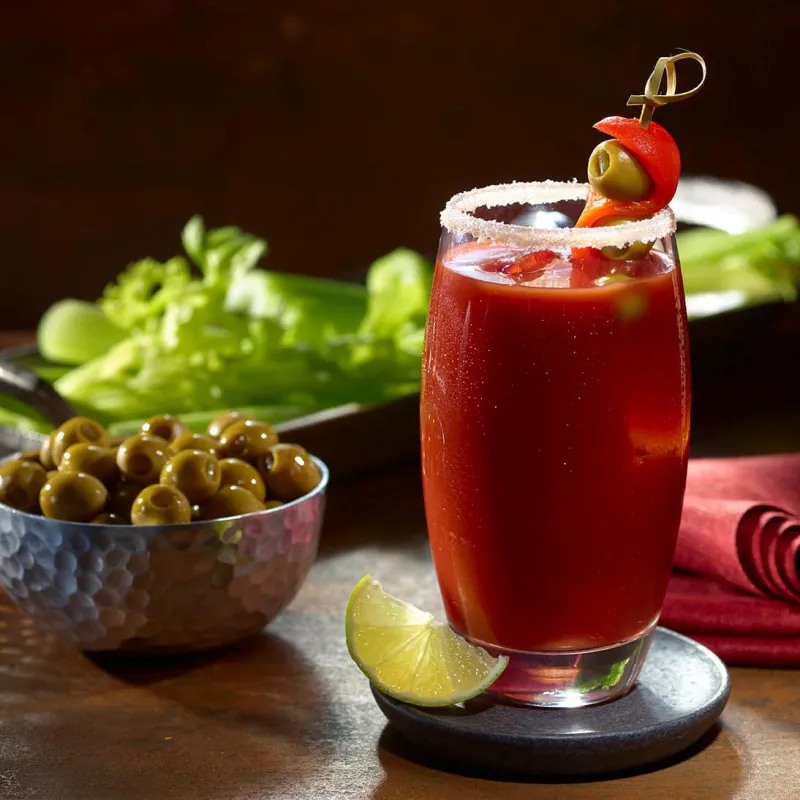
- Virgin Mary: the Bloody Mary without vodka. Tomato juice, lemon, Worcestershire sauce, hot sauce, salt and pepper already give it plenty of body and spice.
- Virgin Piña Colada: pineapple juice and coconut cream blended with ice.
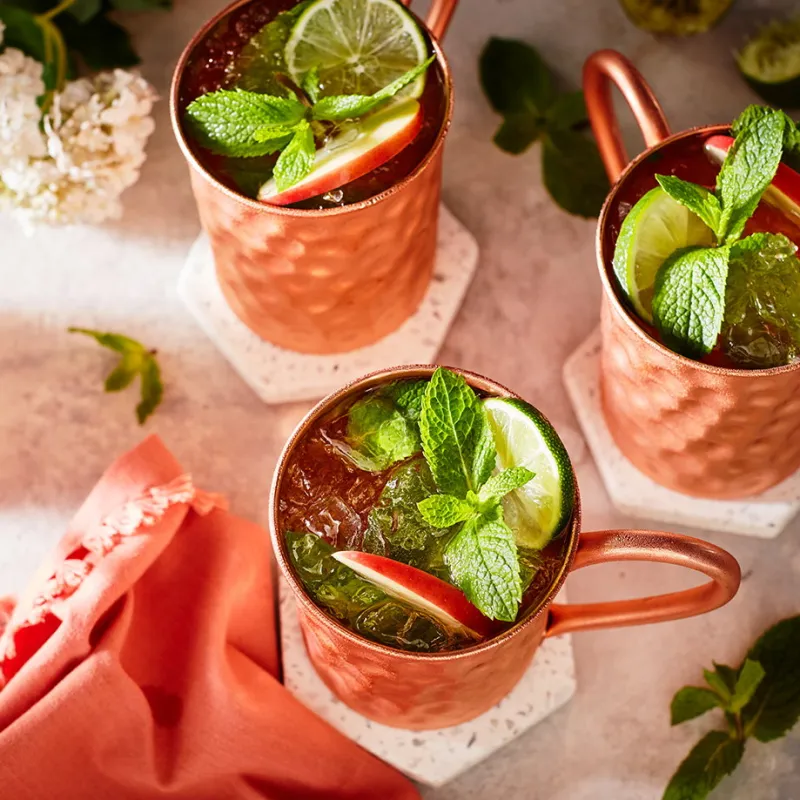
- Ginger and lime highball: fresh lime and a good ginger beer over ice, essentially a Moscow Mule without vodka.
Adapting a cocktail recipe
To turn a cocktail into a mocktail, do not simply delete the spirit. Replace its volume and its function:
- Identify what the spirit contributed: bitterness in a Negroni, spice in a Whiskey Sour, botanicals in a Gin and Tonic.
- Choose a replacement that does the same job, for example strong tea for structure, a bitter soda for a Negroni-style drink, or a non-alcoholic gin alternative.
- Reduce the sugar slightly, since there is no alcohol to balance it.
- Taste, adjust by 5 ml at a time, and write down what works.
Common mistakes
- Too much juice, too little structure. A glass of mixed fruit juice is breakfast, not a drink. Add acidity, bitterness or spice.
- Too sweet. Ready-made syrups and sodas add up quickly. Measure the syrup and choose drier mixers.
- Warm ingredients. A lukewarm mocktail with half-melted ice tastes flat within minutes.
- No garnish. A sprig of mint, a citrus twist or a few berries add aroma as well as looks, and aroma matters even more without alcohol.
Hosting
Treat alcohol-free drinks with the same care as the rest of the menu: the same glassware, garnish and attention. Guests who are not drinking for any reason appreciate a drink that feels like a proper choice rather than an afterthought. Pre-batch a mocktail base of juice and syrup in the fridge and top it with soda to order, so it stays fresh and fizzy. A jug of lightly sweetened cold-brewed tea with citrus and herbs is another easy option that guests can pour themselves, and it keeps well in the fridge for the whole evening.
Browse all our mocktails for recipes, and look up syrups, juices and mixers in the ingredients section.