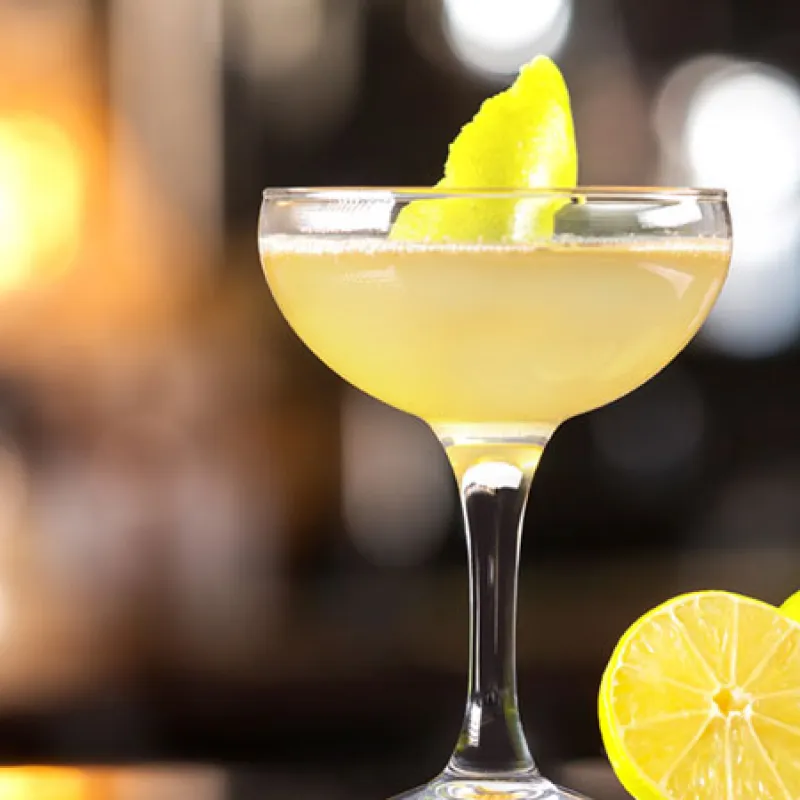
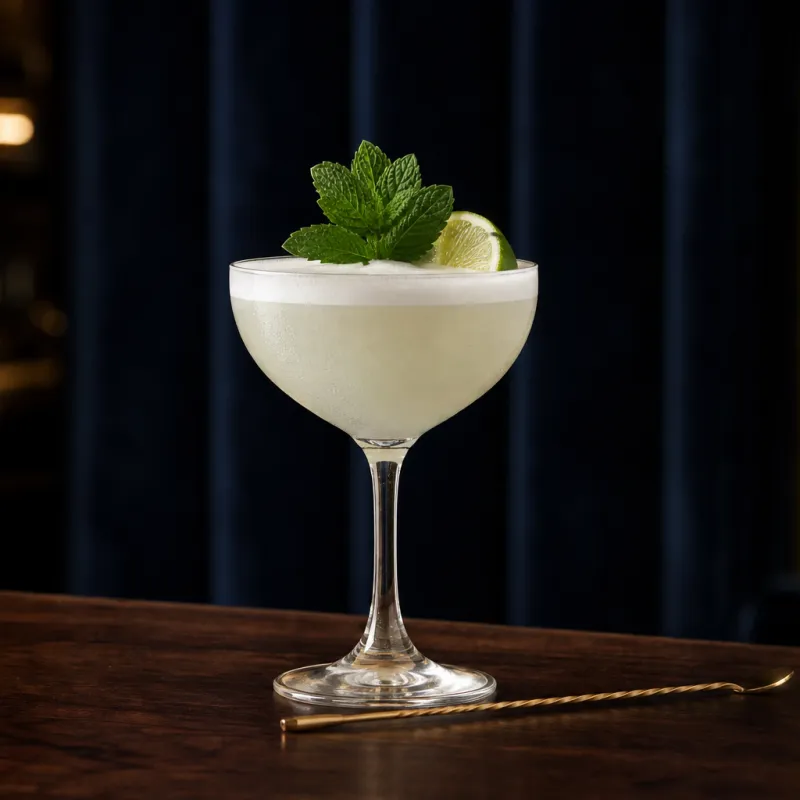
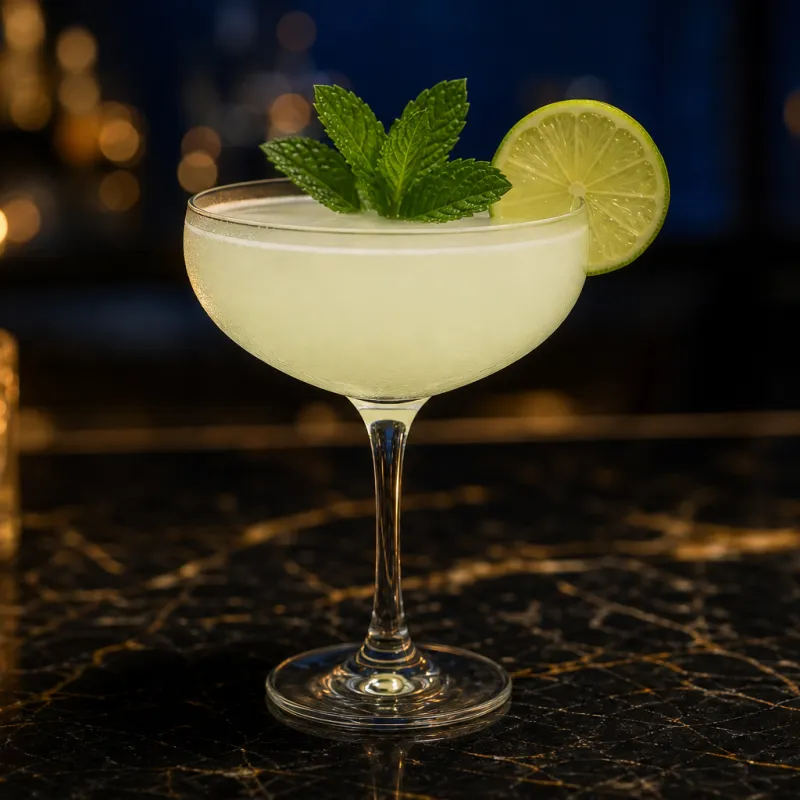
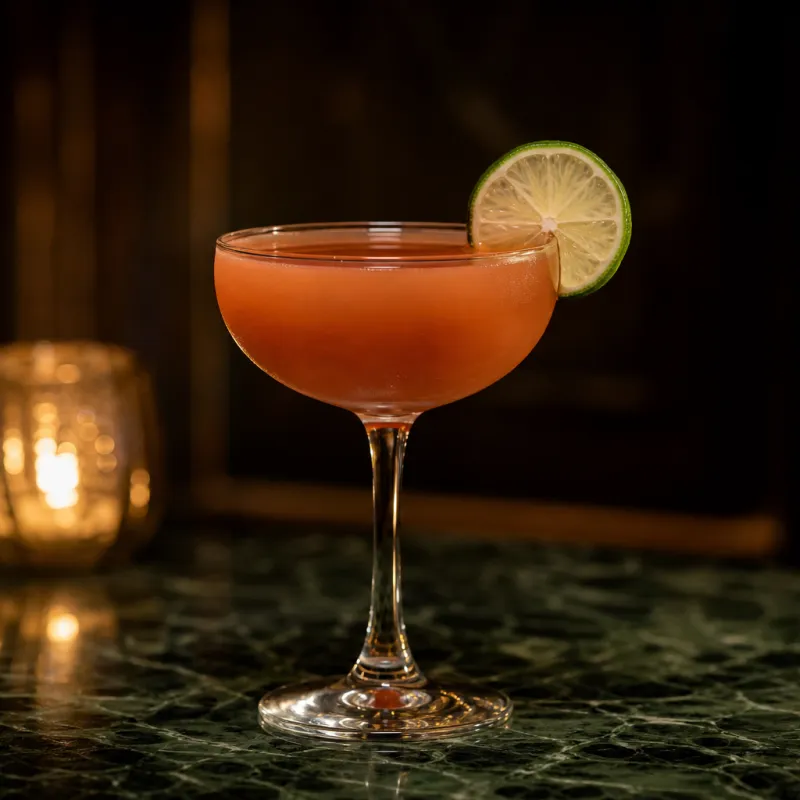
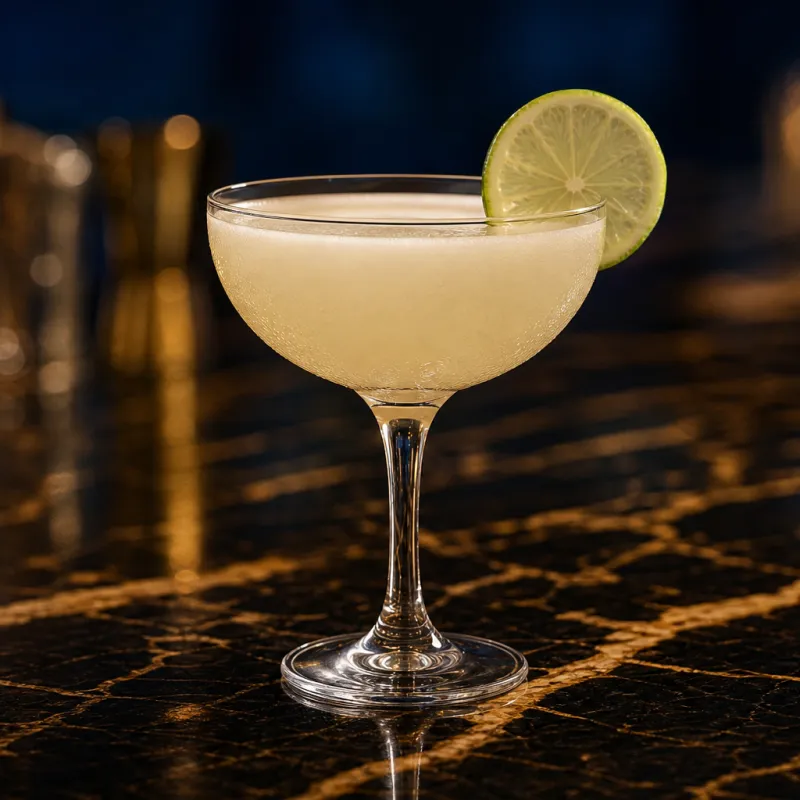
Three ingredients, nowhere to hide. Shaken until the tin frosts and poured into a chilled coupe, a proper Daiquiri is tart, silky and bone dry at the edges, nothing like the slushy versions from cocktail menus.
4.8Editors’ rating
Taste4.8
Balance4.8
Easy to make4.6
Popularity92
Reader rating: No reader ratings yet. Be the first.
Fill with ice and shake hard for 12 to 15 seconds.
Discard the ice water and double strain into the coupe.
Garnish with a thin lime wheel.
Link copied
Watch it made
Daiquiri
Taste
Sharp lime and clean sugarcane rum in balance, with a cold, slightly frothy texture. Dry, refreshing and stronger than it tastes.
History and origin
The Daiquiri takes its name from Daiquirí, a beach and iron mining area near Santiago de Cuba. The most widely told story credits American mining engineers working there around 1900, with Jennings Cox usually named as the man who first mixed local rum with lime and sugar. Rum, lime and sugar had of course been drunk together in the Caribbean long before, so the story is more about naming than invention.
In Havana the drink was refined and made famous at El Floridita, where Constantino Ribalaigua served many Daiquiri variations, including frozen versions. Ernest Hemingway was a regular there, and a sugarless, grapefruit and maraschino version is linked to him. The simple shaken Daiquiri is listed by the IBA among its Unforgettables.
Bartender tips
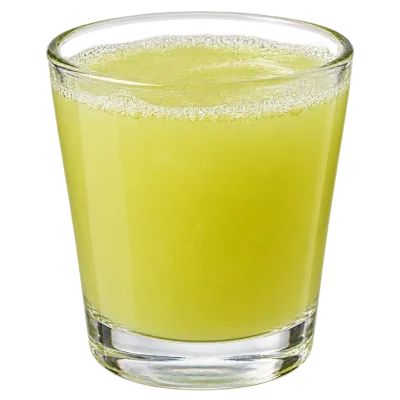
Squeeze the lime just before mixing; juice older than a few hours loses its brightness.
Balance depends on your limes: add a few drops more syrup if they are very sour, less if they are mild.
Try a 2:1 demerara syrup for a rounder, slightly caramel style.
Variations
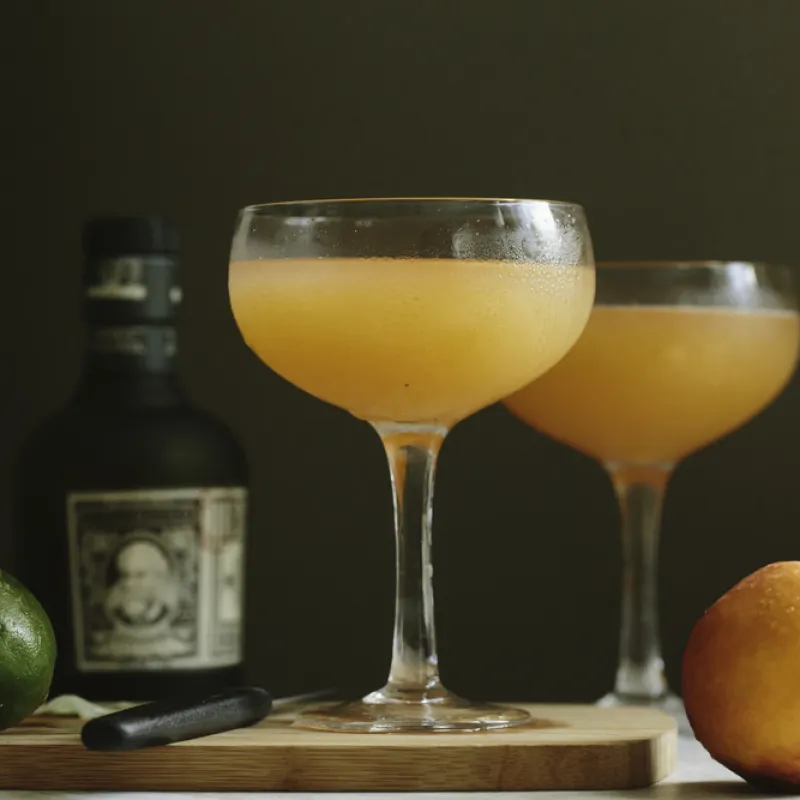
Hemingway Daiquiri
Rum, lime, grapefruit juice and maraschino liqueur, with little or no sugar.
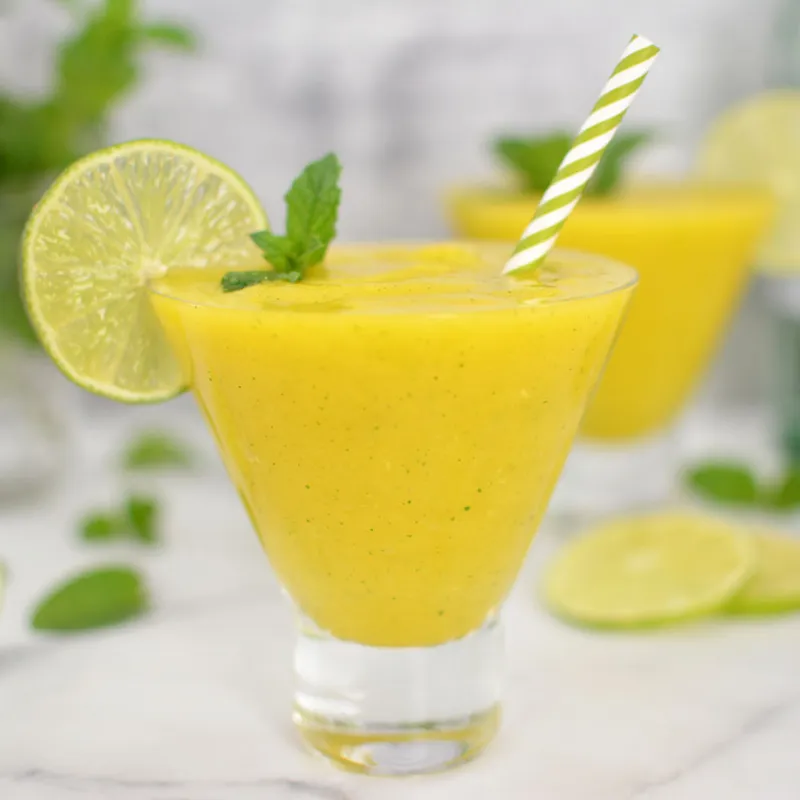
Frozen Daiquiri
Blend the same ingredients with a cup of crushed ice until smooth and serve with a short straw.