Almost every cocktail is built on one base spirit, the ingredient that gives the drink its backbone and most of its alcohol. Knowing what each spirit tastes like, how it is made and which styles exist helps you choose bottles, swap ingredients sensibly and understand why a recipe works. This guide covers the spirits that appear most often in our recipes.
Gin
Gin is a neutral spirit flavoured with botanicals, and juniper must be the dominant flavour. Other common botanicals are coriander seed, angelica root, citrus peel and orris root. The main styles:
- London Dry: a production style, not a place of origin. Botanicals are added during distillation, and afterwards only water and a tiny amount of sugar may be added, so it is dry and juniper-led. The default for most classic recipes.
- Old Tom: a slightly sweeter, rounder style popular in the 19th century and useful for the Tom Collins or the Martinez.
- Genever: the Dutch and Belgian ancestor of gin, made with a malty base and tasting closer to a light whisky.
- Contemporary gins: juniper is still present, but floral, citrus or herbal notes take centre stage.
Gin is the base of the Martini, the Negroni, the Gin and Tonic, the Gimlet, the Tom Collins and the Bramble.
Vodka
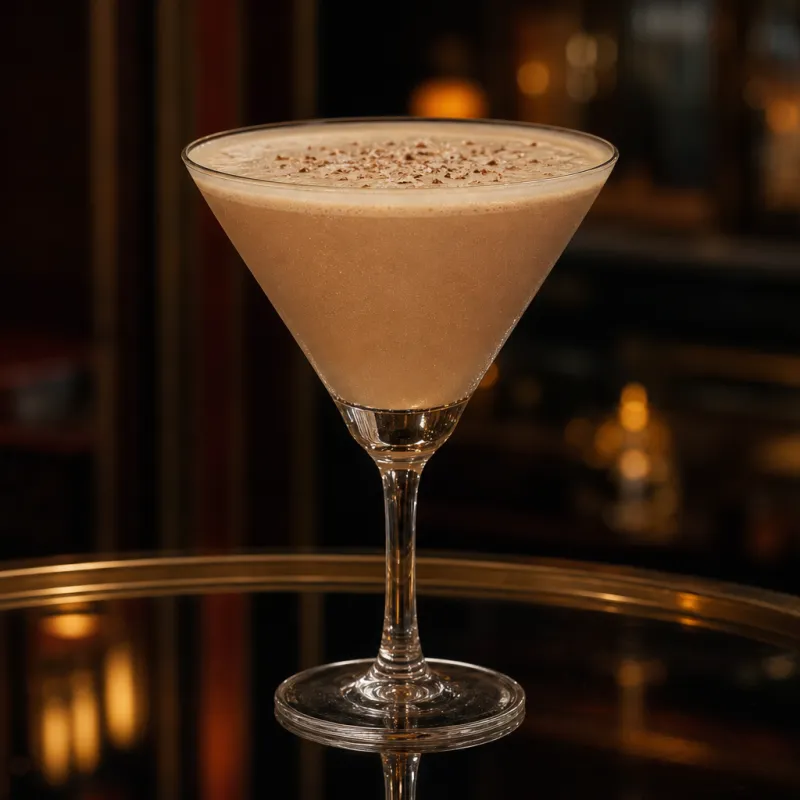
Vodka is distilled to a high strength and usually filtered, which leaves a clean spirit with little flavour of its own. It can be made from grain, potatoes or other agricultural raw materials, and good vodkas still show subtle differences in texture: grain vodkas often feel crisp, potato vodkas rounder. In cocktails vodka adds alcohol without competing with other flavours, which is why it works in fruit-forward and savoury drinks alike. Classic uses include the Moscow Mule, the Bloody Mary, the Cosmopolitan, the Espresso Martini and the White Russian.
Rum
Rum is distilled from sugar cane products, mostly molasses, and is made across the Caribbean, Latin America and beyond. Colour tells you little about taste, so it is more useful to think in styles:
- Light, column-distilled rum: dry and clean, typical of the Spanish-speaking Caribbean. Ideal for the Daiquiri, the Mojito and the Cuba Libre.
- Heavier, pot-still rum: fuller and often funky, typical of Jamaica. Adds depth to tiki drinks such as the Mai Tai.
- Rhum agricole: made from fresh sugar cane juice, mainly in the French Caribbean. Grassy and vegetal, the base of Ti' Punch.
- Aged and dark rums: aged in wood, sometimes with added colour or sugar depending on the producer. Used in the Dark 'n' Stormy, the Planter's Punch and many tiki drinks.
Cachaça
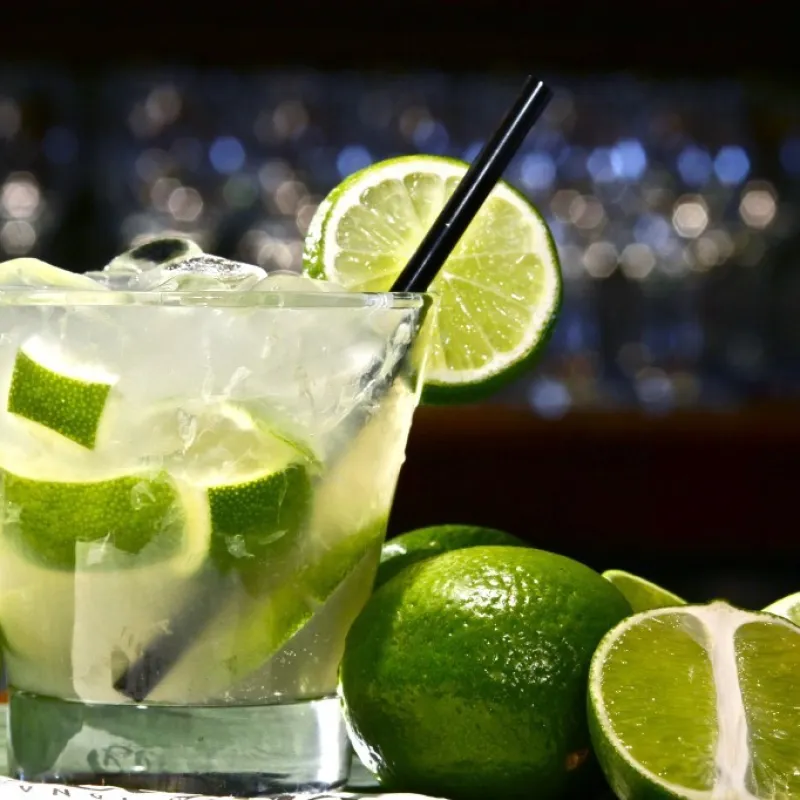
Brazil's national spirit is also made from fresh sugar cane juice, which gives it a green, fruity and slightly earthy character. Unaged cachaça is the classic choice for the Caipirinha. Aged versions matured in native Brazilian woods are becoming easier to find and are good for sipping.
Tequila and mezcal
Tequila is made from blue agave in designated regions of Mexico, mainly the state of Jalisco. Look for bottles labelled "100% agave". Cheaper "mixto" tequila only needs to contain a minimum share of agave sugars, with the rest coming from other sugars, and the difference in taste is obvious. Styles by age:
- Blanco: unaged or rested very briefly. Peppery and vegetal, the best choice for the Margarita, the Paloma and the Tommy's Margarita.
- Reposado: rested in oak for some months. Softer, with light vanilla and spice.
- Añejo: aged longer, closer to a brown spirit and mainly for sipping or stirred drinks.
Mezcal is the wider category of agave spirits. Traditional mezcal is made by cooking the agave in earth pits, which gives the typical smoky flavour. A small amount of mezcal adds smoke to a Margarita or a Negroni, and it shares the stage with reposado tequila in the Oaxaca Old Fashioned.
Whisky and whiskey
Whisky is distilled from fermented grain and aged in wood. Scotland and Japan generally write "whisky", Ireland and the United States usually "whiskey". The styles behave very differently in cocktails:
- Bourbon: American whiskey made mainly from corn and aged in new, charred oak containers. Sweet notes of vanilla and caramel. The classic choice for the Old Fashioned, the Whiskey Sour, the Mint Julep and the Boulevardier.
- Rye whiskey: made with a large share of rye, drier and spicier than bourbon. Traditional for the Manhattan and the Sazerac.
- Scotch whisky: blended Scotch is versatile and mild. Single malts from coastal regions such as Islay can be heavily peated and smoky. The Rob Roy, the Rusty Nail, the Blood and Sand and the Penicillin are Scotch drinks.
- Irish whiskey: usually smooth and fruity, the base of the Irish Coffee.
- Japanese whisky: often elegant and light, popular in highballs with soda.
Brandy, cognac and pisco
Brandy is distilled from fermented fruit, usually grapes. Cognac and Armagnac are the famous French brandies with protected regions. Cognac is labelled by minimum age, with VS as the youngest common grade and VSOP and XO as older ones. A VS or VSOP is the right choice for cocktails like the Sidecar, the Vieux Carré or the Brandy Alexander.
Pisco is an unaged grape brandy from Peru and Chile, floral and fruity. It is the base of the Pisco Sour. Apple brandies such as Calvados from Normandy or American applejack are used in the Jack Rose.
Absinthe
Absinthe is a high-proof spirit flavoured with wormwood, anise and fennel. It is rarely used as a base, but a small rinse or a few drops changes a drink completely, as in the Sazerac or the Corpse Reviver No. 2.
Swapping one spirit for another
Many classic drinks are templates, and changing the base spirit often produces another well-known recipe. A Daiquiri made with gin instead of rum is close to a Gimlet in spirit, a Whiskey Sour made with pisco becomes a Pisco Sour, and a Negroni with bourbon instead of gin is a Boulevardier. Some swaps work better than others:
- Close relatives swap easily: bourbon and rye, blanco tequila and unaged cachaça in some sour-style drinks, different light rums.
- Clear for clear, aged for aged: an unaged spirit usually replaces another unaged one more gracefully than an aged one does.
- Adjust the sweetness: bourbon and aged rum taste sweeter than rye or gin, so you may want slightly less syrup.
- Be careful with strong flavours: smoky Scotch, mezcal and heavy Jamaican rum can take over a drink. Try replacing only part of the base spirit first.
Trying the same recipe with two different bottles side by side is one of the fastest ways to learn what each spirit brings.
How to choose bottles
- Buy mid-range. For mixing, a solid standard bottle almost always beats the cheapest option, while expensive aged spirits are often better enjoyed neat.
- Match the style to the drink. A light rum for a Daiquiri, a spicy rye for a Manhattan, a juniper-heavy gin for a Martini.
- Check the strength. Spirits bottled at a slightly higher strength hold up better against citrus, sugar and dilution.
- Start small. Two or three spirits you enjoy are enough for dozens of recipes.
Unopened spirits keep for years. Once opened, store them upright, closed and away from heat and sunlight. You can browse drinks by base spirit in our cocktail collection, check what you can mix with the bottles you have in My Bar, and find liqueurs and vermouth in our guide to modifiers and aperitifs.