Before the cocktail: punch, slings and toddies
Long before anyone ordered a cocktail, people were mixing spirits with sugar, water, citrus and spice. The most important ancestor is punch. From the 17th century onward, British sailors and traders brought the habit of mixing arrack or rum with citrus, sugar, water and spice back from Asia, and punch bowls became the centre of social drinking in Britain and its colonies. A popular explanation links the word to the Hindi word for "five", after the number of ingredients, but that etymology is not proven.
Punch taught drinkers the basic grammar that still holds today: something strong, something sour, something sweet and something to lengthen it. Alongside punch there were smaller, single-serve drinks such as the sling (spirit, sugar and water), the toddy (the same, often served hot) and the julep, which in America came to mean spirit, sugar and mint over ice.
The word "cocktail" appears
The word itself surfaces in American newspapers in the early 19th century. The best-known early definition was printed in 1806 in a newspaper from Hudson, New York, The Balance and Columbian Repository, which described a cocktail as a stimulating liquor made of spirits of any kind, sugar, water and bitters. That is still a fair description of an Old Fashioned.
Where the name comes from is a different matter. Many stories circulate, and none is confirmed:
- one tale connects it to cockfights and toasts to the winning bird's tail feathers;
- another points to the horse trade, where a "cocktailed" horse was a mixed breed with a docked tail;
- a New Orleans legend credits the pharmacist Antoine Peychaud, who served brandy with his bitters, supposedly in an egg cup called a coquetier.
The Peychaud story is charming, but the word was already in print before he started mixing. What is certain is that Peychaud's bitters became a key ingredient of the Sazerac, one of the oldest named drinks with a continuous history.
Ice and the first bartender's guide
Two developments turned mixed drinks into a craft. The first was ice. In the early 19th century, merchants in New England began cutting ice from frozen lakes and shipping it south and even overseas. Cheap ice made cold drinks possible for ordinary bars, and cold, diluted drinks tasted very different from the warm punches of the previous century. Juleps, cobblers and smashes were built on crushed ice and became hugely popular in America.
The second was the written recipe. In 1862 the American bartender Jerry Thomas published what is generally considered the first bartender's guide, a book known under titles such as How to Mix Drinks and Bar-Tender's Guide. It collected punches, sours, fizzes, cobblers, flips and a short chapter of "cocktails". For the first time, recipes were written down for professionals rather than passed on by word of mouth.
The golden age
The decades between roughly 1860 and 1920 are often called the golden age of the cocktail. Bartenders in American cities experimented with new European products: vermouth from Italy and France, orange liqueurs, maraschino and aromatic bitters. Vermouth in particular changed everything. Mixed with gin or whiskey it produced a softer, more aromatic style of drink, and from it came the Manhattan, the Martinez and eventually the Martini.
At the same time, older recipes were being ordered "the old-fashioned way", meaning just spirit, sugar, water and bitters, which is how the Old Fashioned got its name. Sours, fizzes and highballs also became standard bar orders, and the Gin Fizz and the Whiskey Sour are both products of this era.
Prohibition and the drinks in exile
In 1920 the United States banned the production and sale of alcohol, and Prohibition lasted until 1933. The effect on cocktails was mixed. Illegal bars (speakeasies) served a lot of poor-quality liquor, and sweet or strongly flavoured mixers helped to hide it. Many skilled American bartenders, however, left for Europe, Cuba and elsewhere.
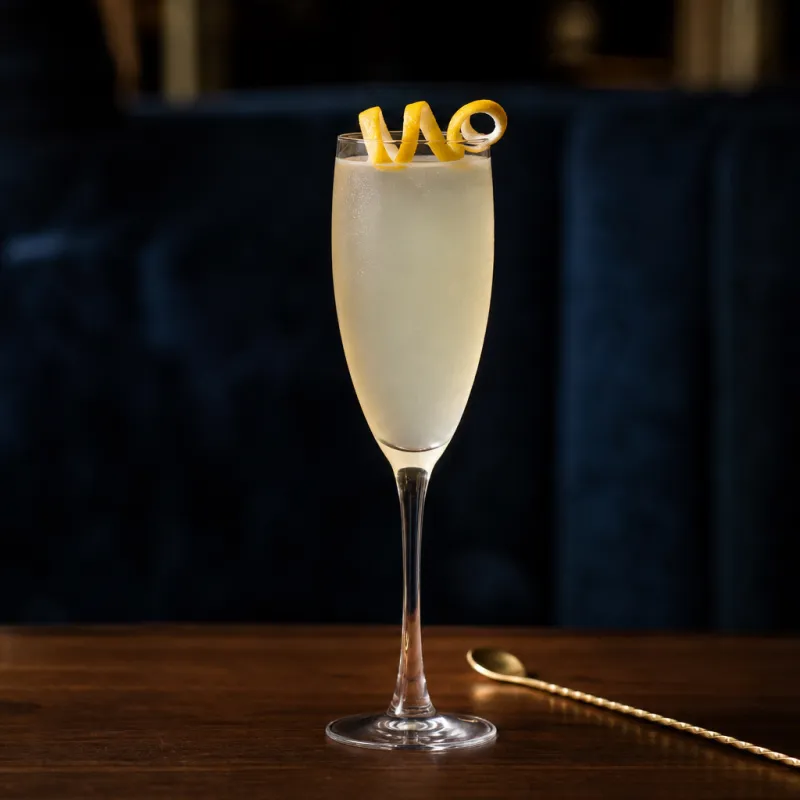
That emigration spread American bar culture abroad. Havana became famous for rum drinks such as the Daiquiri and the Mojito. London's hotel bars flourished: in 1930 Harry Craddock, who had moved from the United States to the Savoy, published The Savoy Cocktail Book, which remains a reference today. Paris had its American-style bars too, and drinks such as the French 75 and the Sidecar are associated with the city in these years.
Tiki, vodka and the postwar decades
After Prohibition ended, a new style appeared in California. In the 1930s Donn Beach (Don the Beachcomber) and later Victor Bergeron (Trader Vic) created the tiki bar: exotic decor, blends of several rums, fresh juices and spiced syrups. The Mai Tai and the Zombie come from this world, and tiki became a craze that lasted into the 1960s.
In the postwar years, vodka rose from almost unknown to a best seller in the United States. Its neutral taste suited simple highballs, and drinks like the Moscow Mule and the Screwdriver helped make it popular. In 1951 bartender associations from several European countries founded the International Bartenders Association in Torquay, England, which later began to publish an official list of cocktails (read more in our guide to IBA cocktails).
The low point and the revival
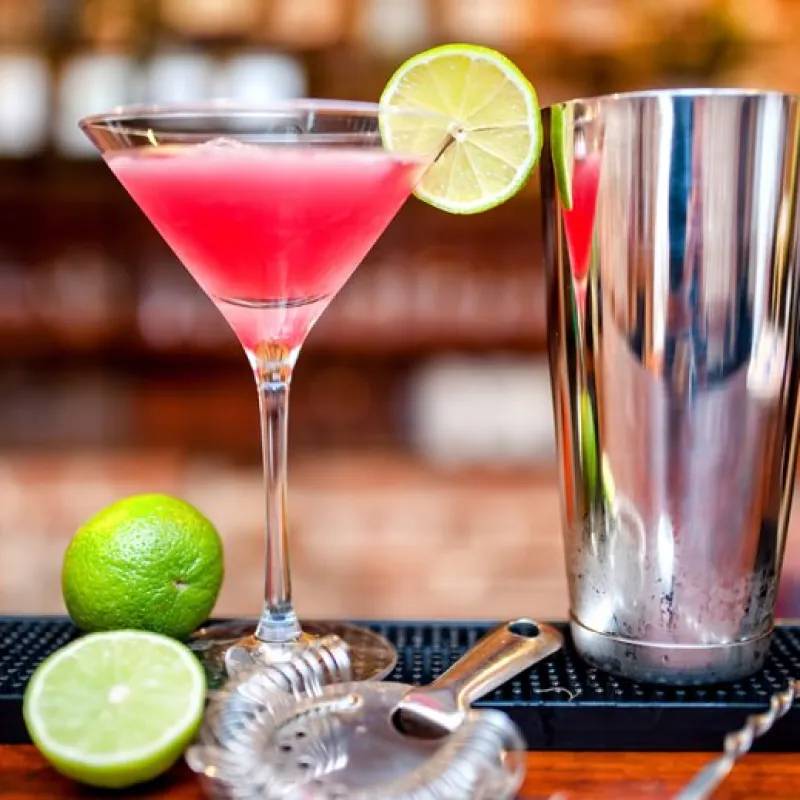
From the 1970s to the 1990s, many bars relied on premixed sour mixes, bottled juices and brightly coloured liqueurs. Some drinks from that period are genuinely good, and the Piña Colada, the Tequila Sunrise and the Cosmopolitan still have loyal fans. But fresh citrus and proper technique had become the exception.
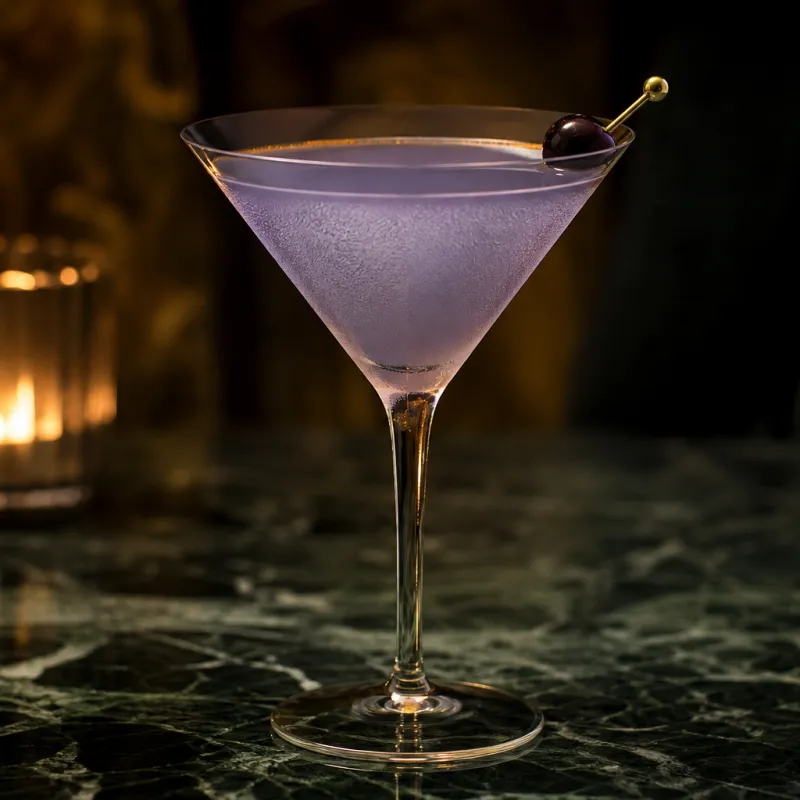
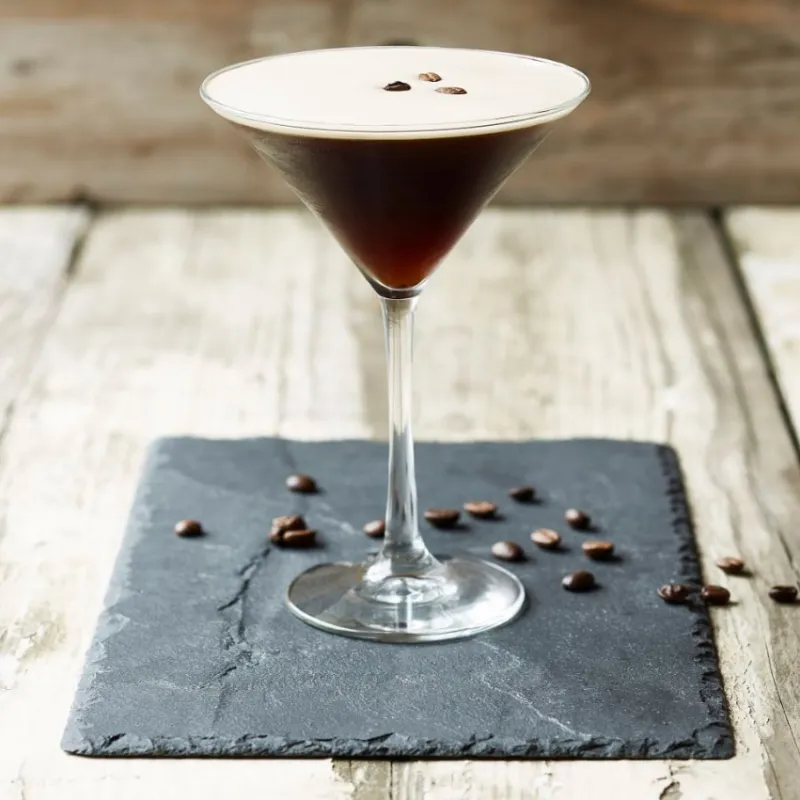
The change started in the late 1980s and 1990s, when a few bartenders in New York and London went back to fresh juice, old recipe books and careful dilution. Around the turn of the millennium this grew into a worldwide movement: small bars with serious ice programmes, reprints of historic bar books, a flood of new gins, amari and bitters, and the return of forgotten recipes such as the Aviation and the Last Word. Newer creations like the Penicillin, the Espresso Martini and the Paper Plane show that the revival also produced its own modern classics.
The families that survived
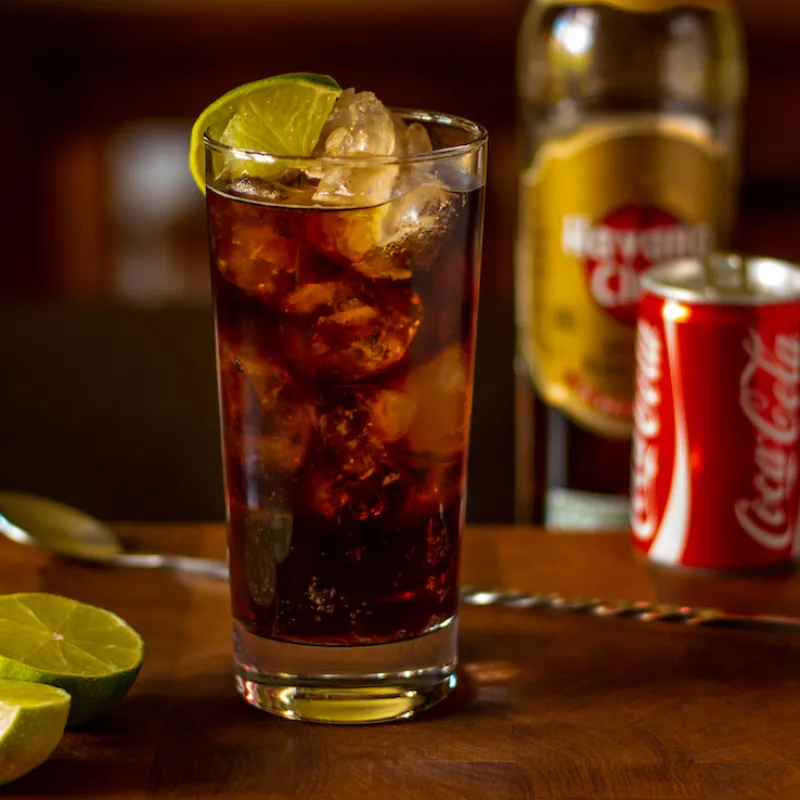
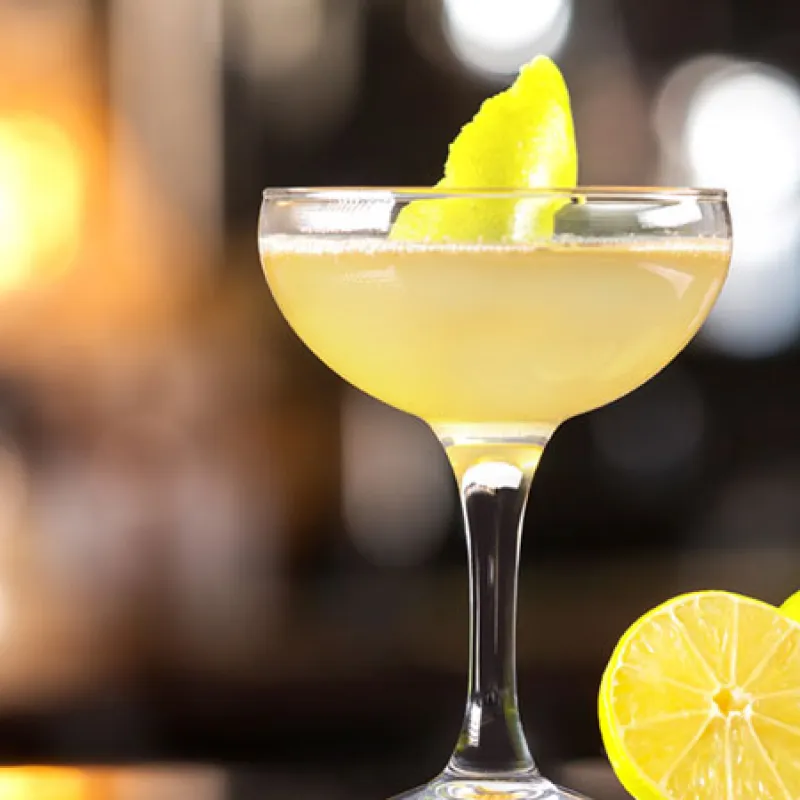
Looking back, most drinks on a modern menu belong to a handful of families that were already established by 1900. The old fashioned family is spirit, sugar and bitters. The sour is spirit, citrus and sugar, and it includes the Daiquiri, the Margarita and the Whiskey Sour. The fizz and the collins are sours lengthened with soda water. The highball is simply spirit and a mixer over ice, from the Gin and Tonic to the Cuba Libre. The vermouth drinks such as the Manhattan and the Martini add wine-based aromatics to a spirit, and the punch survives in big-batch recipes and in tiki.
Knowing these families makes new recipes easier to read. A drink you have never heard of is usually a familiar template with a different spirit, sweetener or modifier.
Where we are now
Today the cocktail is both old and new. Many bars follow techniques that Jerry Thomas would recognise, while others use clarification, fermentation or low-alcohol and alcohol-free recipes. At home, good ingredients and simple tools are easier to get than ever. The best way to understand the history is to taste it: mix an Old Fashioned, then a Manhattan, then a Daiquiri, and you have covered a century of bar craft in three glasses. You will find all of them in our cocktail collection, and if you prefer to skip the alcohol, our mocktails follow the same principles.