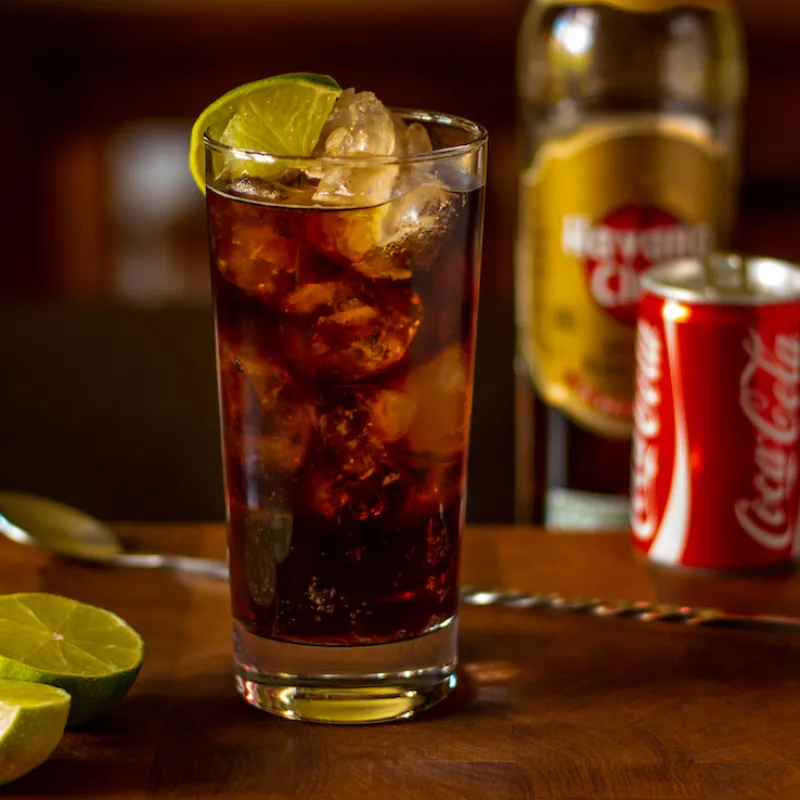
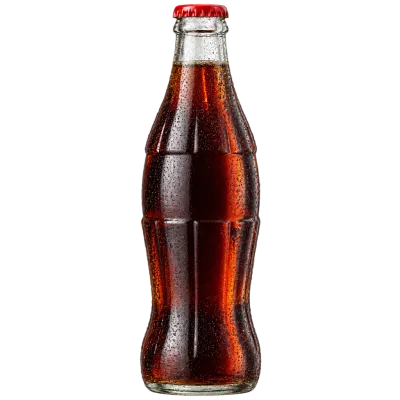
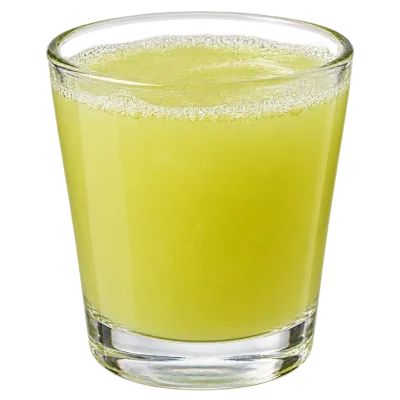
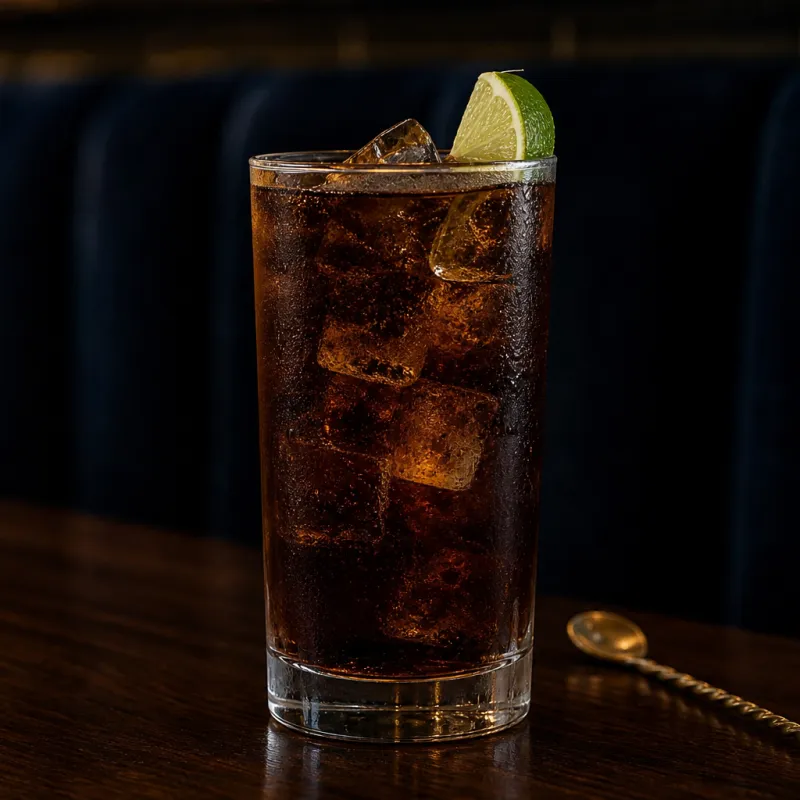
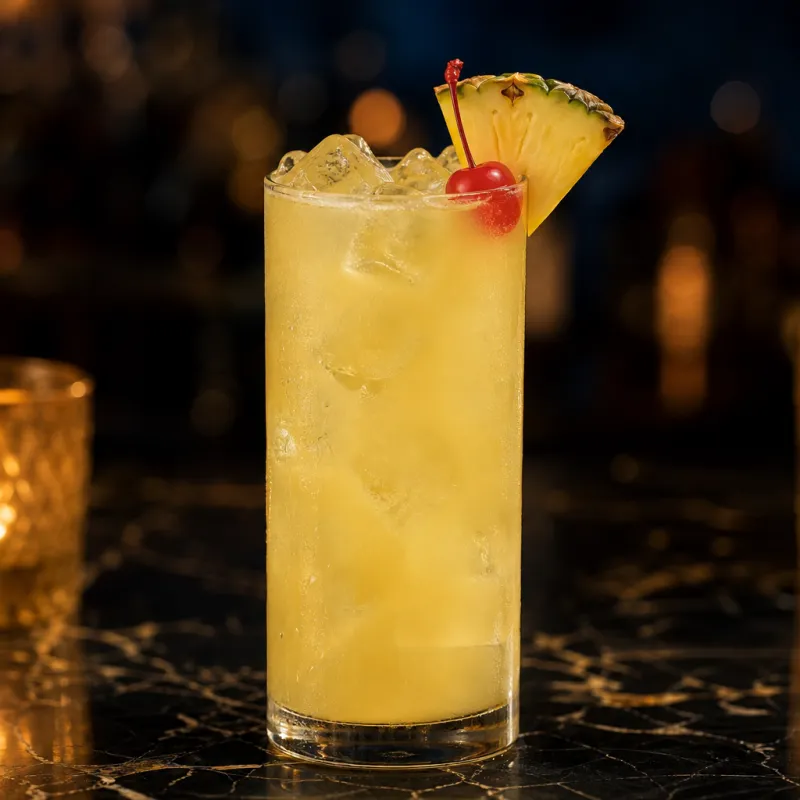
Ice cold cola, clean white rum and a sharp squeeze of lime that cuts through the sweetness. The lime is not decoration here: it is the difference between a Rum and Coke and a real Cuba Libre.
3.9Editors’ rating
Taste3.9
Balance3.8
Easy to make5
Popularity90
Reader rating: No reader ratings yet. Be the first.
Sweet and fizzy with caramel and vanilla from the cola, a clean rum backbone and a bright lime finish. Light to medium strength.
History and origin
The Cuba Libre is usually dated to around 1900 in Havana, shortly after the Spanish-American War, when Cuba had won independence from Spain and American soldiers and cola had arrived on the island. Cuba libre, free Cuba, had been the rallying cry of the independence movement, and the popular story says that soldiers toasted with it over rum and cola.
Much of that story rests on a later account used in a Bacardí advertisement, so the details should be taken with caution. What is certain is that the drink spread widely and became one of the most ordered highballs in the world. The IBA lists it among the contemporary classics, with fresh lime juice as part of the recipe.
Bartender tips
Use cold cola from a freshly opened bottle so it stays lively.
Squeeze the lime and drop the spent shell into the glass for more zest aroma.
A lightly aged Cuban-style rum adds depth without overpowering the cola.
Variations
Rum and Coke
The same drink without lime juice.
Cuba Pintada
A Cuban serve with more rum and just a splash of cola to color it.
Frequently asked questions
What is the difference between a Cuba Libre and a Rum and Coke?
The fresh lime. Without it, the drink is simply a Rum and Coke.
Which rum should I use?
A light Cuban-style white rum is traditional. Aged rum makes a richer version.
What does Cuba Libre mean?
Free Cuba, the rallying cry of the Cuban independence movement.
The perfect sound
Cuban son and rum calypso
Sunny Havana streets with a glass full of rum and cola.