On many recipe pages you will see a label saying that a drink is an IBA official cocktail. This guide explains what the International Bartenders Association is, what its list means and how to use it.
The International Bartenders Association
The International Bartenders Association (IBA) is an umbrella organisation for national bartender associations. It was founded in 1951 in Torquay, England, by associations from several European countries, and has since grown to include members from many countries around the world. In Germany, for example, the national member is the Deutsche Barkeeper-Union. The IBA promotes bartending as a profession, runs training and organises international competitions, most notably the World Cocktail Championships.
What the official cocktail list is
The IBA maintains a list of official cocktails with standard recipes. The purpose is practical: bartenders in competitions and in bar schools around the world should mean the same thing when they say "Negroni" or "Mojito". For each drink the list gives the ingredients with quantities, the method and the garnish.
The list is currently divided into three categories:
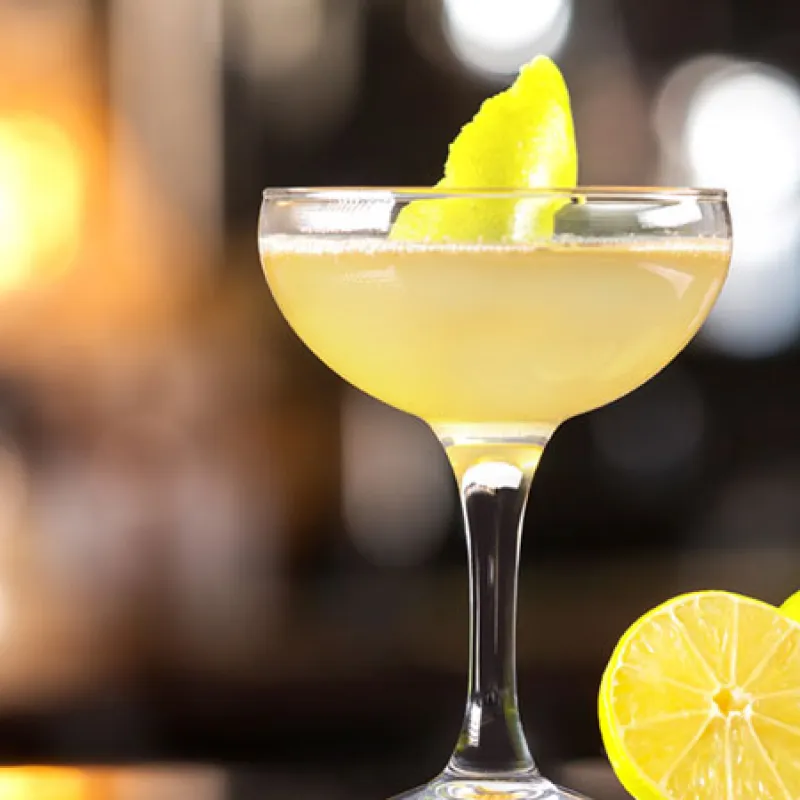
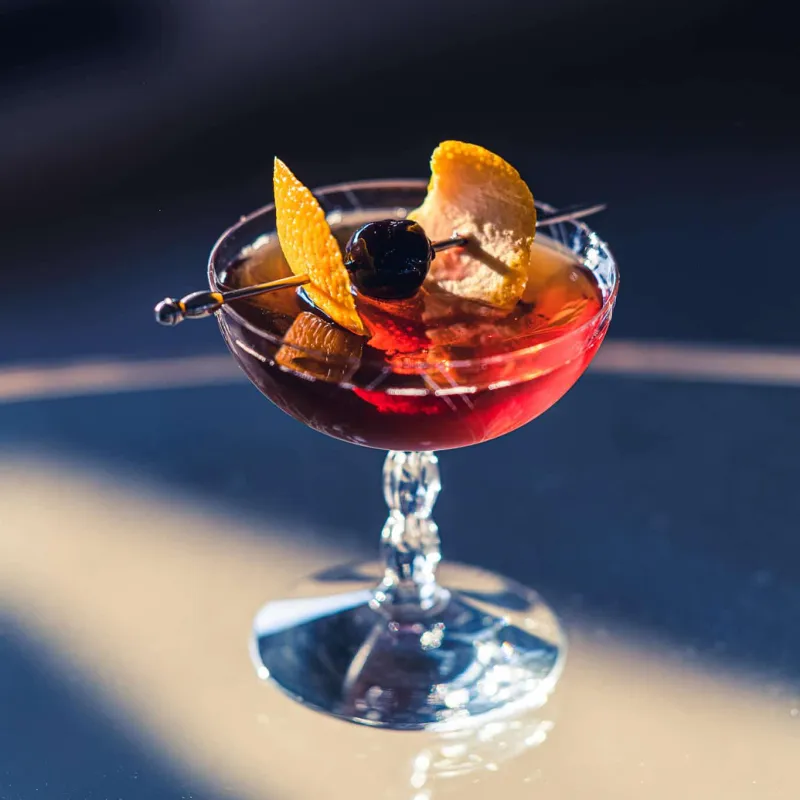
- The Unforgettables: historic classics such as the Negroni, the Manhattan, the Old Fashioned and the Daiquiri.
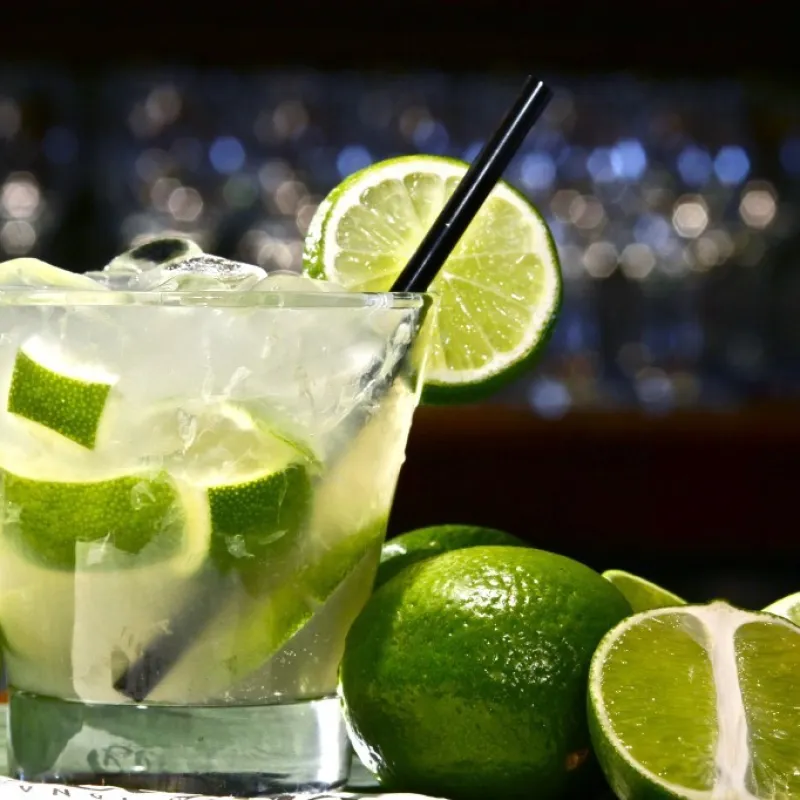
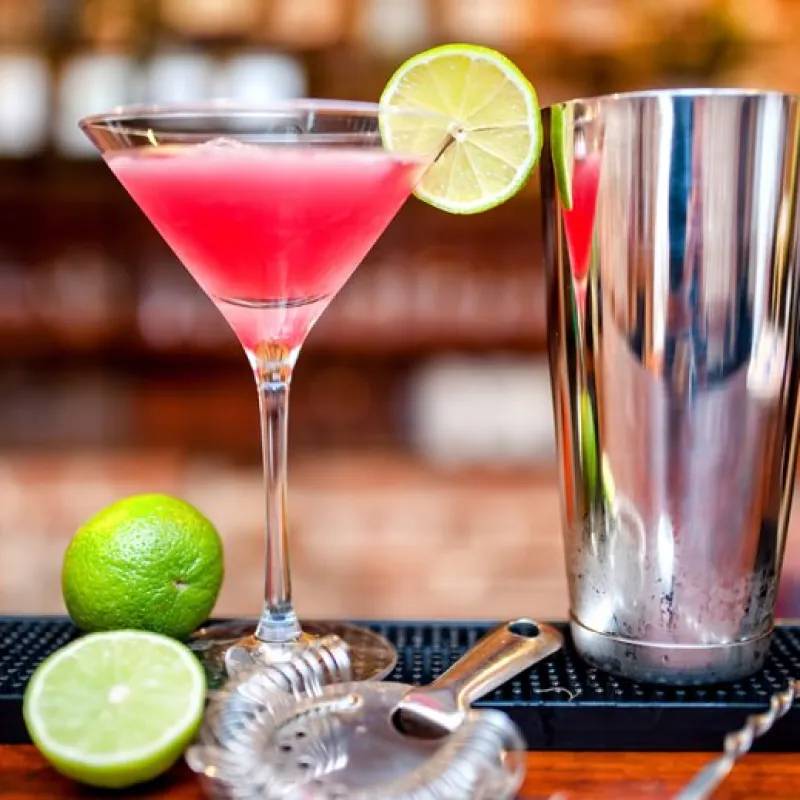
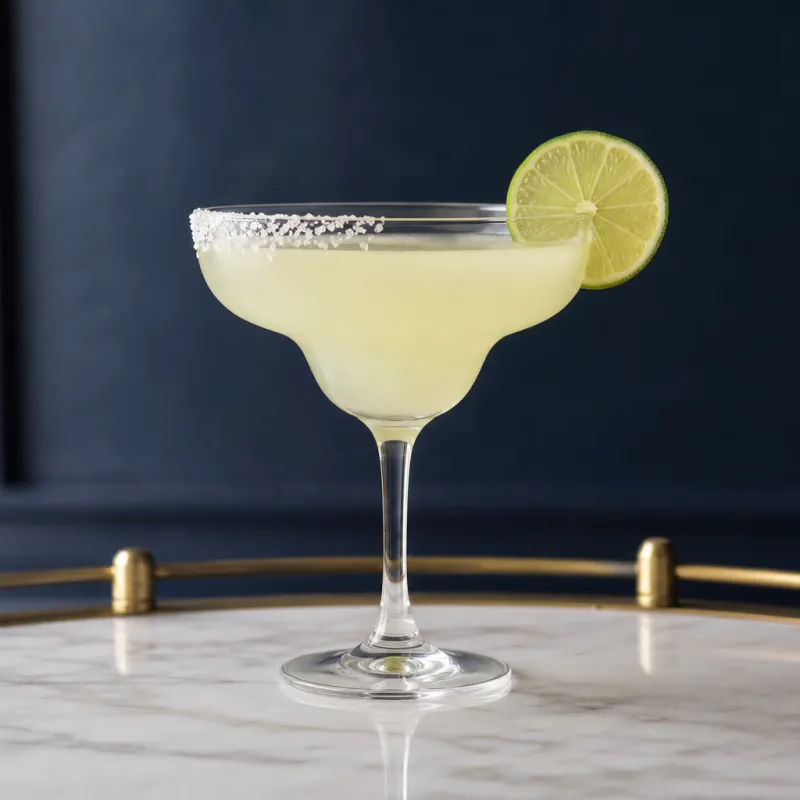
- Contemporary Classics: widely known drinks of the 20th century such as the Margarita, the Mojito, the Caipirinha, the Piña Colada and the Cosmopolitan.
- New Era Drinks: newer creations that have spread internationally, for example the Penicillin, the Paper Plane and the Tommy's Margarita.
The IBA revises the list from time to time, adding some drinks, removing others and updating specifications. A drink that was on the list twenty years ago may no longer be there, and some recipes have changed between versions.
How to read an IBA recipe
IBA specifications use metric measurements, which makes them easy to follow with a metric jigger. They are written for a single drink and assume standard bar practice: fresh citrus, simple syrup unless stated otherwise, and good ice. The garnish is part of the spec, but at home you can treat it as a suggestion. If a drink tastes too sweet or too sour with your ingredients, adjust by 5 ml at a time, just as a bartender would.
What the list is not
- Not the only correct recipe. Many excellent bars make their Daiquiri or Martini differently. The IBA spec is a reference, not a law.
- Not a ranking. A drink on the list is not better than one that is missing. Many great classics, and many regional favourites, are not included.
- Not a historical source. The list standardises drinks as they are made today. For the origin of a drink, look at its history rather than at its IBA spec.
How we use it on CocktailLexicon
For drinks on the IBA list, our recipes follow the official specification or stay very close to it. Where common bar practice differs, for example in the amount of sugar or the choice of glass, we mention it in the tips or variations. Quantities are given in millilitres, and you can switch to ounces on every recipe.
You can find all official drinks in our IBA cocktails section. It is a good path for learning: work through the Unforgettables and you will know most of the techniques and flavour families that modern cocktails are built on.
Why it is useful at home
If you are new to cocktails, the IBA list is a well chosen starting point. It covers every major spirit, every major technique and a wide range of styles, from bitter aperitifs to creamy after-dinner drinks. It also makes ordering easier: in a bar anywhere in the world, a bartender who trained with IBA standards will make a Negroni or a Margarita in a way you will recognise.
For more background on how these drinks developed, read our short history of the cocktail on the guides page.