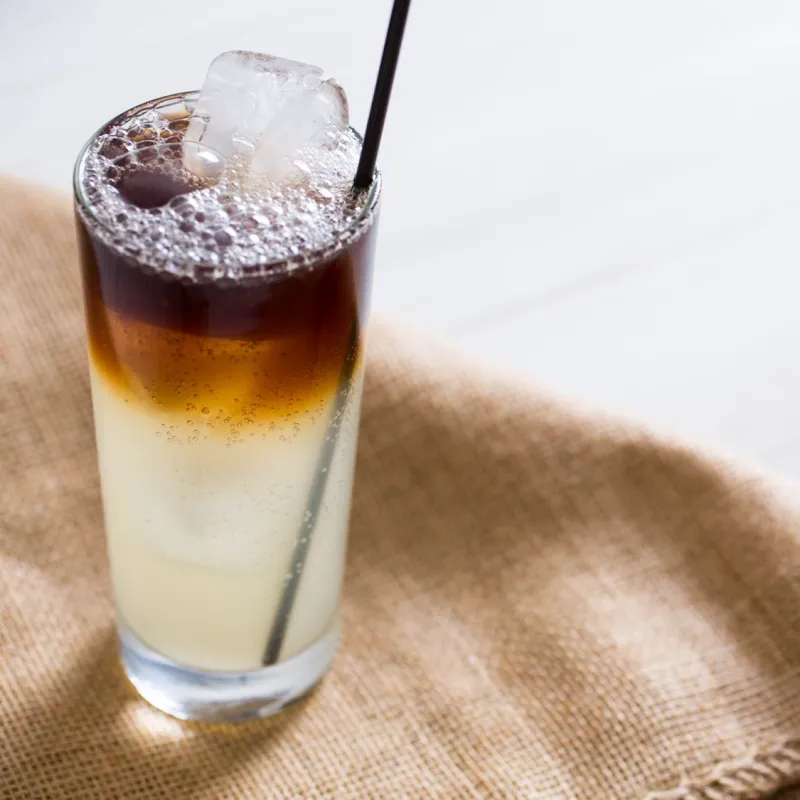
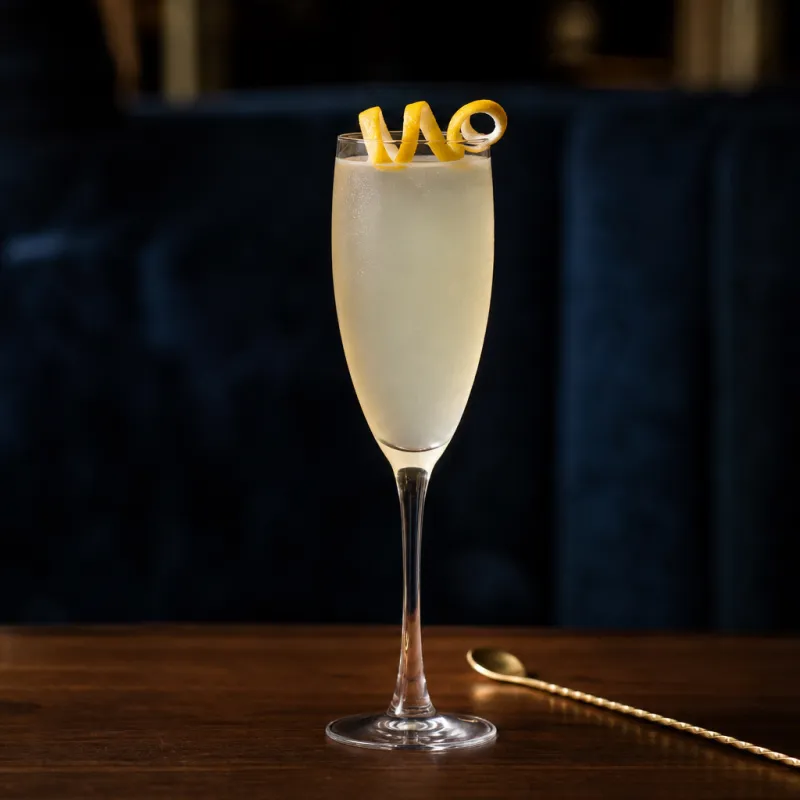
In a highball, the mixer makes up most of the glass. A good tonic or ginger beer can make a simple two-ingredient drink excellent, and a flat or overly sweet one ruins even the best spirit. This guide covers the most common mixers, what sets them apart and how to keep the bubbles in the glass.
Soda water
Plain carbonated water, sometimes called club soda. It lengthens a drink without adding sweetness, which is why it is the mixer for the Tom Collins, the Gin Fizz, the Mojito, the Americano and the whisky highball. Club soda usually contains a little added mineral salt, which gives it a slightly fuller taste than plain sparkling water. A highly carbonated mineral water can work too, but strongly mineralised waters taste salty in a drink.
Tonic water
Tonic water is carbonated water flavoured with quinine, which gives it its characteristic bitterness, and it is usually sweetened with sugar and flavoured with citrus. Tonic has a long history in the British colonies, where quinine was taken against malaria and mixed with gin and citrus to make it more palatable. Today there is a wide range of styles:
- Classic or Indian tonic: clearly bitter with citrus notes, the all-round choice for a Gin and Tonic.
- Light tonic: less sugar, a drier and thinner taste.
- Aromatic or flavoured tonic: with herbs, flowers or spices. Pair them with a simple spirit so the flavours do not clash.
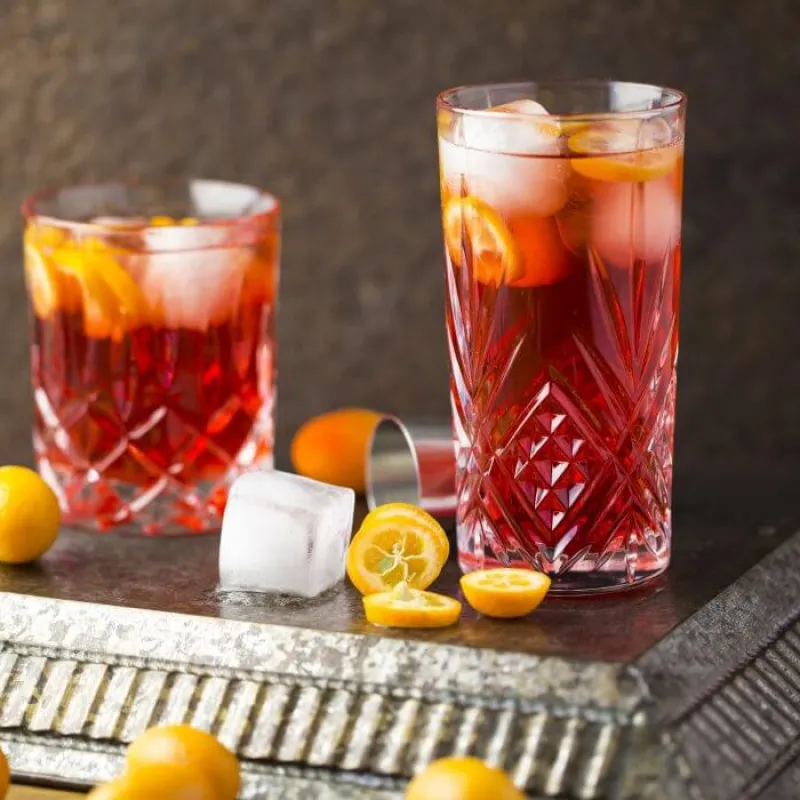
Tonic also works in the Campari Tonic, with vodka and with white vermouth or port as a lighter aperitif.
Ginger beer and ginger ale
These two are often confused, but they taste very different:
- Ginger beer is strongly flavoured with ginger and often cloudy, with real heat and spice. It is the mixer for the Moscow Mule and the Dark 'n' Stormy. Despite the name, the common soft drink versions are non-alcoholic.
- Ginger ale is lighter, clearer and sweeter, with only a gentle ginger note. It suits whisky highballs and drinks where the ginger should stay in the background.
If a recipe asks for ginger beer, do not replace it with ginger ale. The drink will lack the bite that holds it together.
Cola
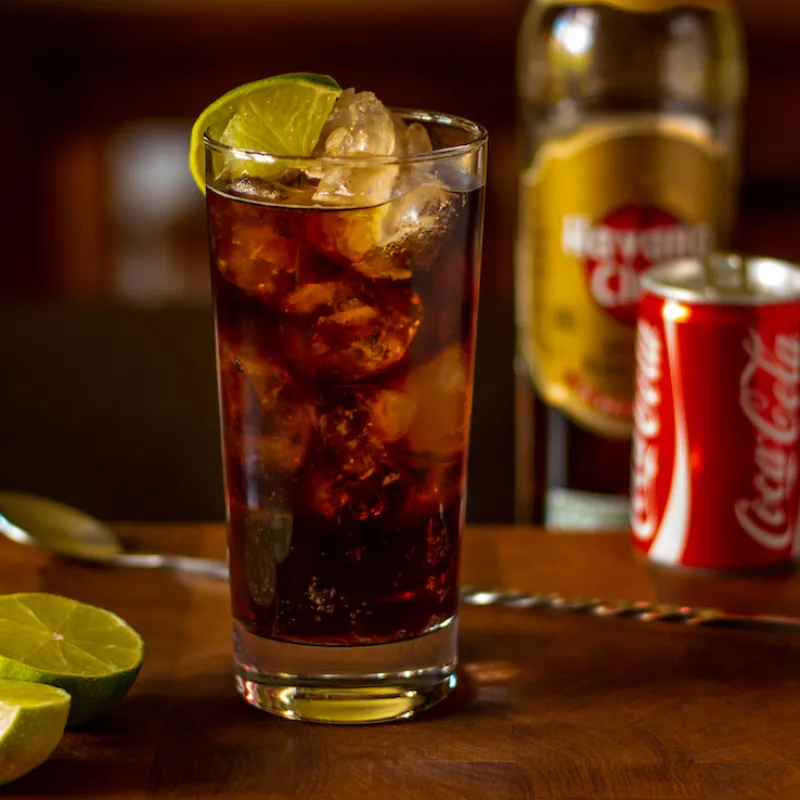
Cola brings sweetness, spice and caramel. It is the partner of rum in the Cuba Libre (with lime) and a key part of the Long Island Iced Tea. Cola made with cane sugar often tastes less cloying than versions sweetened with corn syrup, and a fresh squeeze of lime makes any cola drink more balanced.
Lemon and grapefruit sodas
- Lemon-lime soda: sweet and citrusy, used in some long drinks and punches.
- Bitter lemon: lemon with quinine, between tonic and lemonade. Good with gin or vodka.
- Grapefruit soda: bitter-sweet and the traditional mixer for the Paloma in Mexico.
Sparkling wine as a mixer
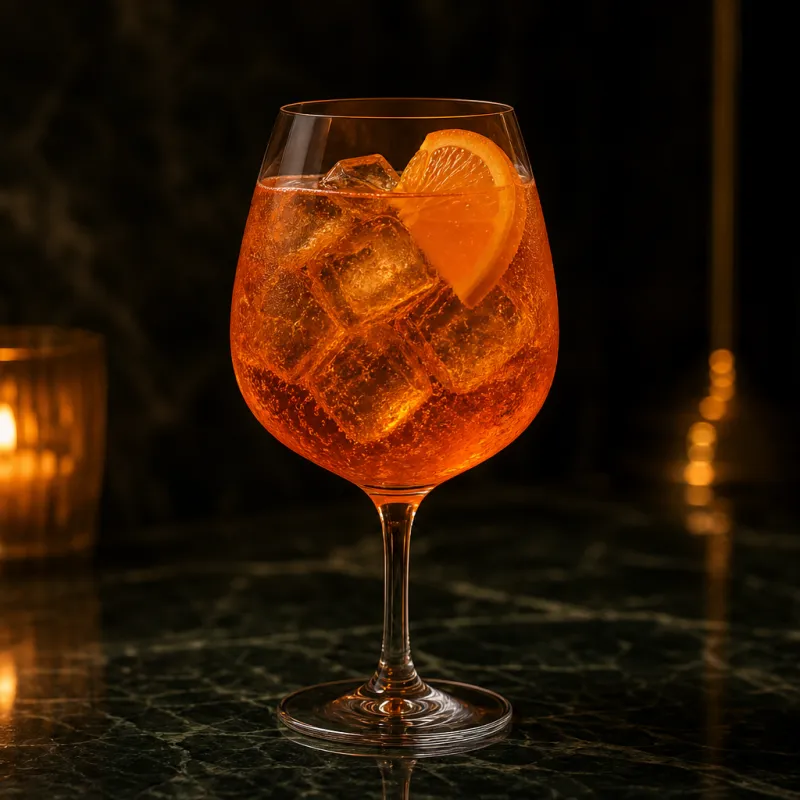
Prosecco, cava, crémant and champagne top many drinks, from the Aperol Spritz and the Hugo to the French 75 and the Kir Royal. A dry (brut) style usually works better than a sweet one, because the other ingredients already bring sugar.
How to keep the bubbles
- Chill everything. Cold liquids hold carbon dioxide better. Store mixers in the fridge, not at room temperature.
- Use small bottles. A large bottle loses fizz every time you open it. Small bottles of 200 ml or less are ideal for one or two drinks.
- Fill the glass with ice. A full glass of ice keeps the drink colder and melts more slowly than a few cubes.
- Pour gently. Tilt the glass or pour down a bar spoon, and add the mixer last.
- Do not stir hard. One gentle lift with a bar spoon is enough to combine the drink.
- Never shake carbonated mixers. Add them in the glass after shaking the other ingredients.
Soda makers and homemade mixers
A home carbonation device is useful for soda water, as long as you chill the water well before carbonating. Some drinkers also make their own ginger beer or tonic syrup and top it with soda. Homemade versions let you control the sweetness, but they are more work and keep for a shorter time, so for most people good bottled mixers are the practical choice.
Ratios
For a classic highball, a ratio of about 1 part spirit to 3 parts mixer is a good starting point, for example 50 ml gin and 150 ml tonic. A stronger mixer such as ginger beer can take a little more spirit, while a delicate tonic may need a little less. Taste and adjust to your own preference.
Many mixers are also excellent on their own or as the base of alcohol-free drinks. You can see every recipe that uses a particular mixer in our ingredients section, or browse all cocktails.