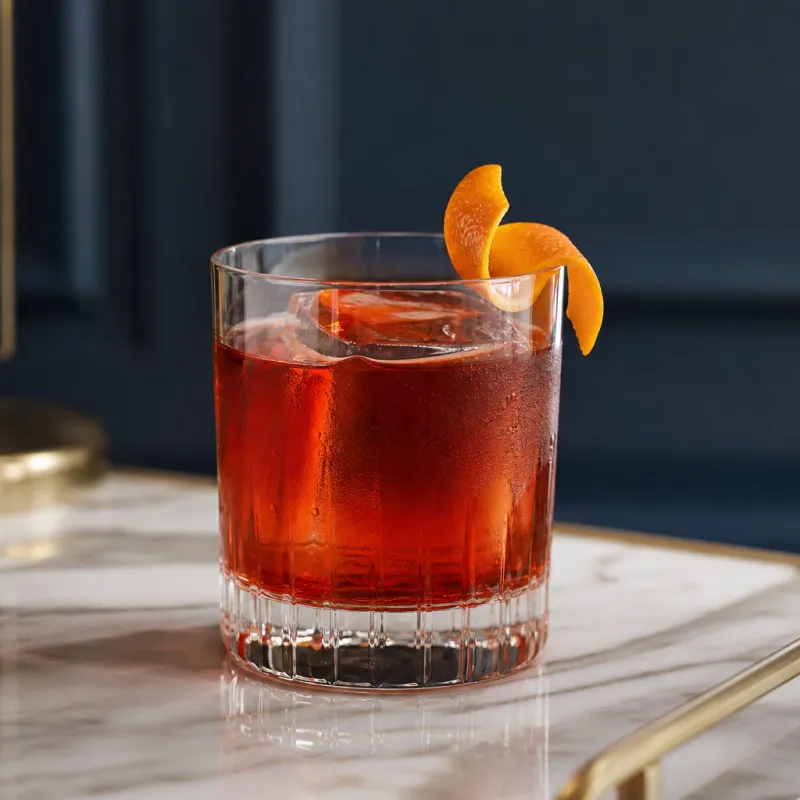
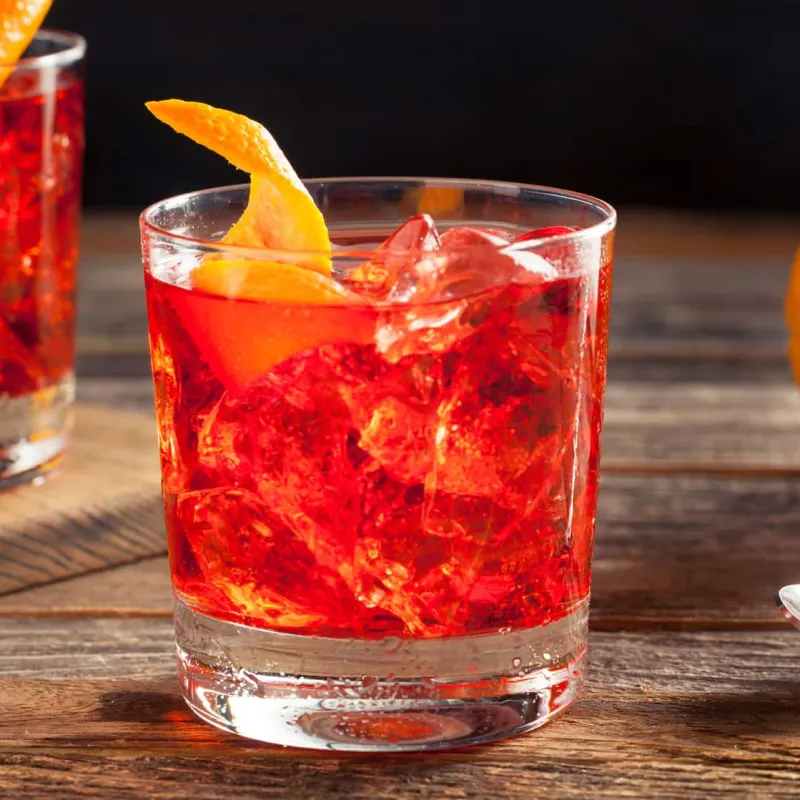
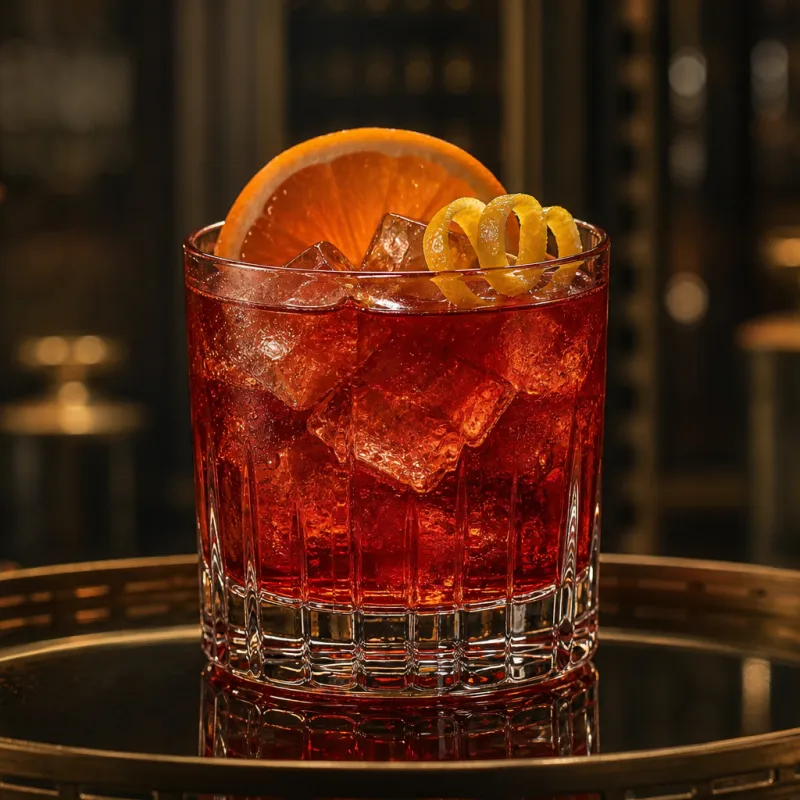
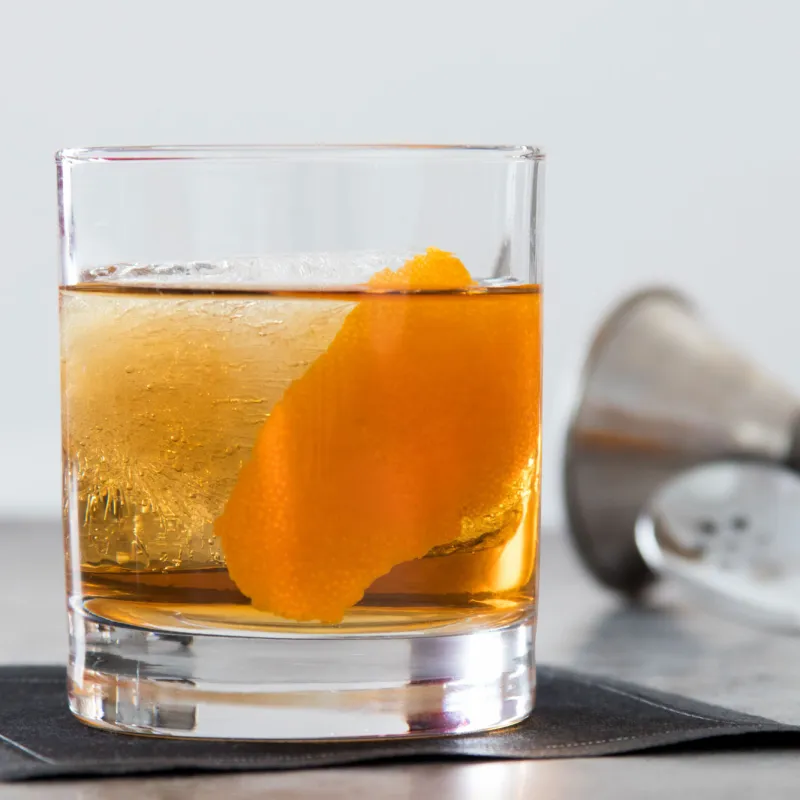
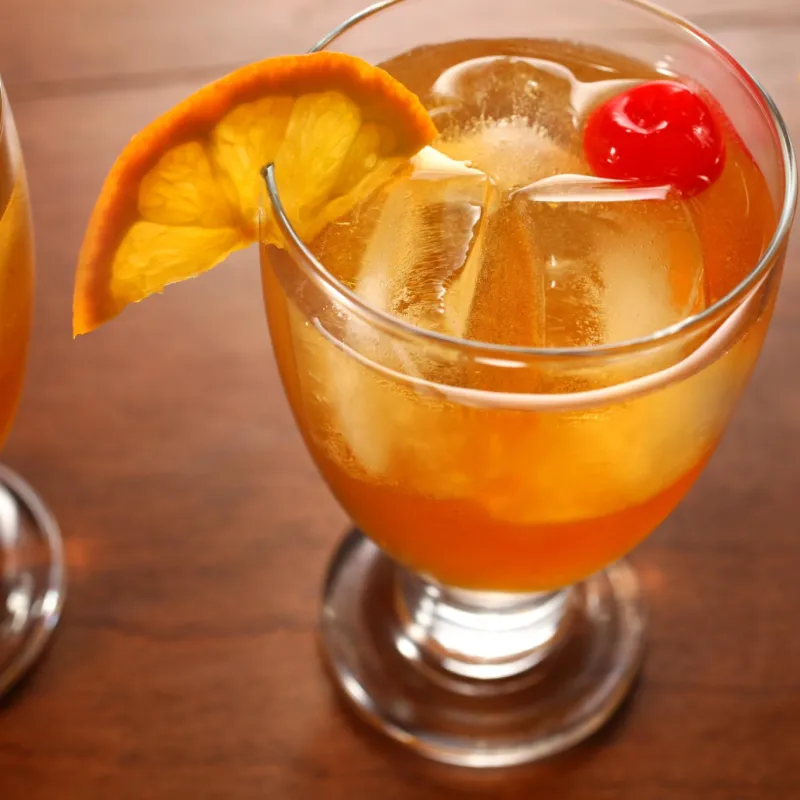
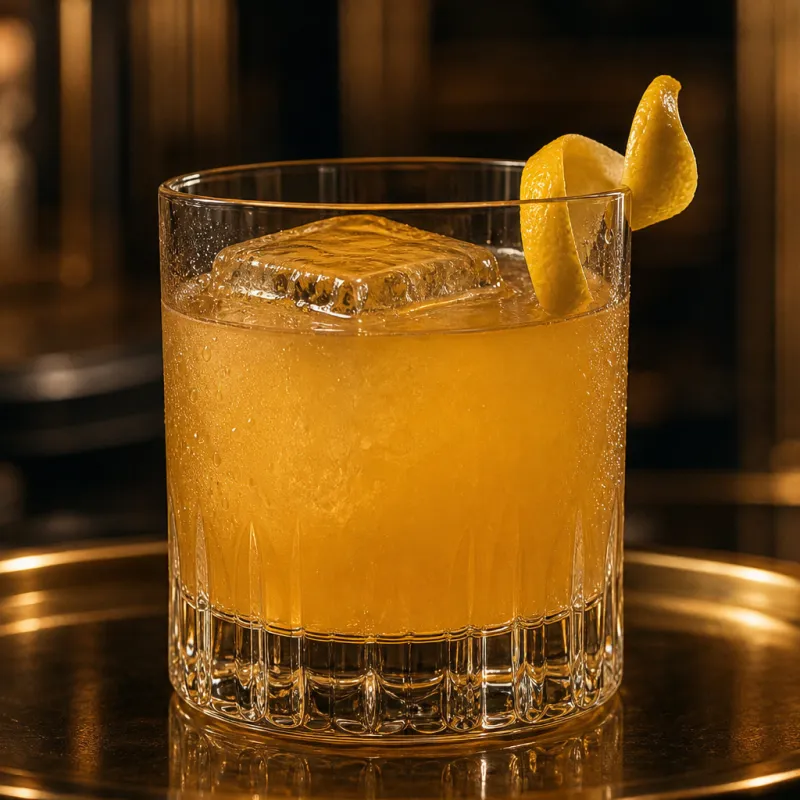
Swap the gin in a Negroni for bourbon and the drink changes character completely. Vanilla and caramel from the whiskey soften Campari's bitterness, while the vermouth adds dark fruit. It is a drink for autumn evenings and slow conversations.
4.6Editors’ rating
Taste4.6
Balance4.5
Easy to make4.6
Popularity80
Reader rating: No reader ratings yet. Be the first.
Add bourbon, Campari and sweet vermouth to a mixing glass filled with ice.
Stir for 20 to 25 seconds.
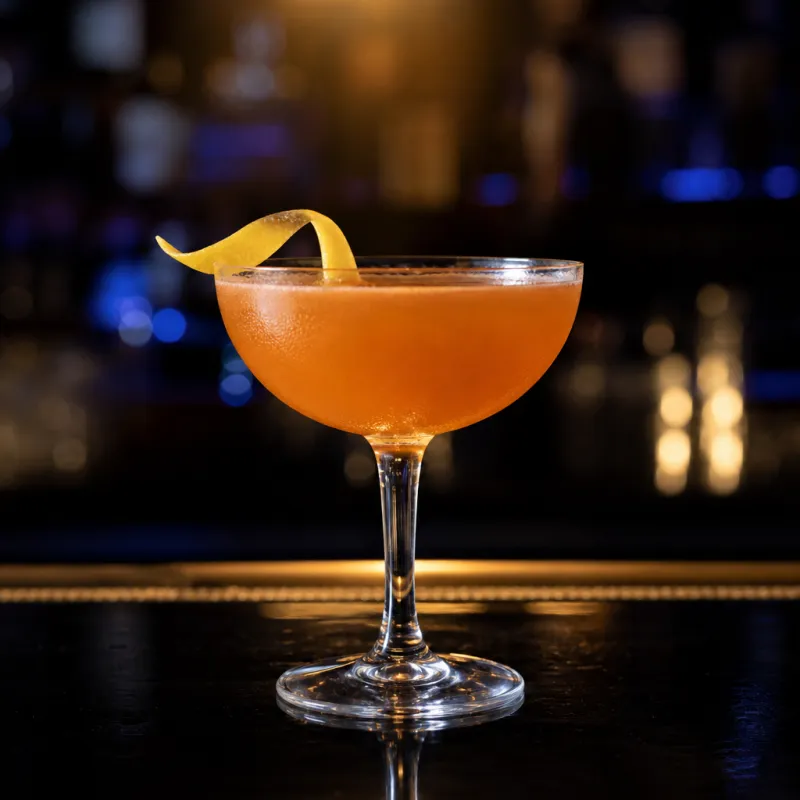
Strain into a rocks glass over one large ice cube, or into a chilled coupe.
Express an orange peel over the drink and drop it in.
Link copied
Watch it made
Boulevardier
Taste
Bittersweet and warming, with caramel, vanilla and oak from the bourbon, orange-peel bitterness from the Campari and dark fruit from the vermouth. Strong and velvety.
History and origin
The Boulevardier dates from 1920s Paris. It is credited to Erskine Gwynne, an American writer who published a magazine for expatriates called Boulevardier. The drink appears in Harry MacElhone's 1927 book Barflies and Cocktails, where it is credited to Gwynne, one of the many American regulars at Harry's New York Bar.
For most of the twentieth century it was nearly forgotten, surviving only in old bar books. The cocktail revival and the Negroni's rise in the 2000s brought it back. The International Bartenders Association lists it among its Unforgettables, with a slightly higher share of whiskey than the equal-parts Negroni.
Bartender tips
A higher-proof bourbon or rye (around 50 % ABV) keeps the whiskey from being overpowered.
Rye gives a drier, spicier Boulevardier, bourbon a rounder, sweeter one.
If you find it too bitter, raise the whiskey to 60 ml for a 2 to 1 to 1 ratio.