You can serve a cocktail in any glass, but the right one does real work. It keeps a drink cold for longer, leaves room for ice or foam, concentrates aroma and shows the colour. This guide covers the glasses you will meet in our recipes, what each is for and which drinks traditionally go in it. Sizes vary a lot between manufacturers, so the volumes below are typical ranges, not rules.
Three questions that decide the glass
- Is it served with ice? Drinks served "up" (chilled, no ice) go in stemmed glasses so your hand does not warm them. Drinks on ice go in tumblers or tall glasses.
- How long is it? Short, strong drinks need a small glass. Anything topped with soda, tonic or juice needs a tall one.
- What should you smell? A narrow rim holds aroma, a wide rim releases it quickly.
Stemmed glasses for drinks served up
Cocktail glass (martini glass)
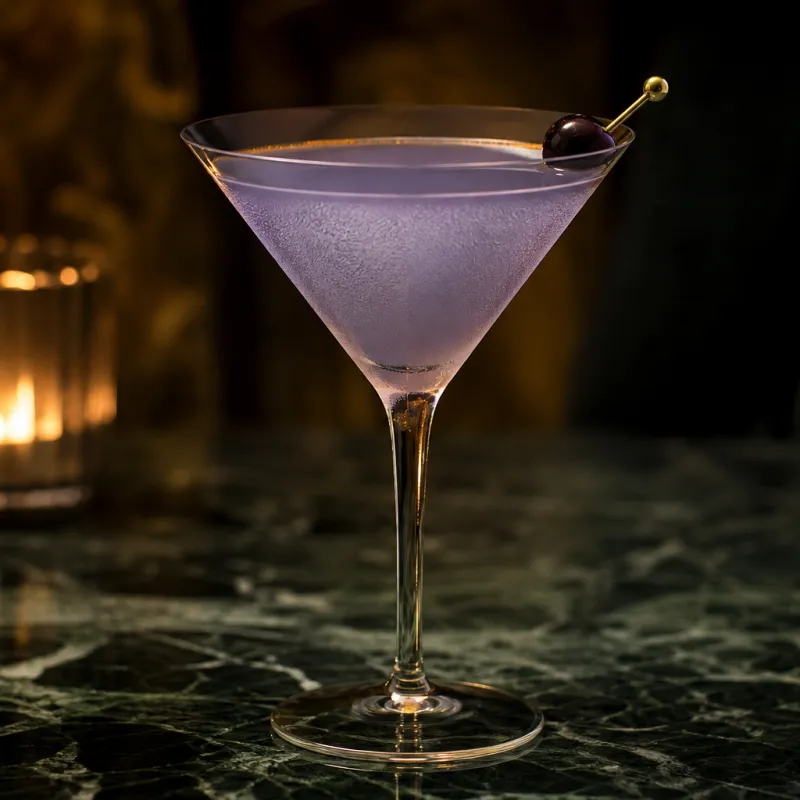
The V-shaped glass on a long stem is the symbol of cocktails in general. The wide, shallow bowl shows off a clear drink and puts the aroma right under your nose. Its weakness is stability: the steep sides make it easy to spill. Classic uses are the Martini, the Cosmopolitan and the Manhattan. Modern versions are often smaller than the oversized glasses of the 1990s, which is a good thing, since a drink served up should be finished while it is still cold.
Coupe
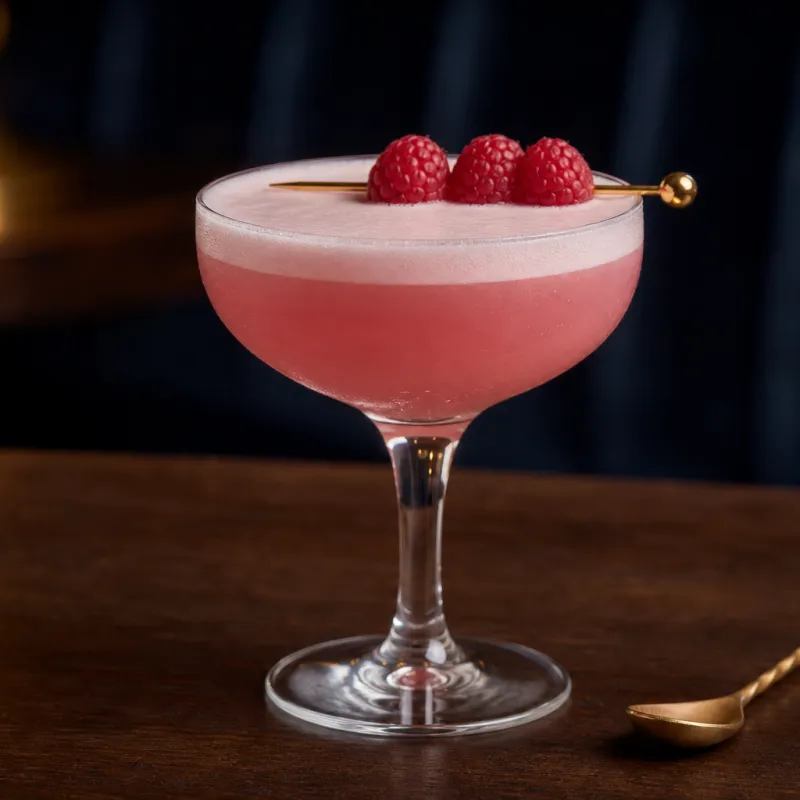
The coupe has a rounded, shallow bowl and was originally used for sparkling wine. The popular story that its shape was modelled on a famous French queen is a legend. For cocktails it is more practical than the V-shaped glass: the curved rim holds the liquid back, so it spills less. It suits almost every shaken sour served up, such as the Daiquiri, the Clover Club, the Sidecar or the Aviation.
Nick and Nora
A small, tulip-like stemmed glass with a deeper bowl and a narrower rim. It is named after the couple in the film The Thin Man. Many bartenders now prefer it for stirred drinks like the Martinez or a small Martini, because the smaller volume and narrower opening keep the drink colder and more aromatic.
Margarita glass
A stepped bowl with a very wide rim that offers plenty of space for a salt rim. It is traditional for the Margarita, especially in frozen versions. Many bars serve a shaken Margarita in a coupe or on the rocks instead, which is just as correct.
Champagne flute
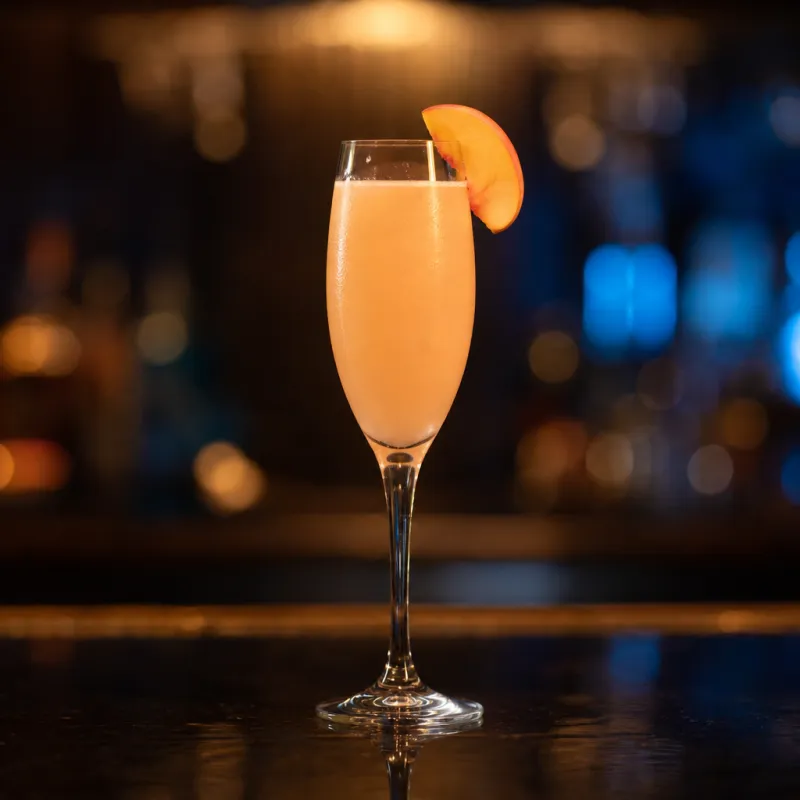
The tall, narrow flute keeps bubbles alive and shows the rising bead. It is the standard for sparkling cocktails like the Bellini, the Mimosa, the Kir Royal and the French 75. Some drinkers prefer a tulip-shaped wine glass for sparkling wine because it gives more aroma, and that works well for these drinks too.
Wine glass
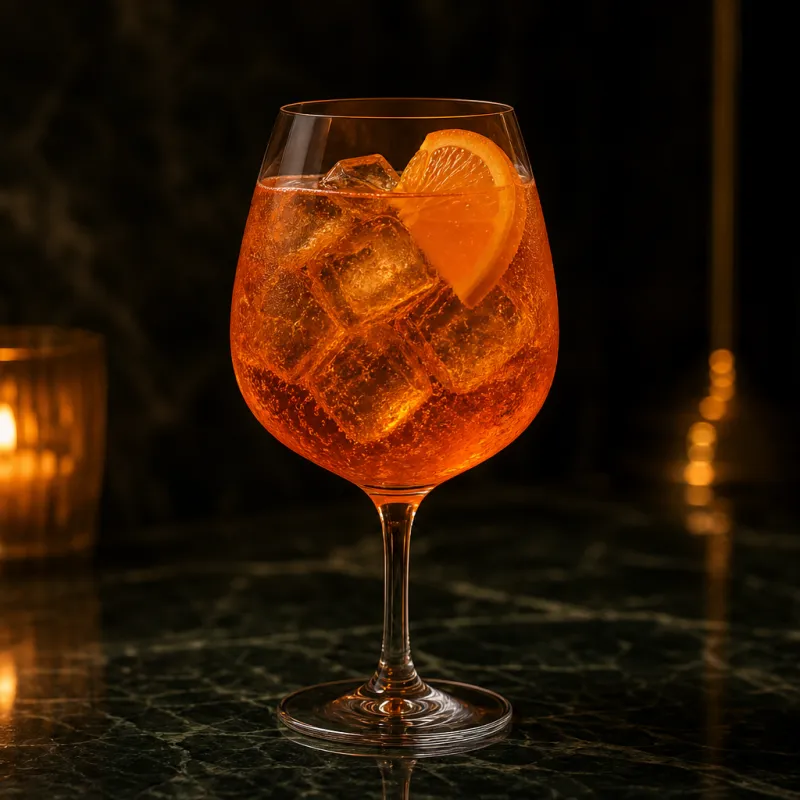
A large, balloon-shaped wine glass has become the standard vessel for spritz-style drinks. There is room for plenty of ice, the bowl catches the aroma, and the stem keeps hands away from the drink. The Aperol Spritz, the Hugo and the Sangria are typical examples.
Snifter
The short-stemmed, balloon-shaped glass with a narrow top is made for brandy and aged spirits. You hold the bowl in your palm and swirl. In cocktails it appears for some warm or rich drinks and for neat pours after dinner.
Tumblers for drinks on ice
Rocks glass (old fashioned glass)
A short, heavy tumbler with a thick base, usually around 200 to 300 ml. It is the home of spirit-forward drinks served over ice, such as the Old Fashioned, the Negroni, the Sazerac (traditionally served without ice) and the White Russian. The weight is practical: you can stir or muddle directly in it.
Double rocks glass
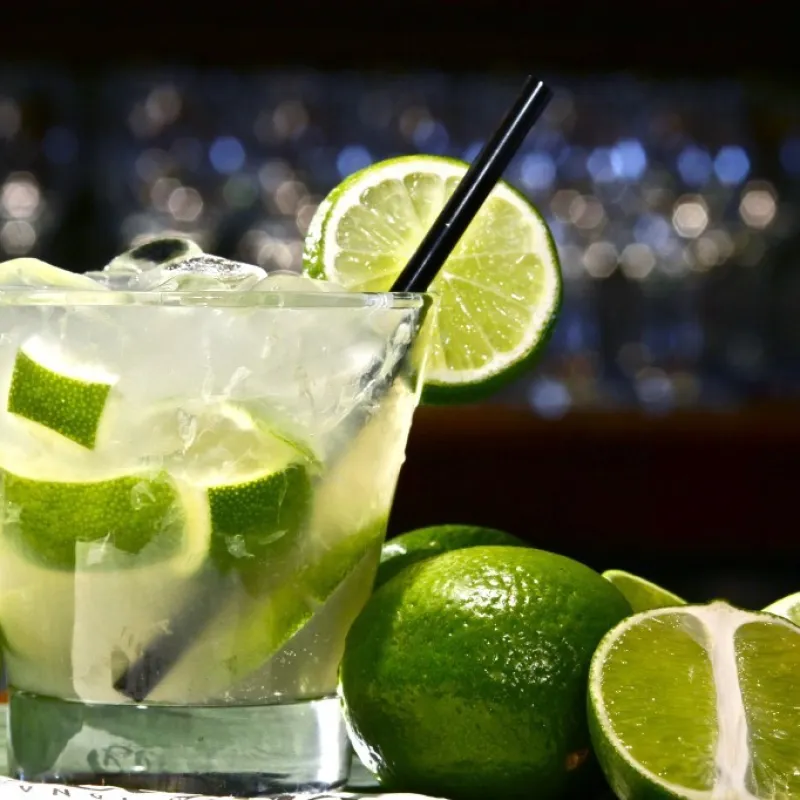
The same shape with a larger volume, often 300 to 400 ml. It fits a big block of ice plus the drink, or muddled drinks with crushed ice such as the Caipirinha and the Whiskey Smash.
Shot glass
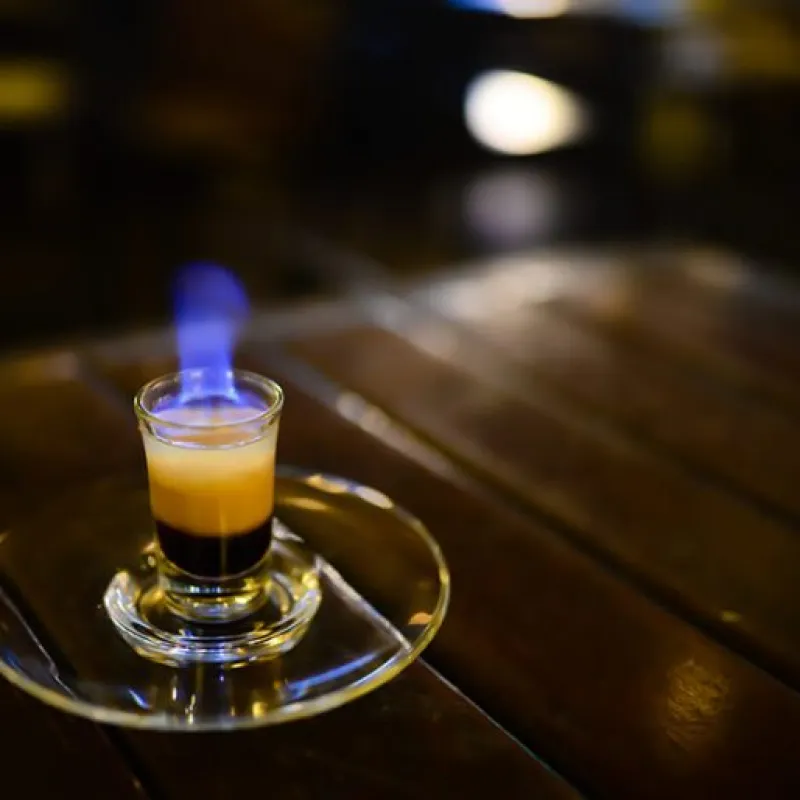
A small, thick glass for neat shots and layered shooters like the B-52. Sizes range from about 20 to 60 ml, so check your recipe before you pour.
Tall glasses for long drinks
Highball glass
A straight, tall glass of medium width, usually 250 to 350 ml. It is made for simple long drinks: spirit plus a mixer over ice. The Gin and Tonic, the Cuba Libre, the Dark 'n' Stormy and the Screwdriver belong here. A narrow glass keeps carbonation longer than a wide one.
Collins glass
Slightly taller and narrower than a highball glass. It is named after the Tom Collins and is used for fizzy sours such as the Tom Collins and the Mojito. In practice many bars use highball and collins glasses interchangeably.
Fizz glass
A smaller straight glass without ice, used for fizzes such as the Gin Fizz or the Ramos Gin Fizz. A fizz is traditionally served short and without ice, which is why the glass is smaller than a collins.
Hurricane glass
A tall glass shaped like a storm lantern, associated with the Hurricane cocktail from New Orleans. It is often used for large tropical and frozen drinks, including the Piña Colada.
Poco grande
A stemmed glass with a curved, tulip-like bowl. It is common for frozen and blended drinks such as the Piña Colada and the frozen Daiquiri, where the stem keeps your hand away from the cold drink.
Sling glass
A tall, slim glass on a short foot, traditionally used for the Singapore Sling. Any tall glass works as a substitute.
Special vessels
Copper mug
The copper mug is inseparable from the Moscow Mule. Copper conducts cold well, so the mug feels icy in your hand. Choose mugs lined with stainless steel or tin on the inside, as acidic drinks should not sit in bare copper.
Julep cup
A metal cup, often silver or stainless steel, for the Mint Julep. Filled with crushed ice, it frosts on the outside. Hold it by the rim or the base to keep the frost intact.
Tiki mug
Ceramic mugs with carved faces and figures, a trademark of tiki bars since the mid-20th century. They hold large volumes of crushed ice and rum, so they suit the Zombie, the Mai Tai (also often served in a double rocks glass) and the Painkiller.
Irish coffee glass and mug
A heatproof stemmed glass or a mug for hot drinks such as the Irish Coffee or a Hot Toddy. Warm it with hot water before pouring, so the drink stays hot longer.
Pint and beer glass
Used for beer cocktails such as the Michelada or a Shandy, where the volume of the beer sets the size.
Matching the glass to the drink volume
A common mistake at home is a glass that is far too big. A shaken sour made with 60 ml of spirit ends up at roughly 120 to 140 ml after dilution, which looks lost in a 300 ml cocktail glass and warms up before you reach the bottom. For drinks served up, a glass of about 150 to 200 ml is usually right. For long drinks, the opposite applies: the glass should be large enough to be filled with ice to the top, because more ice means slower melting and less dilution.
Care and chilling
For any drink served up, chill the glass. Put it in the freezer for 15 minutes or fill it with ice and water while you mix, then empty it just before pouring. Wash glasses without strong detergents or fabric softener on the towel, because residues kill bubbles and foam. Polish with a lint-free cloth and hold stemmed glasses by the stem.
You do not need every glass on this list. A home bar is well equipped with four types: a coupe or Nick and Nora, a rocks glass, a highball glass and a wine glass. Each recipe on our site names the traditional glass, and you can filter by glass in the glassware section. For the other equipment, see our guide to bar tools.