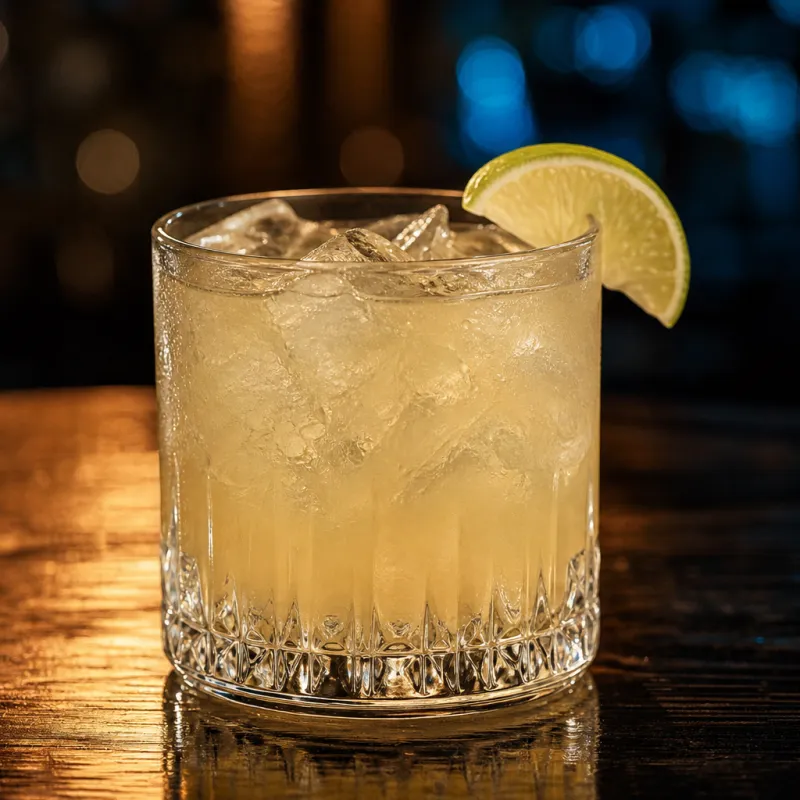
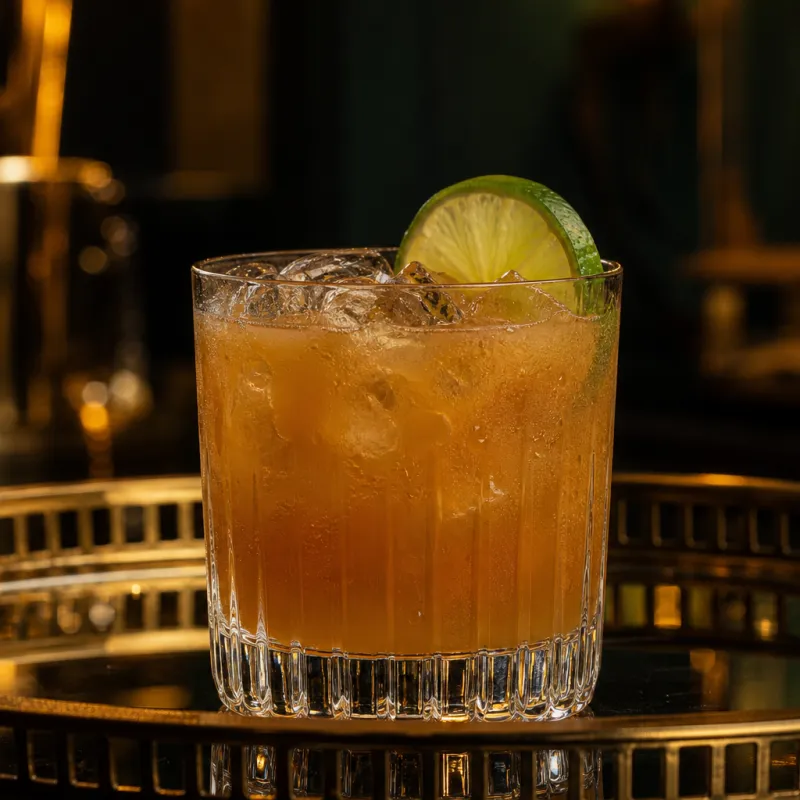
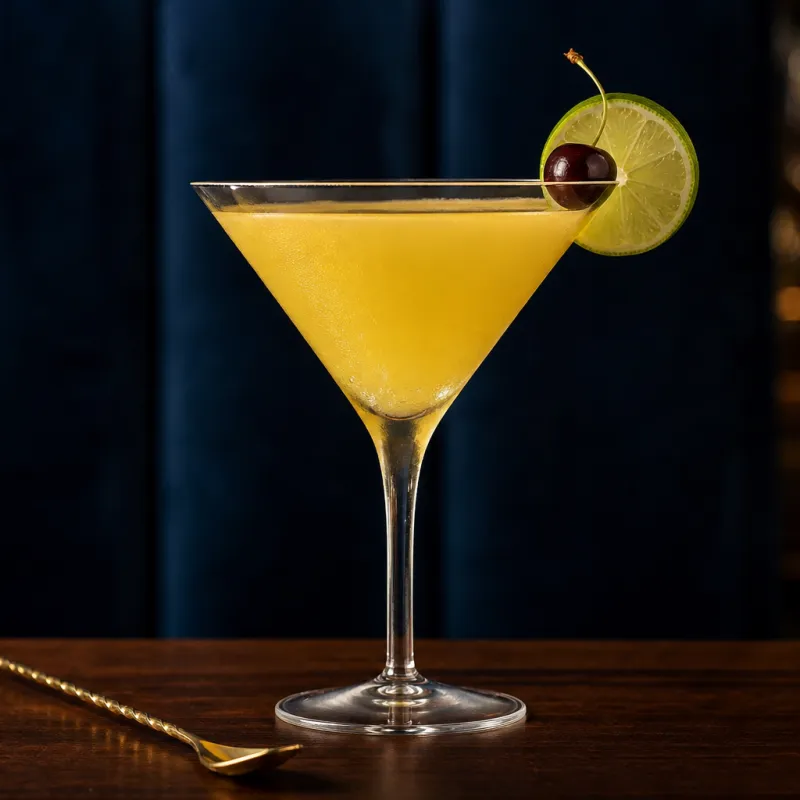
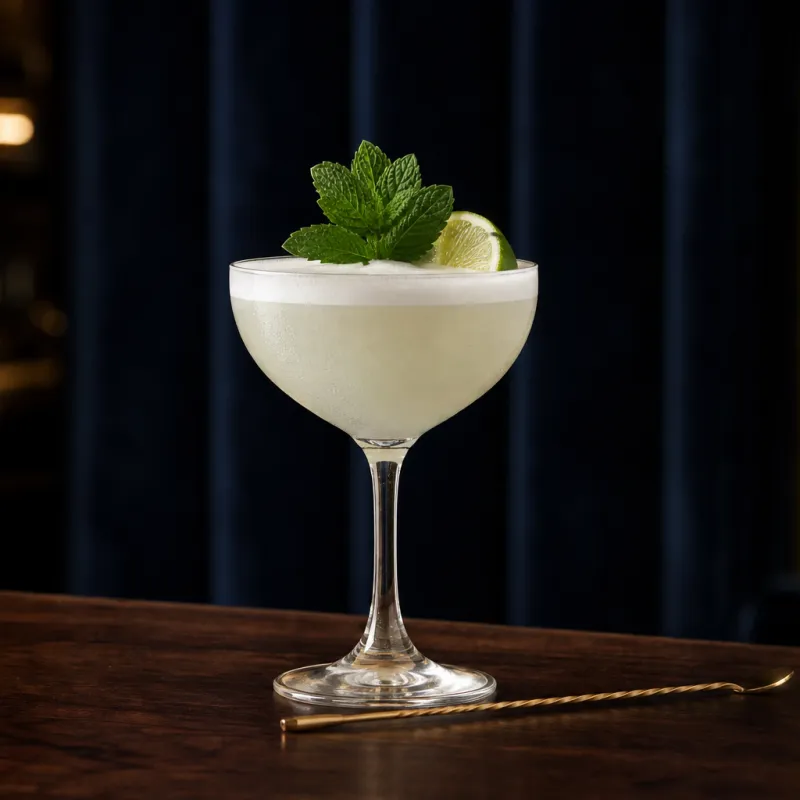
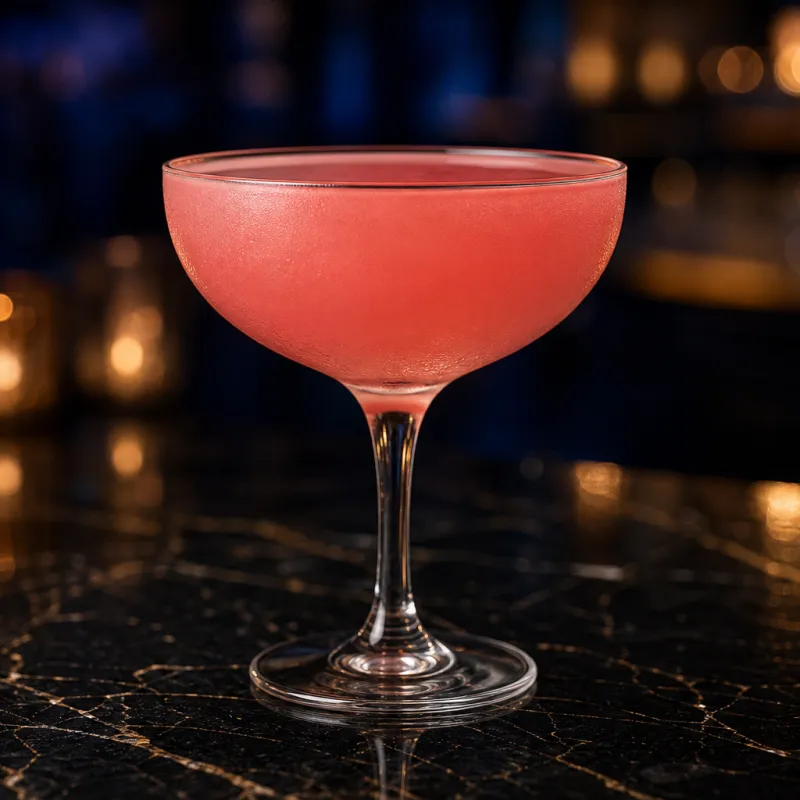
Honey, lime and young cane spirit, stirred together with a little water and poured over ice. It is rough edged in the best way: grassy, sweet and tart, and traditionally served in a small clay cup.
3.9Editors’ rating
Taste4
Balance4
Easy to make3.4
Popularity15
Reader rating: No reader ratings yet. Be the first.
Dissolve the honey in the lime juice and water in a clay cup or rocks glass.
Add the aguardiente and stir well.
Fill with ice and stir briefly again.
Garnish with a lime wedge.
Link copied
Watch it made
Canchanchara
Taste
Fresh and honeyed with sharp lime and the grassy, raw character of young cane spirit. Lighter than it sounds thanks to the water.
History and origin
The Canchanchara is strongly tied to the city of Trinidad in central Cuba, where it is still served in small clay cups. Tradition connects it with the Mambises, the Cuban independence fighters of the late 19th century, who are said to have drunk a mixture of aguardiente, honey and lime. How much of this story is documented and how much is local legend is hard to say.
With its sugar cane spirit, lime and sweetener it follows the same pattern as the later Daiquiri, which is why it is often presented as a forerunner. The IBA lists it among its New Era Drinks.
Bartender tips
Mix the honey with the water and lime first; cold spirit and ice make honey set into lumps.
Real Cuban aguardiente is hard to find outside Cuba. A young unaged rum or a rhum agricole blanc gives a similar grassy profile.
For a batch, prepare a honey water in advance (one part honey to three parts water) and mix with lime and spirit to order.
Variations
Shaken
Shake all ingredients with ice and strain over fresh ice for a colder, more integrated drink.
With rum
Use a light Cuban-style rum instead of aguardiente for a softer version.
Frequently asked questions
What is Cuban aguardiente?
A young, strong spirit distilled from sugar cane products, the raw base from which Cuban rum is made.
Why is the Canchanchara served in a clay cup?
It is the tradition in Trinidad, Cuba. The clay keeps the drink cool and is part of its rustic character.
Is the Canchanchara related to the Daiquiri?
In structure, yes: cane spirit, lime and a sweetener. It is often called a forerunner of the Daiquiri.