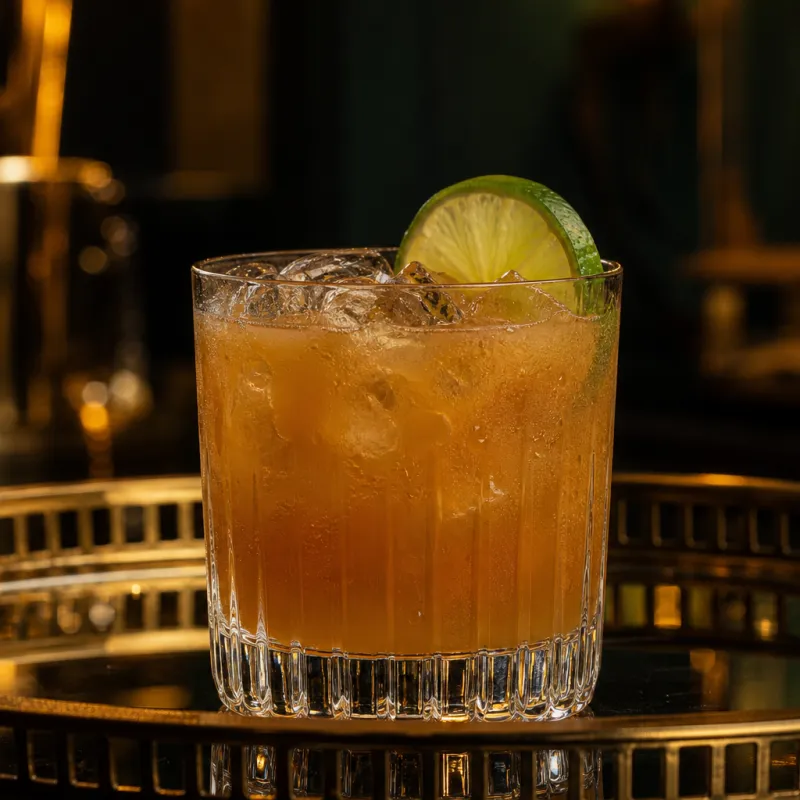
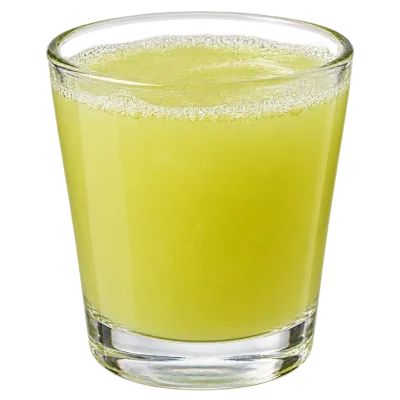
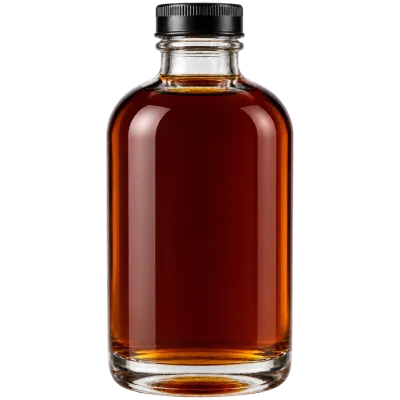
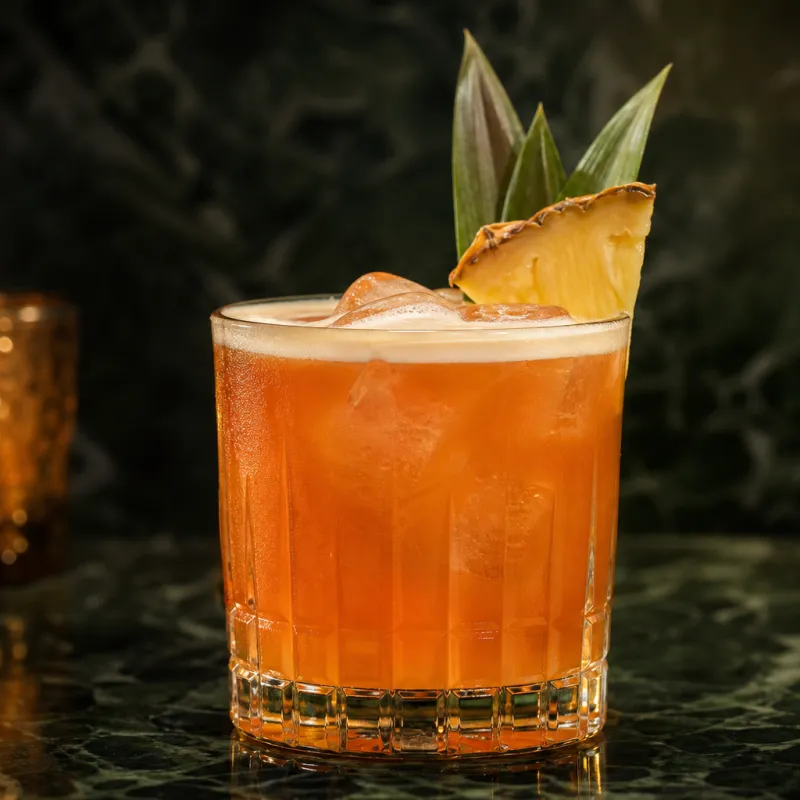
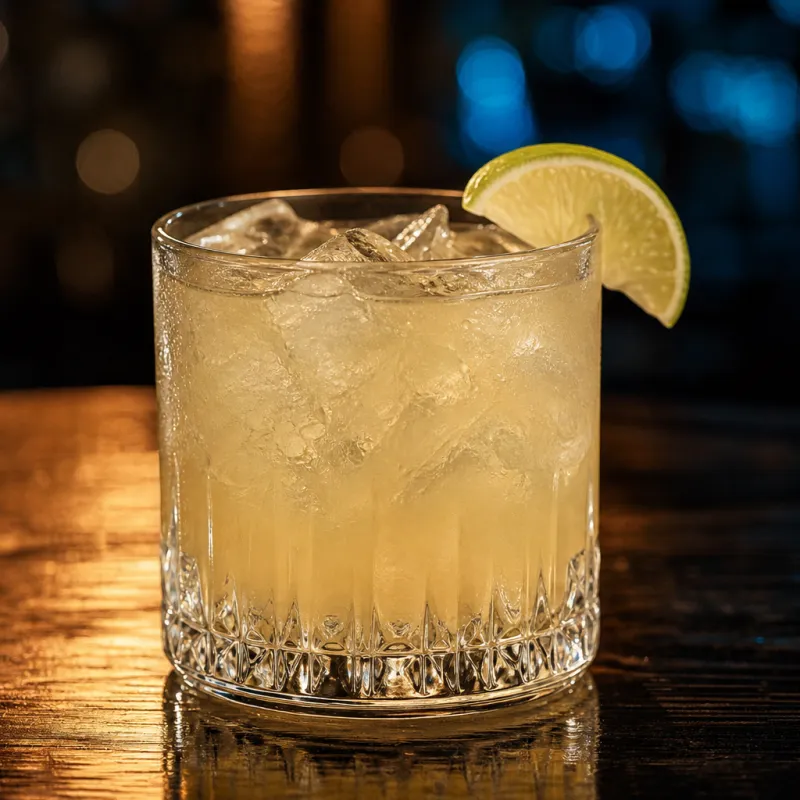
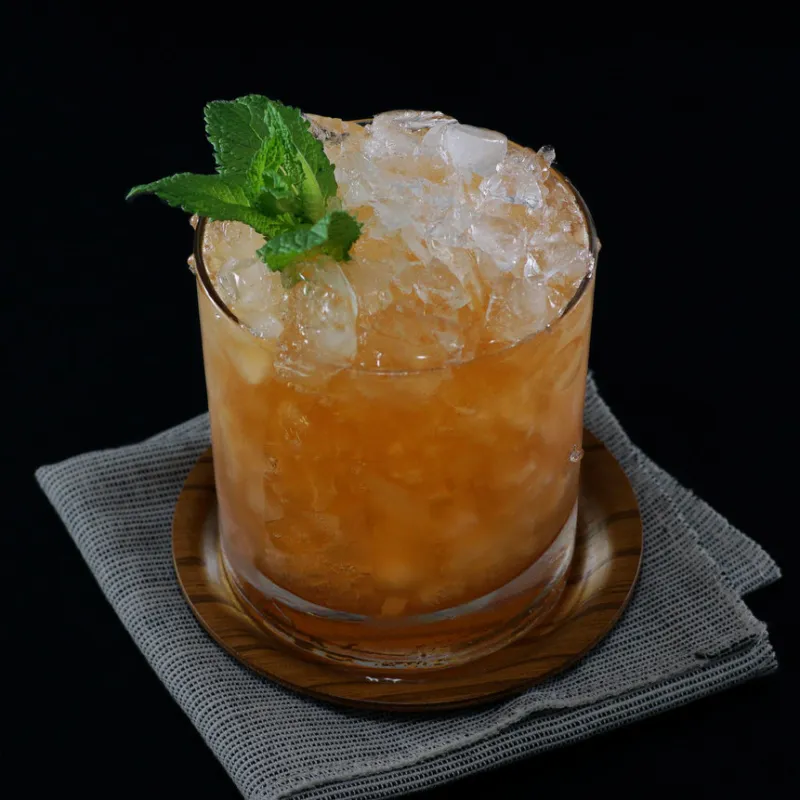
Rich, molasses-heavy rum, a squeeze of lime, a spoon of brown sugar and plain water. It sounds modest, but the balance of sweet, sour and strong is the same one that runs through the older punch tradition and, much later, the daiquiri.
3.8Editors’ rating
Taste3.8
Balance3.8
Easy to make4.6
Popularity35
Reader rating: No reader ratings yet. Be the first.
Stir for 10 seconds and garnish with a lime wheel.
Link copied
Watch it made
Grog
Taste
Rum-forward and rounded, with molasses sweetness and a light lime edge. Medium strength thanks to the water.
History and origin
Grog goes back to the British Royal Navy. In 1740 Vice Admiral Edward Vernon, commanding the fleet in the West Indies, ordered that the sailors' daily rum ration be mixed with water rather than handed out neat, to curb drunkenness. Sugar and lime or lemon juice were allowed to make it more palatable. Vernon's nickname was Old Grog, reportedly after his coat of grogram, a coarse fabric, and the name passed to the drink.
The daily rum issue survived in the Royal Navy until 1970. Over time the word grog came to be used loosely for many rum drinks, hot or cold, and in Germany it usually means hot water with rum and sugar.
Bartender tips
Make demerara syrup by dissolving demerara sugar in the same weight of hot water; it adds a caramel depth white sugar lacks.
For a winter version, skip the ice and top with hot water instead of cold.
A robust Navy-style or Demerara rum stands up to the dilution better than a light rum.
Variations
Hot grog
Serve in a mug with hot water instead of ice and cold water, often with a lemon slice.
Navy Grog
A tiki-era drink with several rums, lime, grapefruit and honey, served over crushed ice.
Frequently asked questions
Why is it called grog?
The name comes from Admiral Edward Vernon, known as Old Grog, who ordered the Navy rum ration to be diluted in 1740.
Is grog served hot or cold?
Both. The Navy ration was served cold; in Germany and Austria grog usually means a hot drink.
Can I use white rum?
Yes, but dark rum gives the fuller, traditional flavor.