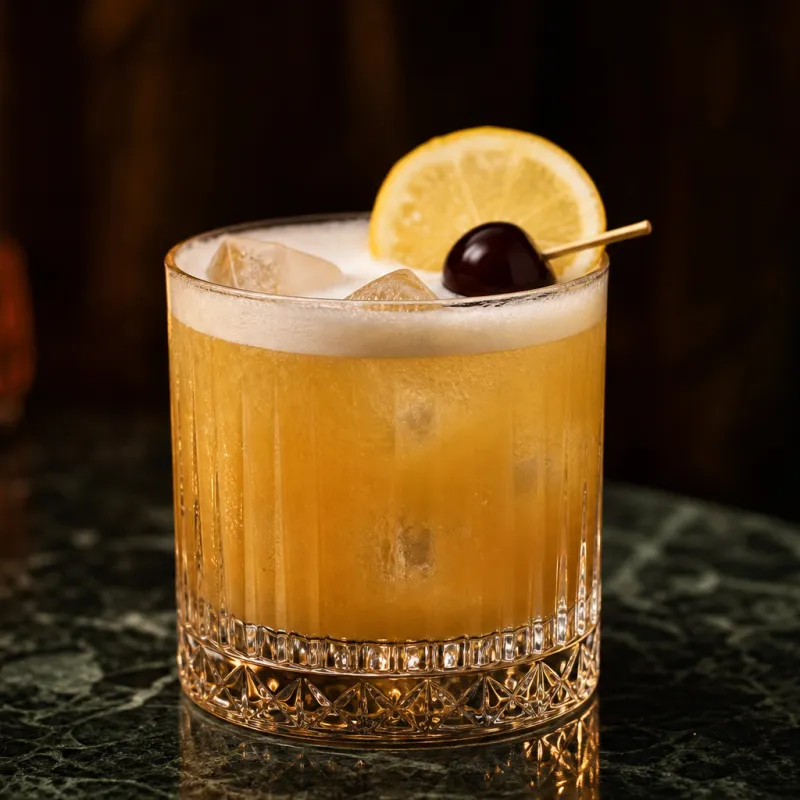
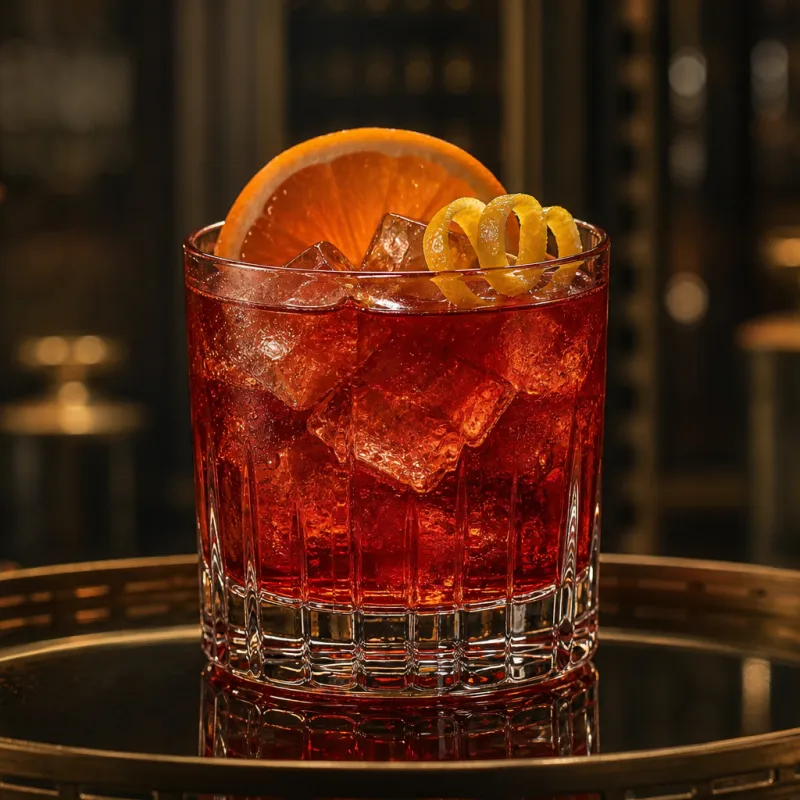
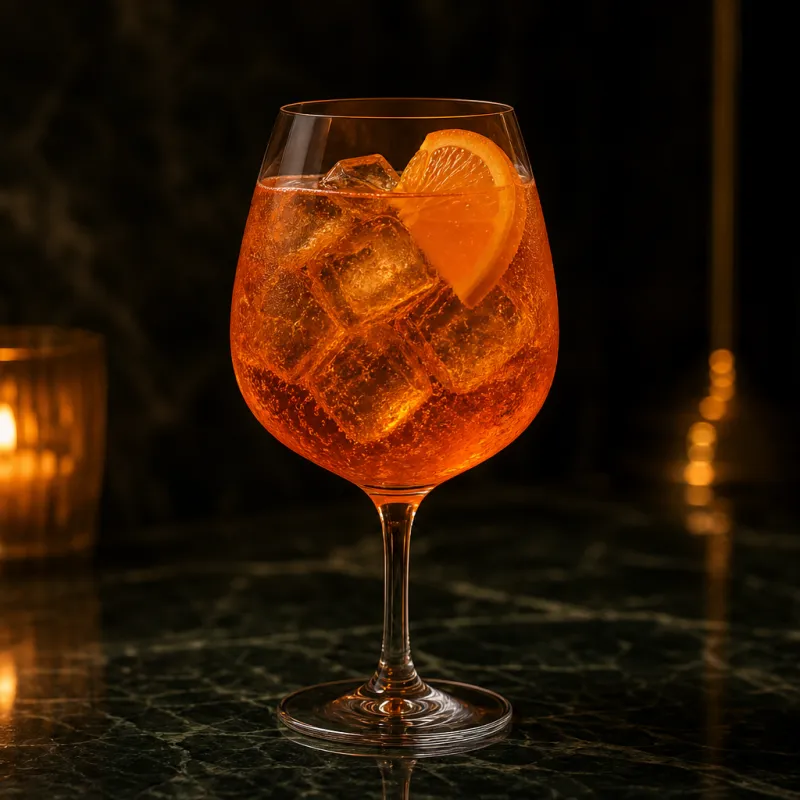
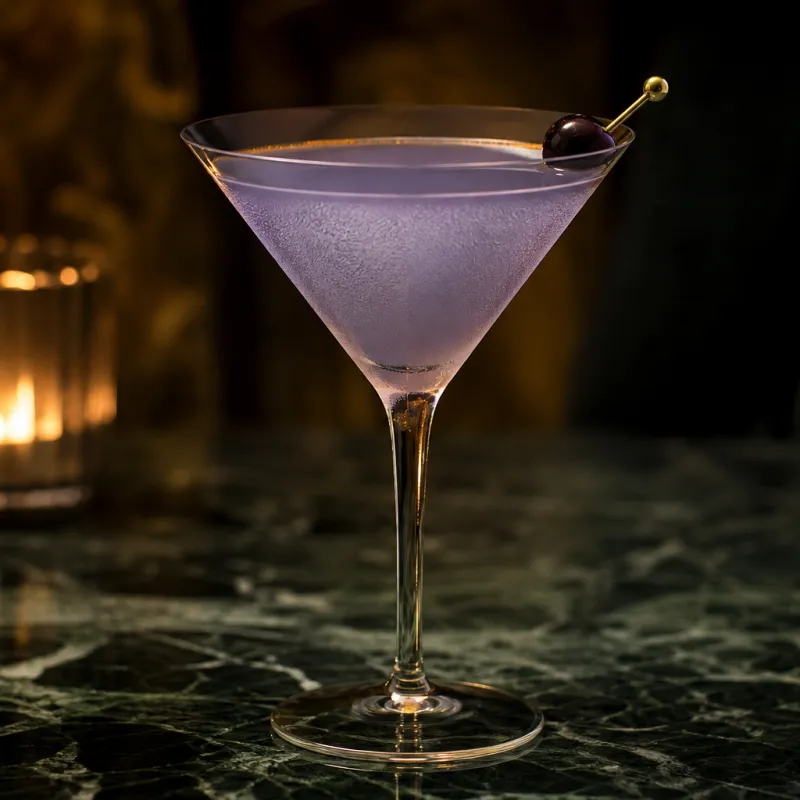
If base spirits are the backbone of a cocktail, liqueurs, vermouths and bitter aperitifs are its seasoning. Bartenders call them modifiers: ingredients used in smaller amounts that add sweetness, aroma, bitterness or body. Most are lower in alcohol than a base spirit, and some aperitifs are light enough to carry a drink on their own, as in a spritz. This guide explains the main groups and how to use and store them.
Orange liqueurs
If you buy one liqueur, make it an orange liqueur. Triple sec is a clear orange liqueur, with Cointreau as the best-known brand. Curaçao is the older name for the style and is also sold in blue, which is the same flavour with colouring. Brandy-based orange liqueurs such as Grand Marnier are richer and heavier. Orange liqueur is essential for the Margarita, the Sidecar, the Cosmopolitan, the Mai Tai and the Long Island Iced Tea.
Vermouth
Vermouth is wine that has been fortified with spirit and flavoured with herbs, spices and roots. Historically, wormwood was a defining botanical, and the German word Wermut gave the drink its name. There are three main styles:
- Sweet (red) vermouth: associated with Turin and Italy. Rich, spiced, bittersweet. Used in the Manhattan, the Negroni, the Americano and the Rob Roy.
- Dry vermouth: associated with France. Pale, crisp and herbal. Used in the Martini and the Gibson.
- Bianco or blanc: clear but sweeter than dry vermouth, with vanilla and floral notes. Good in lighter stirred drinks and with tonic.
The most important rule: vermouth is wine. Once opened, keep it closed in the fridge and use it within a few weeks. Oxidised vermouth tastes flat and stale and is the most common reason for a disappointing Manhattan at home. Buying half bottles helps.
Bitter aperitifs and amari
Italian bitter liqueurs combine sweetness with bitter herbs, roots and citrus peel.
- Campari: deep red, intensely bitter with orange and herbal notes. The heart of the Negroni, the Americano, the Boulevardier and the Campari Soda.
- Aperol: orange, lighter, sweeter and lower in alcohol than Campari. Best known in the Aperol Spritz and useful in modern classics such as the Paper Plane.
- Amaro: the wide family of Italian herbal bitters, from light and citrusy to dark and heavy. Amaro Nonino, Averna and Montenegro are common in cocktails.
- Fernet: a very bitter, minty style, often drunk as a digestif.
Other fortified wines
Sherry, port and aromatised wines like Lillet Blanc work in a similar way to vermouth. Dry fino sherry adds a salty, nutty note; Lillet Blanc brings honeyed citrus and appears in the Vesper and the Corpse Reviver No. 2. The same storage rule applies: fridge after opening.
Classic liqueurs worth knowing
- Maraschino: a clear liqueur distilled from marasca cherries, floral and nutty rather than sweet cherry. Used in the Aviation, the Last Word and the Hemingway Daiquiri.
- Chartreuse: a French herbal liqueur made by Carthusian monks, in green (stronger, more intense) and yellow (softer, sweeter). Essential for the Last Word.
- Bénédictine: a honeyed herbal liqueur used in the Vieux Carré and the Singapore Sling.
- Coffee liqueur: for the Espresso Martini, the White Russian and the Black Russian.
- Amaretto: almond flavour, sweet and round, the base of the Amaretto Sour.
- Crème de cassis: blackcurrant liqueur for the Kir and the Kir Royal.
- Elderflower liqueur: floral and sweet, popular in spritzes and gin drinks.
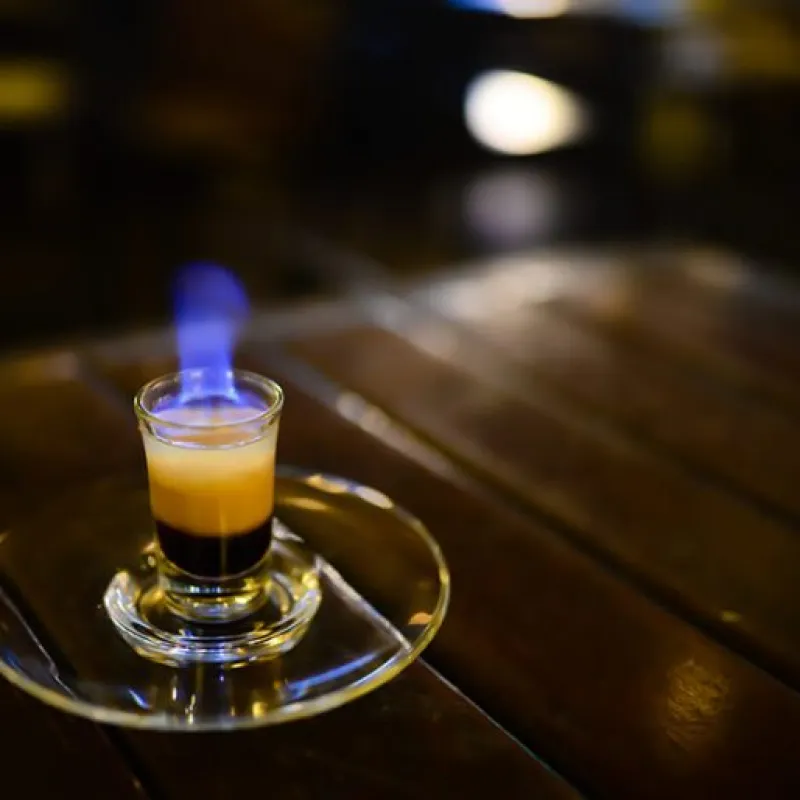
- Cream liqueurs: such as Irish cream, used in the B-52 and dessert drinks. Check the label for storage, many should be refrigerated after opening.
Note on names: in French liqueur naming, "crème de" means a liqueur with a high sugar content, not a product containing cream.
Cocktail bitters
Cocktail bitters are a different category from bitter aperitifs. They are highly concentrated extracts of herbs, roots, bark and spices, used by the dash rather than the millilitre. Their job is similar to salt in cooking: you rarely taste them directly, but a drink without them feels flat. Three bottles cover most recipes:
- Angostura bitters: aromatic, with clove, cinnamon and gentian. Used in the Old Fashioned, the Manhattan, the Champagne Cocktail and the Pisco Sour (as drops on the foam).
- Peychaud's bitters: lighter and redder, with anise and cherry notes. Essential for the Sazerac and the Vieux Carré.
- Orange bitters: dry and citrusy, a traditional part of the Martini and useful in many gin drinks.
A bottle of bitters lasts a very long time because only a few dashes go into each drink, so it is one of the best value purchases for a home bar.
Light alcohol: wine, sparkling wine and beer
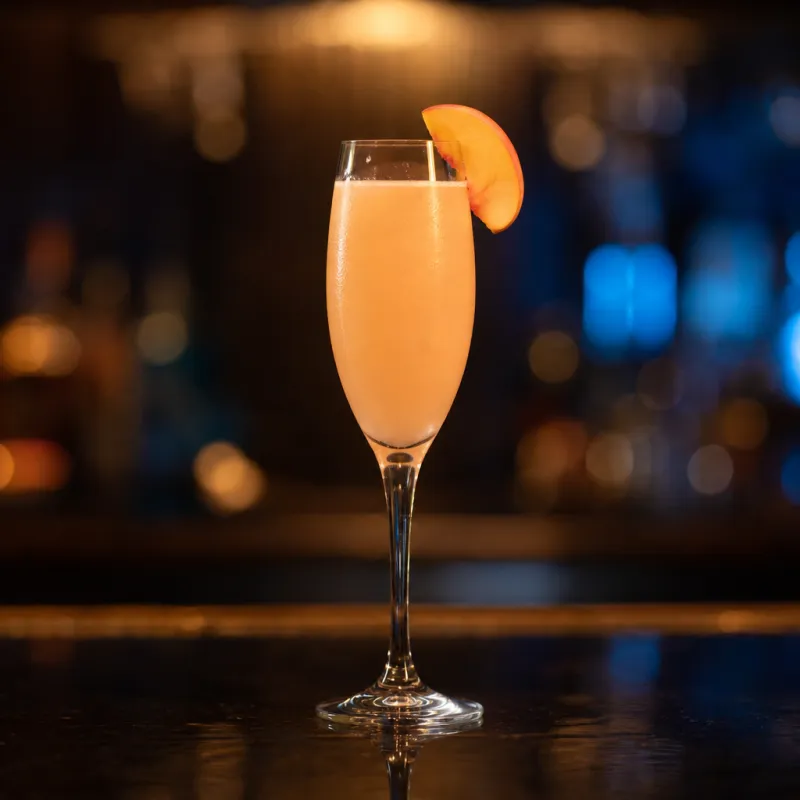
Several popular drinks rely on low-strength ingredients. Prosecco, champagne and other sparkling wines are the base of the Bellini, the Mimosa, the Hugo and the Aperol Spritz, and they top the French 75. Wine is the base of Sangria and many punches. Beer appears in the Michelada, the Shandy and other beer mixes. These drinks are usually lighter in alcohol, which makes them good aperitifs, but pay attention to volume: a large spritz can contain as much alcohol as a short cocktail.
How to use modifiers
- Measure precisely. Liqueurs are sweet, so 5 ml more can tip a drink out of balance. If a drink tastes too sweet, reduce the liqueur before you reduce the syrup.
- Taste them neat first. A small sip tells you how sweet or bitter a bottle is, and brands differ a lot.
- Think of them as sugar. In a Margarita, the orange liqueur replaces some or all of the syrup.
- Start with a few. Orange liqueur, sweet vermouth, dry vermouth and Campari cover a large share of the classics.
You will find all these products in our ingredients section, with the recipes that use them. In My Bar you can mark the bottles you own and see which drinks are possible right away.