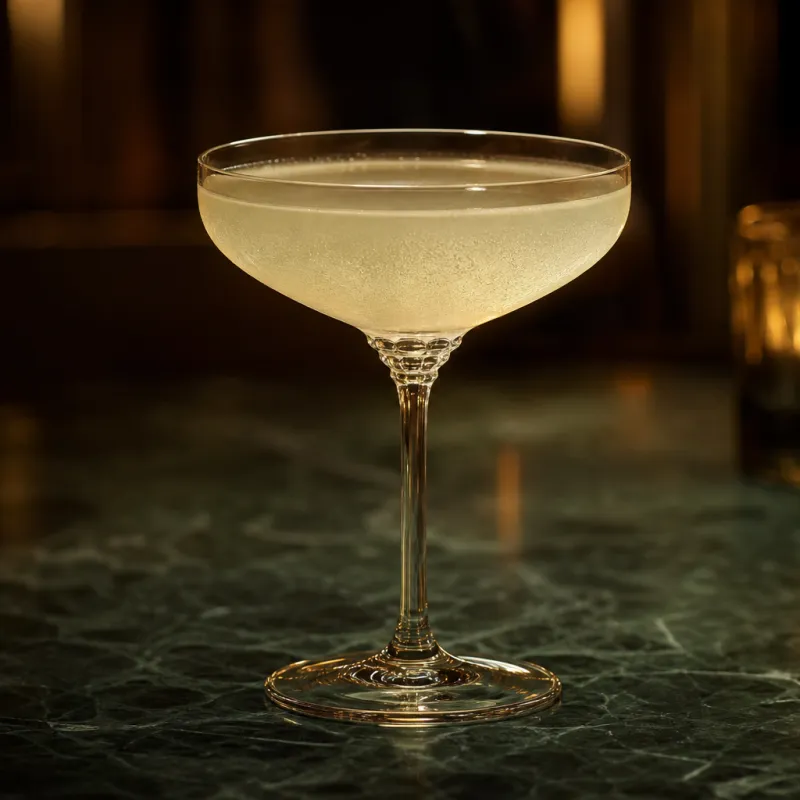
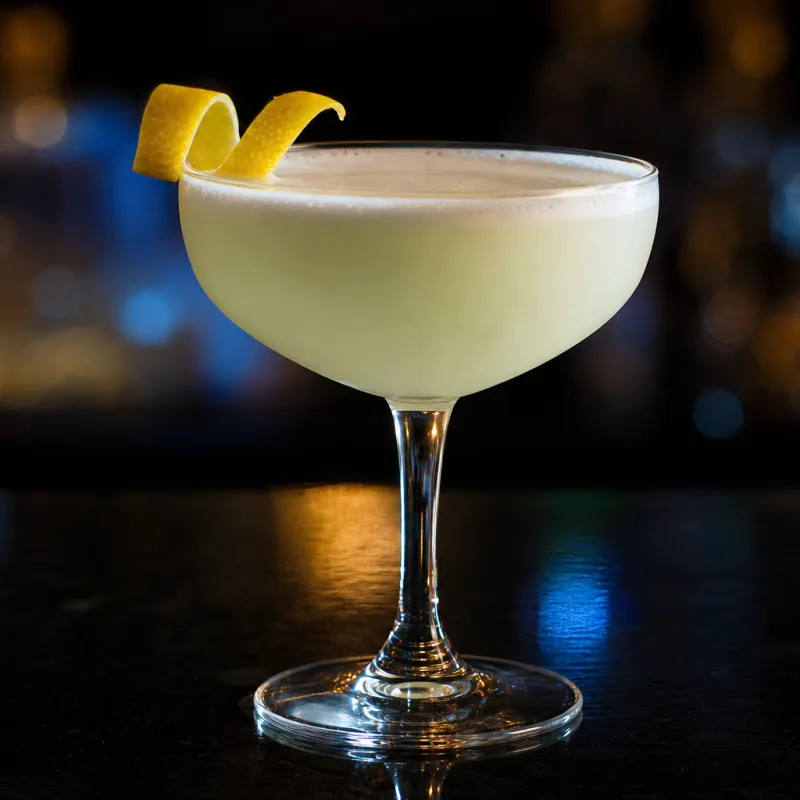
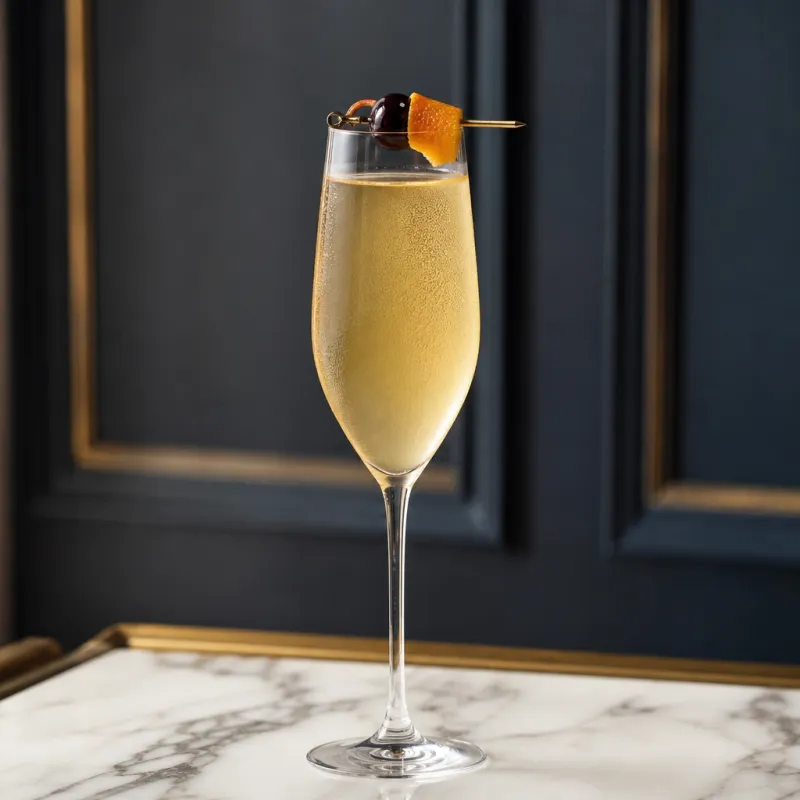
Pour champagne onto absinthe and watch the glass turn from clear green to a pale, opalescent milk. Dry bubbles carry anise, fennel and wormwood, and the result is far stronger than a glass of fizz.
3.5Editors’ rating
Taste3.6
Balance3.4
Easy to make4.8
Popularity45
Reader rating: No reader ratings yet. Be the first.
Garnish: None, served as is · Ice: Served up, no ice
Method
Chill a coupe or champagne flute.
Pour the absinthe into the glass.
Slowly top with ice-cold champagne; it will louche and turn cloudy.
Serve immediately without stirring.
Link copied
Watch it made
Death in the Afternoon
Taste
Crisp and very dry, with anise and herbal bitterness under fine bubbles. Deceptively light on the tongue but high in alcohol.
History and origin
The recipe comes from Ernest Hemingway, who contributed it to So Red the Nose, or Breath in the Afternoon, a 1935 collection of cocktails from well-known writers. The drink borrows its name from his 1932 book on Spanish bullfighting, Death in the Afternoon.
His instructions are famous for their dry humour: pour one jigger of absinthe into a champagne glass and add iced champagne until it attains the proper opalescent milkiness, then drink three to five of these slowly. Absinthe was banned in France and the United States at the time, which only added to the drink's air of mischief. Today most bartenders use a smaller measure of absinthe than his generous jigger.
Bartender tips
Start with 20 to 30 ml absinthe; Hemingway's full jigger is very intense.
Both absinthe and champagne must be cold, otherwise the drink goes flat and hot tasting.
A dry Crémant or Cava works well if you do not want to open champagne.
Variations
Classic spec
Use a full 45 ml of absinthe, as in Hemingway's original instructions.
Easy twist: sugar cube
Place a sugar cube soaked in absinthe in the glass before topping up, for a softer, rounder drink.
Frequently asked questions
Why does the drink turn cloudy?
Essential oils from anise and fennel are soluble in alcohol but not in water. When the champagne dilutes the absinthe, they come out of solution and create the milky louche.
Who invented Death in the Afternoon?
Ernest Hemingway, who published the recipe in the 1935 book So Red the Nose, or Breath in the Afternoon.
Can I use pastis instead of absinthe?
You can, but pastis is sweeter and lower in alcohol, so the drink will taste more of liquorice and less of herbs.
The perfect sound
Spanish guitar and 1930s swing
A Hemingway afternoon between bullfight and bubbles.