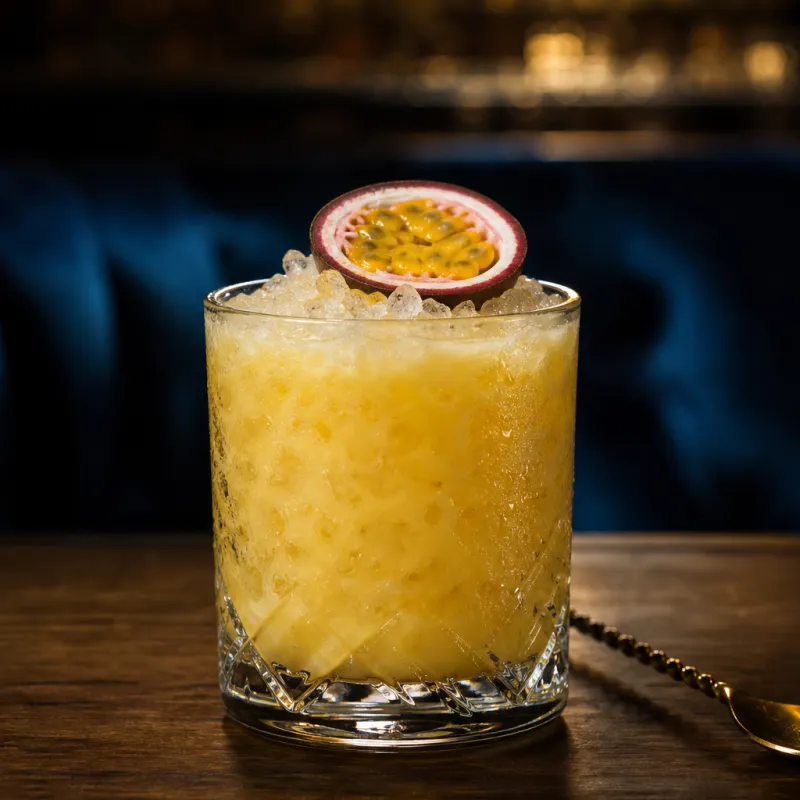
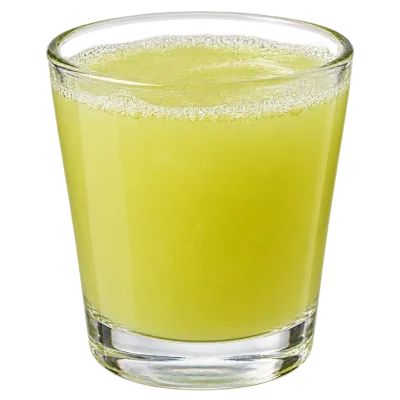
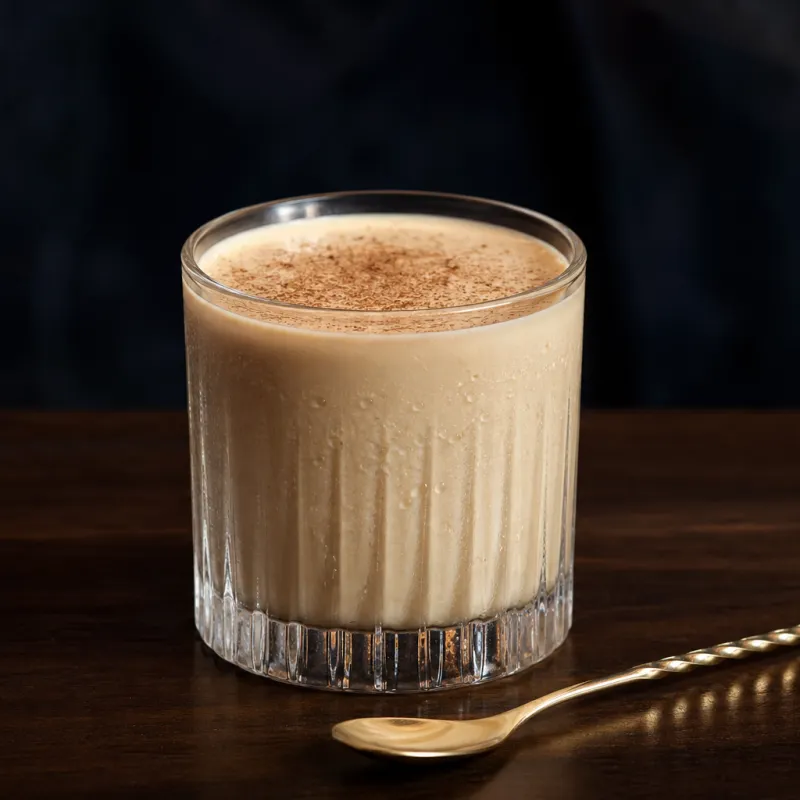
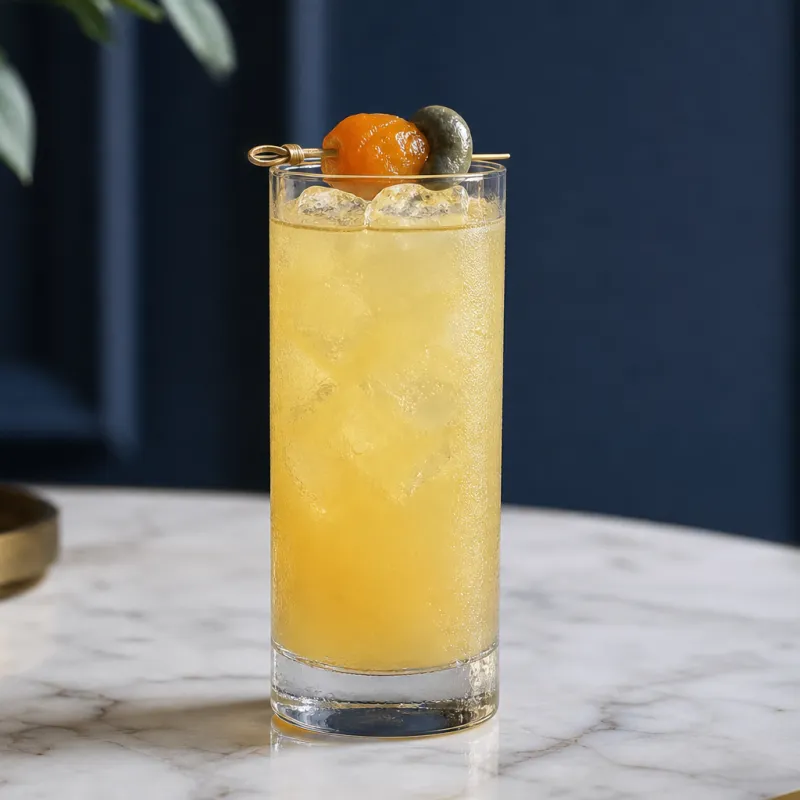
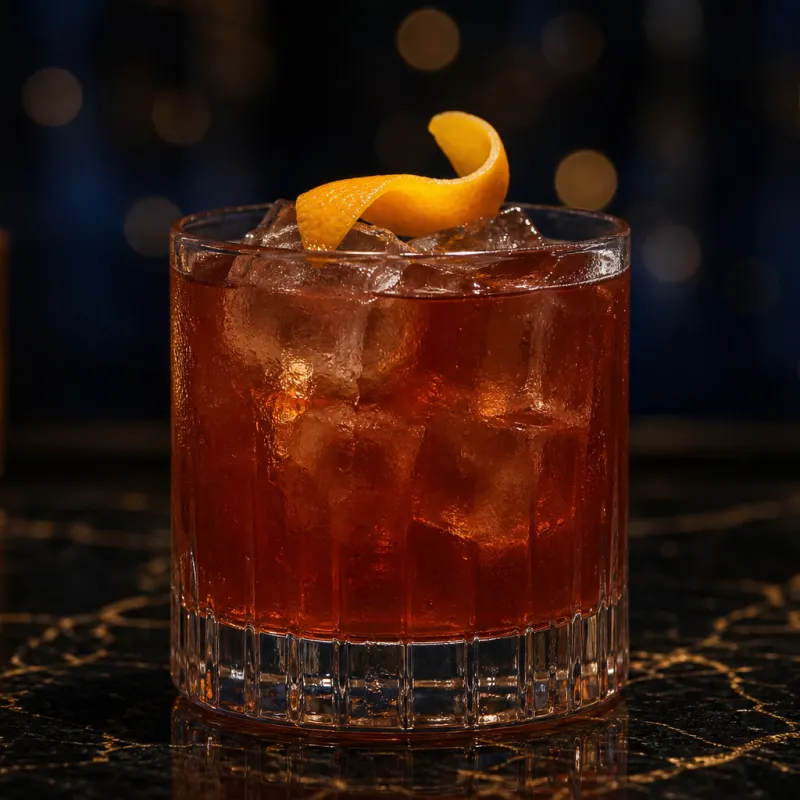
Sweet, tart passion fruit, rich coconut and the grassy bite of cachaça, shaken until frothy and poured over crushed ice. The Batida is Brazil's answer to a milkshake with a kick, and it tastes like a beach bar in Bahia.
4Editors’ rating
Taste4.1
Balance3.9
Easy to make3.6
Popularity40
Reader rating: No reader ratings yet. Be the first.
Garnish: None, or a passion fruit half · Ice: Crushed ice
Method
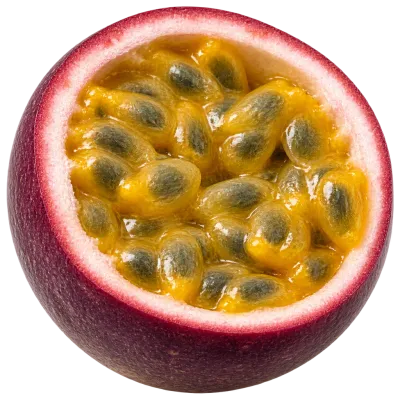
Add cachaça, passion fruit pulp, coconut milk, condensed milk and lime juice to a shaker.
Stir briefly to dissolve the condensed milk.
Fill with ice and shake hard for 12 to 15 seconds.
Strain into a rocks glass filled with crushed ice.
Link copied
Watch it made
Batida
Taste
Tart tropical passion fruit and creamy coconut with a caramel sweetness from the condensed milk and a grassy, sugarcane warmth from the cachaça. Rich, smooth and fairly light.
History and origin
"Batida" comes from the Portuguese verb "bater", to beat or shake, and describes both the method and a whole family of Brazilian drinks. A batida is cachaça shaken or blended with fruit juice or pulp and sugar, and often with sweetened condensed milk or coconut milk for a creamy texture.
Batidas are sold at beach kiosks, street bars and parties all over Brazil, and there are countless flavours, including batida de coco (coconut), de maracujá (passion fruit) and de amendoim (peanut). There is no single inventor; the drink grew out of everyday Brazilian drinking culture. The version here combines two favourite flavours, passion fruit and coconut.
Bartender tips
Shake the coconut milk can well before opening; the cream separates from the water.
Adjust the condensed milk to the ripeness of your passion fruit: sour fruit needs a little more.
For a party, blend all ingredients with ice to make a frozen batida.
Variations
Batida de Coco
Cachaça with coconut milk, condensed milk and sugar, without fruit.
Batida de Maracujá
Cachaça, passion fruit and sugar or condensed milk, without coconut.
Frequently asked questions
What does batida mean?
It comes from the Portuguese "bater", meaning to beat or shake, which describes how it is made.
Can I use rum instead of cachaça?
Yes, a white rum works, but cachaça gives the grassy, sugarcane flavour that makes a batida Brazilian.
Is a Batida the same as a Caipirinha?
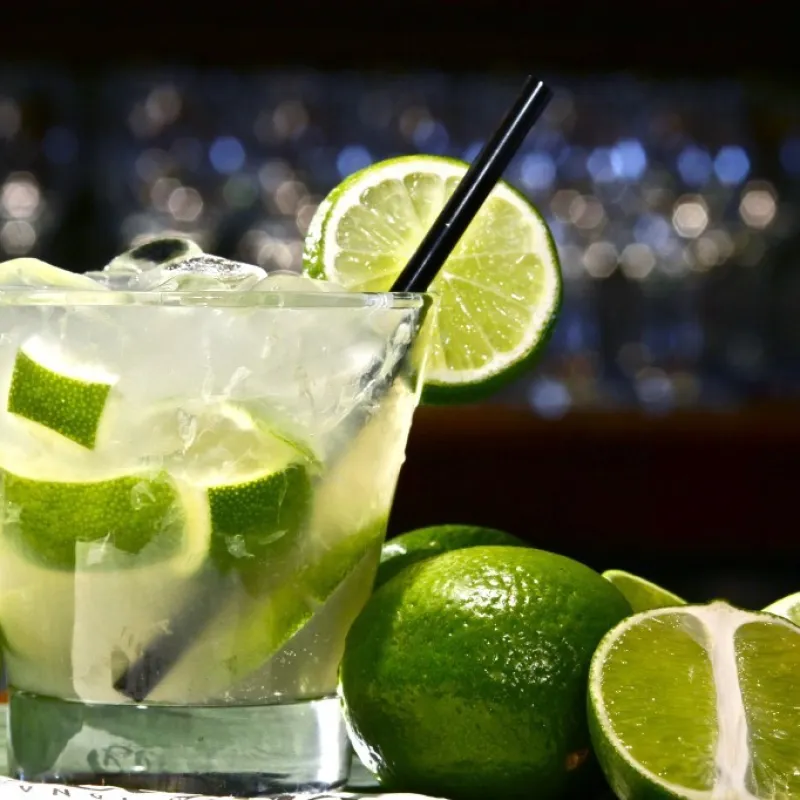
No. Both use cachaça, but the Caipirinha is made with muddled lime and sugar, the Batida with fruit and often milk or coconut.