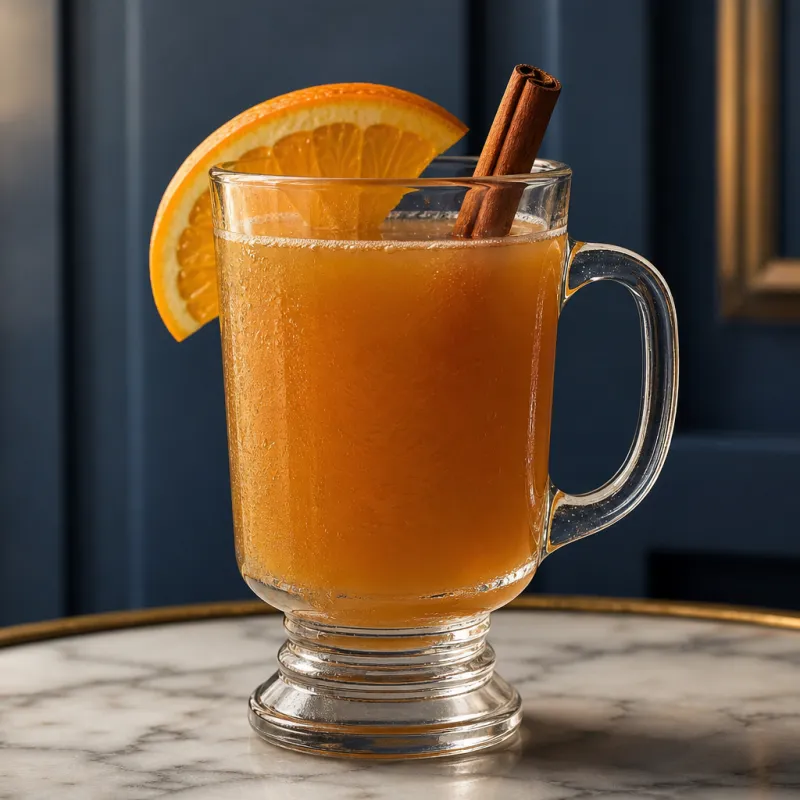
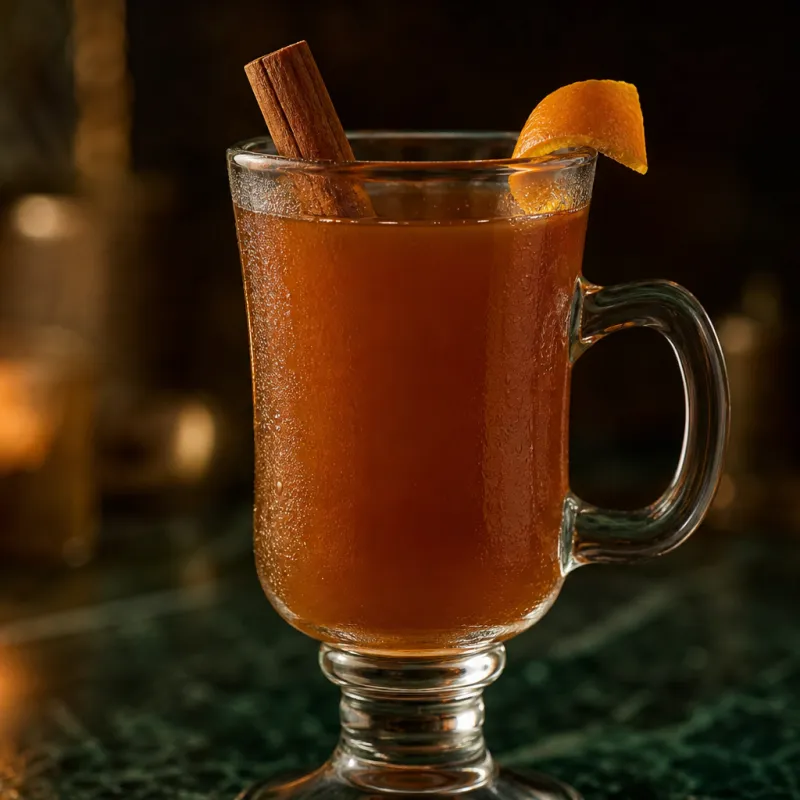
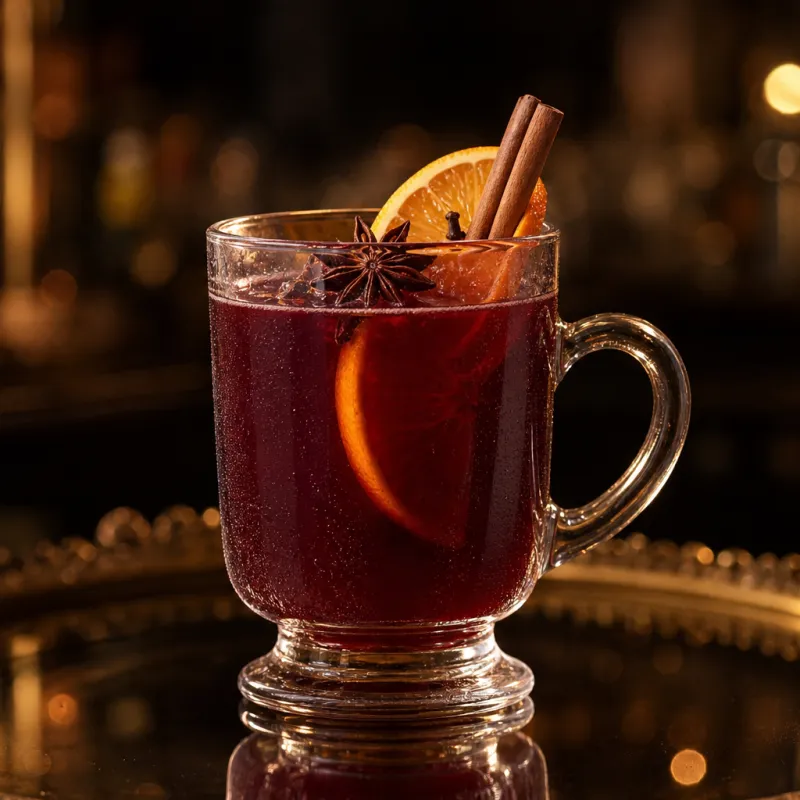
The kitchen fills with the smell of burnt sugar, ginger and clove long before the cachaça goes in. Served in a mug with a slice of orange, it is sweet, sharp with ginger and warming right to the fingertips.
3.8Editors’ rating
Taste3.9
Balance3.8
Easy to make3.3
Popularity15
Reader rating: No reader ratings yet. Be the first.
Garnish: Orange slice and cinnamon stick · Ice: Served up, no ice
Method
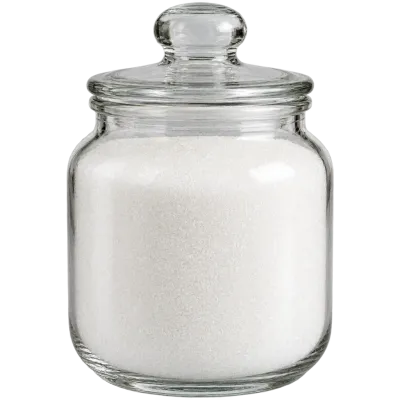
Heat the sugar in a large pot over medium heat until it melts into a light golden caramel.
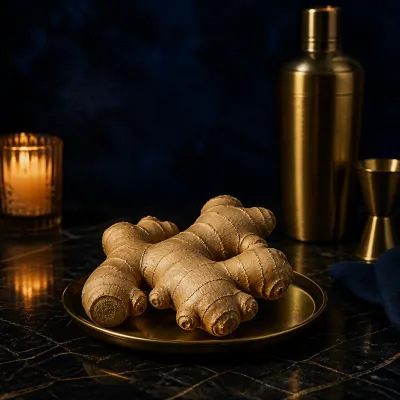
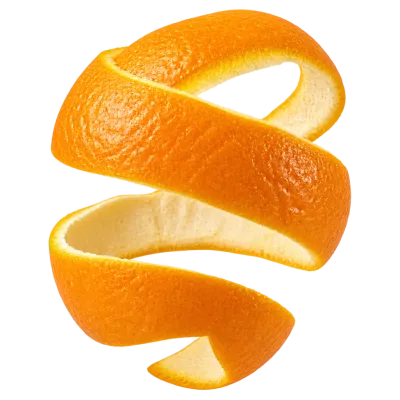
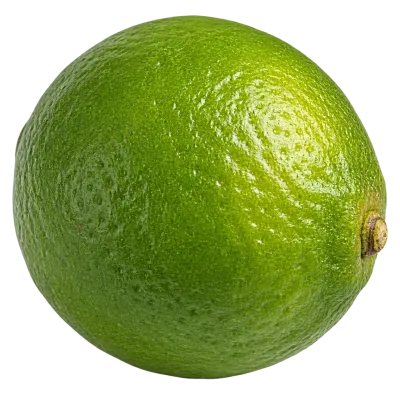
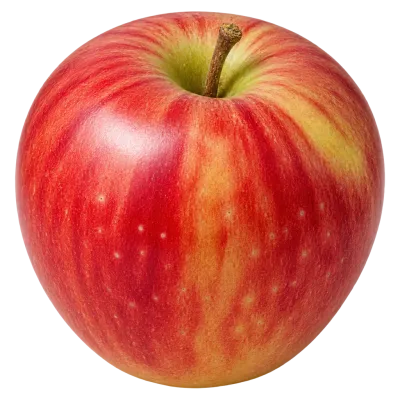
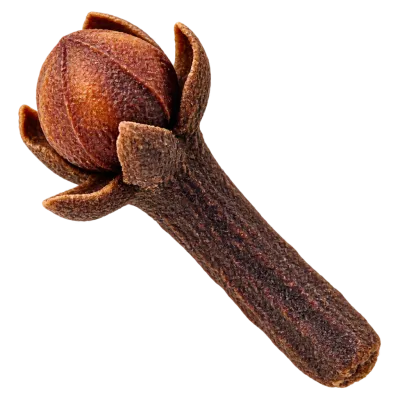
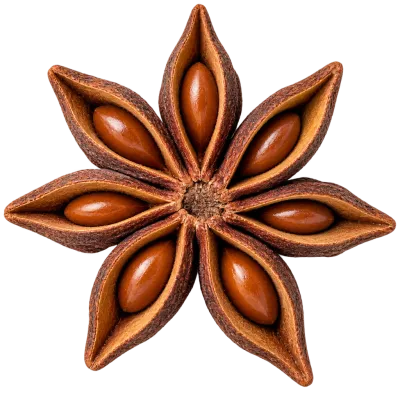
Add ginger, spices, orange peel, lime and apple, then carefully pour in the water while stirring (it will spit and bubble).
Simmer for 10 to 15 minutes until the caramel has dissolved and the spices have infused.
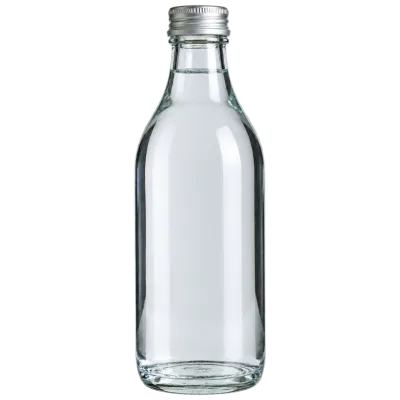
Reduce the heat, add the cachaça and warm gently without boiling, then cover and leave for 15 minutes.
Strain into mugs and serve with orange slices.
Link copied
Watch it made
Quentão
Taste
Sweet and caramelly with a sharp ginger heat, warm clove and cinnamon, and a gentle cachaça warmth. Moderately strong when served hot.
History and origin
Quentão is the classic hot drink of the Festas Juninas, the June festivals held across Brazil around the feast days of Saint Anthony, Saint John and Saint Peter. They fall in the southern hemisphere winter, and bonfires, corn dishes, square dances and hot drinks belong to them. The name comes from quente, Portuguese for hot, and means something like the big hot one.
The base is almost always the same: sugar caramelised in a pot, then simmered with water, fresh ginger, cloves, cinnamon and citrus peel, before cachaça is added. In southern Brazil, especially in Rio Grande do Sul, the name is also used for a version based on red wine, closer to mulled wine. Every family has its own balance of sugar, spice and alcohol.
Bartender tips
Stop the caramel at a light golden colour: dark caramel turns bitter once the water goes in.
Do not boil after adding the cachaça or much of the alcohol and aroma will cook off.
For a lighter drink, add another 250 ml water and reduce the cachaça slightly.
Variations
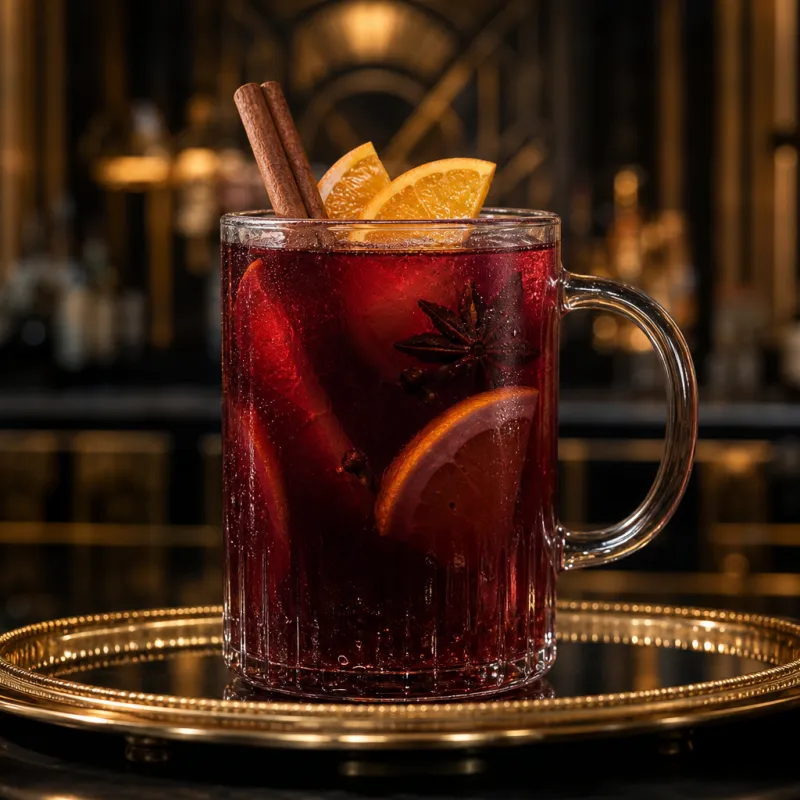
Quentão de vinho
The southern Brazilian style made with red wine instead of cachaça, similar to mulled wine.
Quentão sem álcool
An easy alcohol-free version: make the spiced caramel base and lengthen it with apple juice instead of cachaça.
Frequently asked questions
What does quentão mean?
It comes from quente, Portuguese for hot, and roughly means the big hot one.
When is quentão served?
Traditionally during the Festas Juninas in June and July, the Brazilian winter festivals.
Can I use rum instead of cachaça?
Yes, a light rum works, though cachaça gives the drink its grassy, typically Brazilian character.