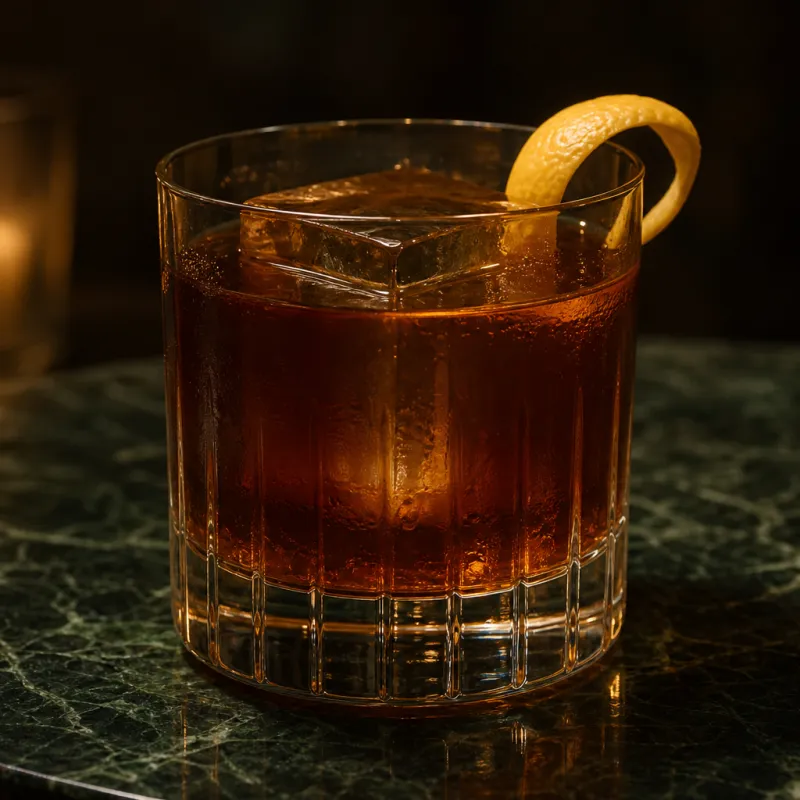
Grassy, sugarcane-bright cachaça softened by the spice and bitter herbs of a red vermouth. It is simple, quick and dark red in the glass, and a splash of Cynar gives it an earthy bitter edge.
4Editors’ rating
Taste4.1
Balance4
Easy to make3.8
Popularity8
Reader rating: No reader ratings yet. Be the first.
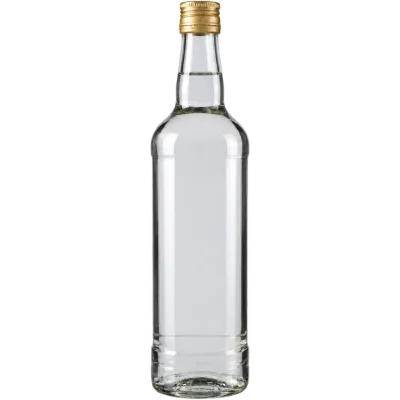
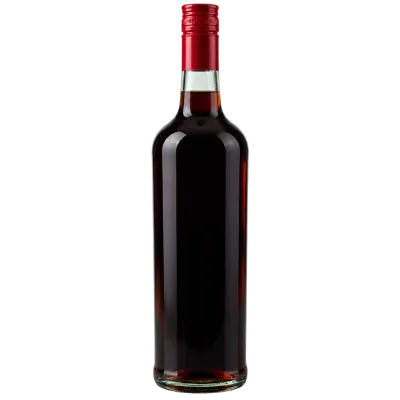
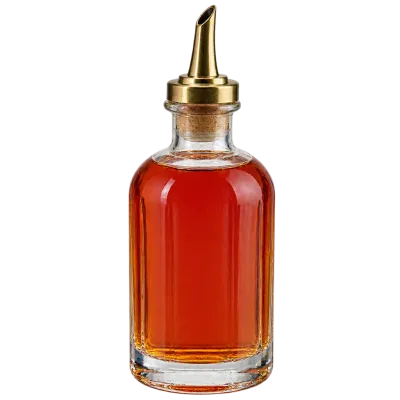
Add cachaça, sweet vermouth and, if using, Cynar and bitters to a mixing glass.
Fill with ice and stir for about 20 seconds.
Strain into a rocks glass over fresh ice.
Express an orange peel over the top and drop it in.
Link copied
Watch it made
Rabo de Galo
Taste
Sweet and herbal with grassy sugarcane notes and a gently bitter finish. Strong and spirit-forward, like a short Manhattan.
History and origin
Rabo de galo means cock's tail in Portuguese, a literal translation of the English word cocktail. In Brazil the name stands for one specific drink: cachaça mixed with red vermouth, served for decades in simple botecos, the neighbourhood bars of São Paulo and other cities.
A popular account links its rise to the 1950s, when Italian vermouth producers such as Cinzano set up production in Brazil and looked for a way to sell red vermouth to a country that mainly drank cachaça. Mixing the two was the obvious answer. Modern Brazilian bartenders have rediscovered the drink and often add Cynar, which is also popular in Brazil, for a more bitter, complex version.
Bartender tips
Use an unaged cachaça for the classic grassy taste; an aged one makes it rounder and woodier.
Start with 2 to 1 cachaça to vermouth and adjust to taste.
In a simple boteco it is just poured over ice in the glass: perfectly fine when you are in a hurry.
Variations
Rabo de Galo with Cynar
Add 10 to 15 ml Cynar for the popular modern bitter version.
Cachaça Manhattan
An easy twist: aged cachaça, sweet vermouth and two dashes of Angostura, served up in a coupe.
Frequently asked questions
What does rabo de galo mean?
Cock's tail, a Portuguese translation of the English word cocktail.
Is Rabo de Galo strong?
Yes, it is made only of cachaça and vermouth, so it is similar in strength to a Manhattan.
Which vermouth should I use?
A classic Italian red vermouth. Cinzano Rosso is traditional in Brazil, but any good rosso works.