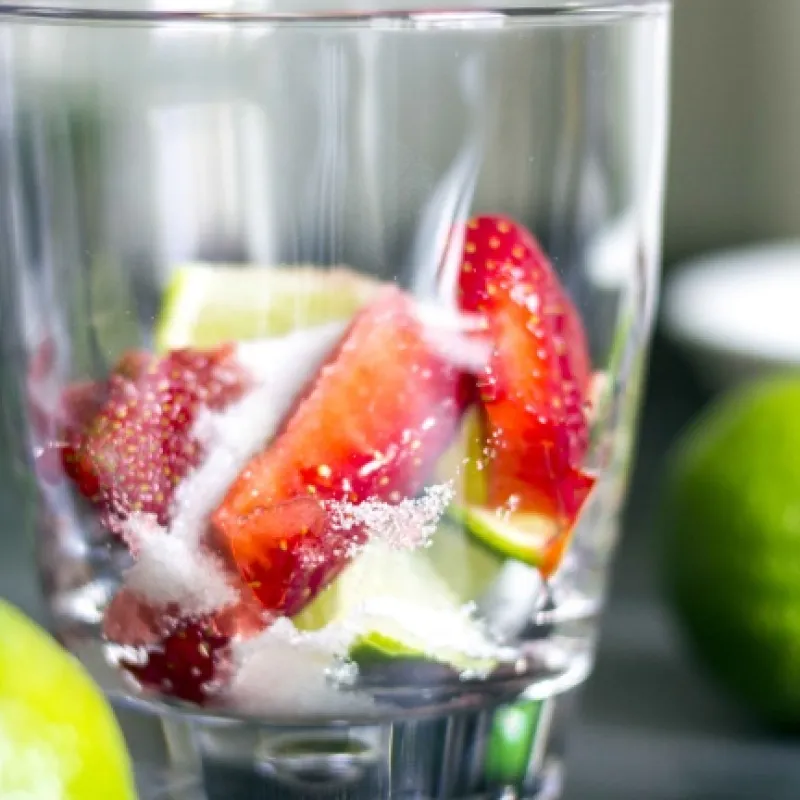
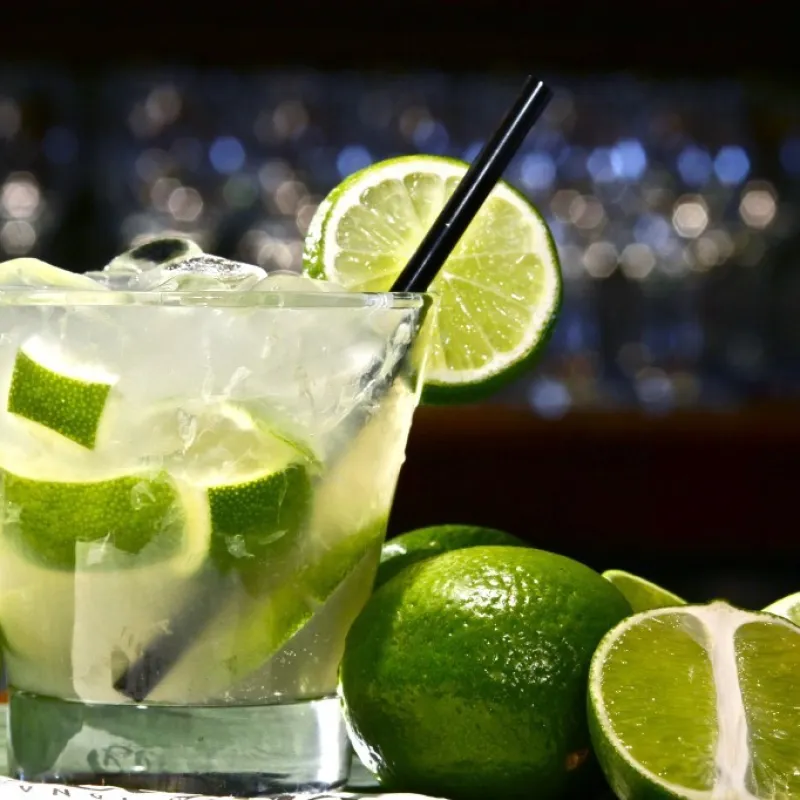
Crush a few ripe strawberries along with the lime and sugar, and the classic Caipirinha turns deep red and a little softer. The lime oils and grassy cachaça are still there, but the berries add juicy sweetness that makes it one of the most popular fruit versions of the drink.
4Editors’ rating
Taste4.1
Balance4
Easy to make4.3
Popularity40
Reader rating: No reader ratings yet. Be the first.
¼ ozstrawberry syrup only if the berries lack sweetness (optional)
Garnish: Strawberry and lime wedge · Ice: Crushed ice
Method
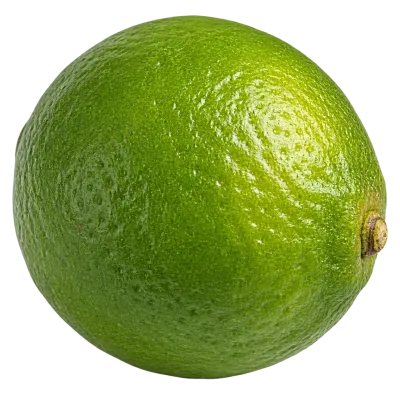
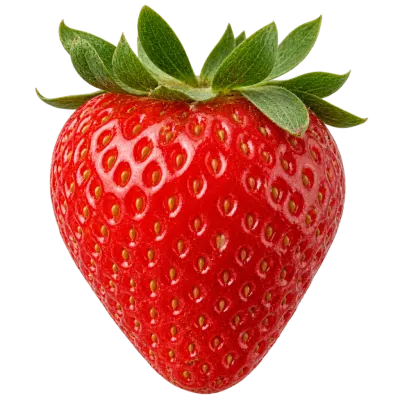
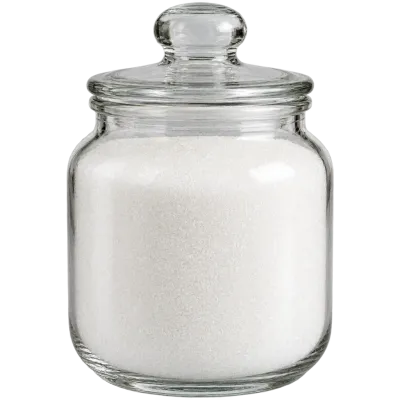
Place lime wedges, halved strawberries and sugar in a sturdy rocks glass.
Muddle firmly to press out the juice and lime oils, and to dissolve most of the sugar.
Fill the glass with crushed ice.
Pour over the cachaça and stir from the bottom up with a bar spoon.
Top with a little more crushed ice and garnish with a strawberry and a short straw.
Link copied
Watch it made
Strawberry Caipirinha
Taste
Fresh strawberry and zesty lime with a grassy, slightly funky cachaça backbone. Strong but refreshing, and it softens as the crushed ice melts.
History and origin
The Caipirinha is Brazil's national cocktail and is recognised by the IBA as a classic. Its basic idea, lime and sugar muddled with cachaça, the sugarcane spirit made from fresh cane juice, goes back well into the 20th century. Its exact origin is disputed; one widely told story links it to a lime, garlic and honey remedy from the state of São Paulo.
In Brazil, fruit versions are often called caipifruta and are sold at beach kiosks with whatever fruit is in season. Strawberry is among the most common, and fruit versions spread quickly in Germany when the Caipirinha became a bar staple there in the 1990s. Fresh berries give a brighter result than strawberry syrup.
Bartender tips
Remove the white pith in the centre of the lime before muddling; it makes the drink bitter.
Press the lime rather than grinding it; you want juice and oils from the skin, not shredded peel.
Taste before serving: sweet, ripe berries rarely need the syrup, while winter strawberries often do.