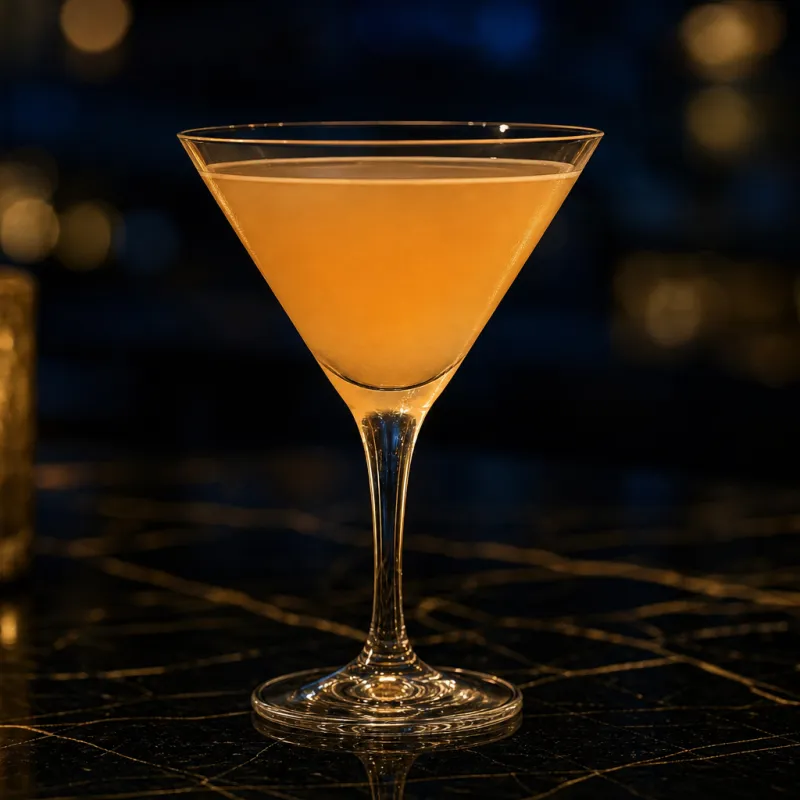
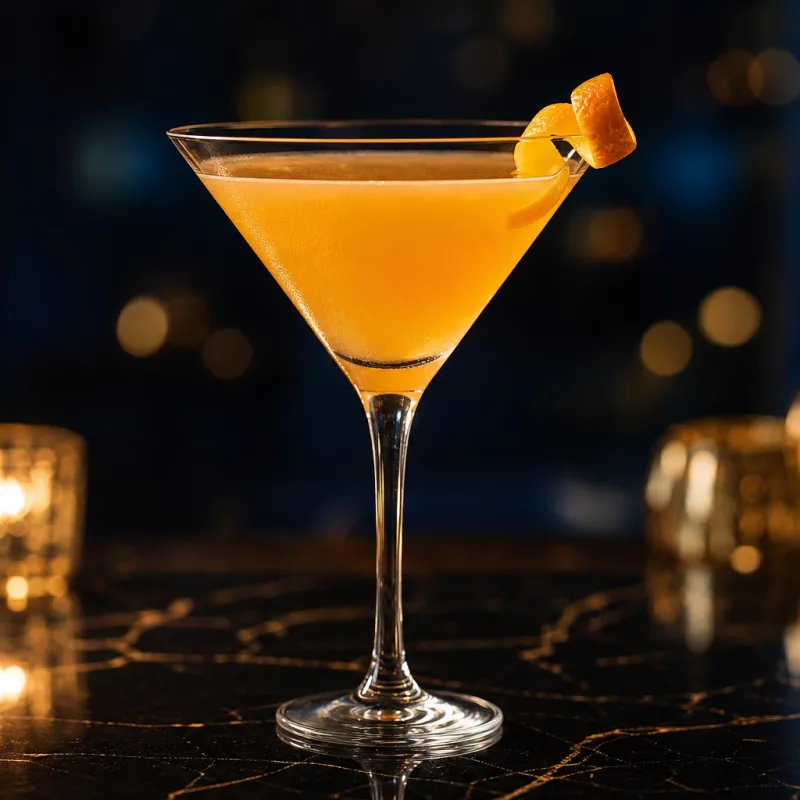
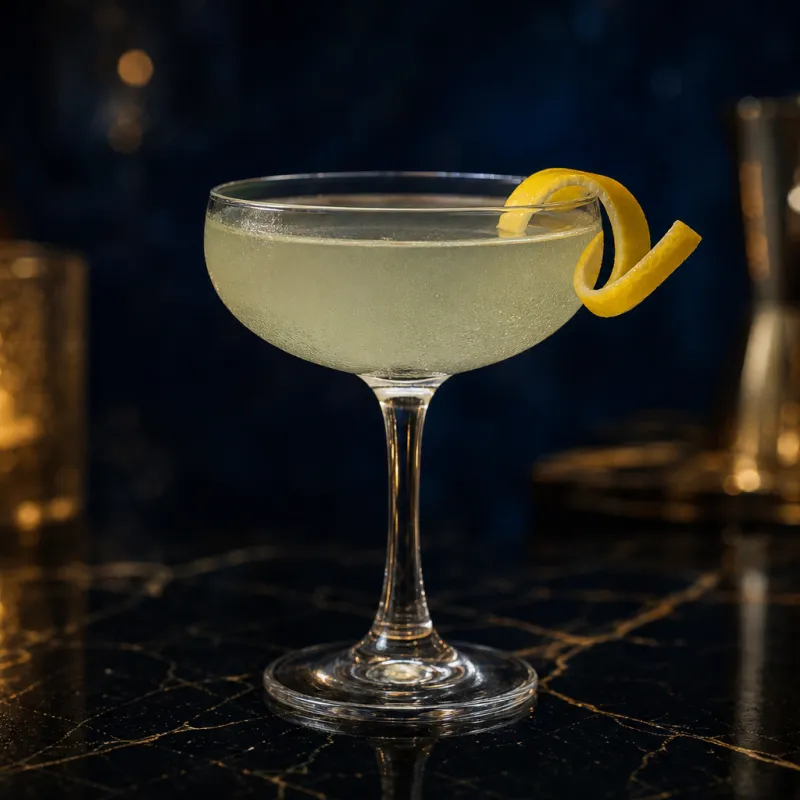
Three ingredients, equal measures and no citrus at all. The Angel Face tastes of ripe apricot and baked apple on a dry gin frame, and its innocent name hides a seriously strong drink.
3.7Editors’ rating
Taste3.8
Balance3.6
Easy to make3.8
Popularity22
Reader rating: No reader ratings yet. Be the first.
Garnish: None (optional lemon twist, discarded) · Ice: Served up, no ice
Method
Chill a cocktail glass.
Add gin, apricot brandy and calvados to a shaker filled with ice.
Shake hard for 10 to 12 seconds.
Double strain into the chilled glass.
Link copied
Watch it made
Angel Face
Taste
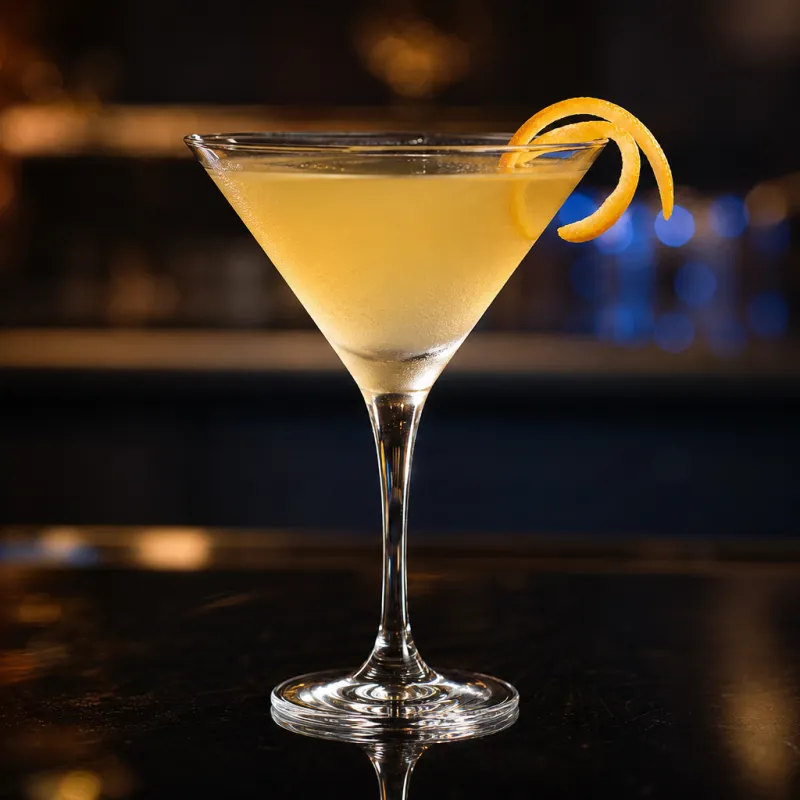
Ripe apricot and red apple over dry juniper, with a warming, spirit-forward finish. Fruity rather than sweet, and noticeably strong.
History and origin
The Angel Face appears in Harry Craddock's "The Savoy Cocktail Book", published in London in 1930 and one of the most influential bar books of the 20th century. Craddock ran the American Bar at the Savoy Hotel, and his book collected both his own drinks and popular recipes of the era. Whether he created the Angel Face himself is not recorded.
The drink follows a common pattern of its time, combining gin with fruit brandies and liqueurs rather than citrus. It is sometimes linked to Prohibition-era drinking, but the documented source is the Savoy book. The International Bartenders Association includes the Angel Face in its "Unforgettables" list with gin, apricot brandy and calvados in equal parts.
Bartender tips
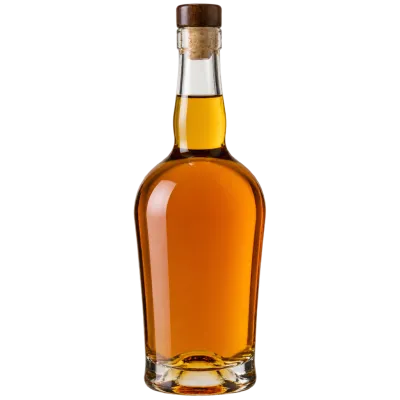
"Apricot brandy" in classic recipes usually means an apricot liqueur; choose one that tastes of real fruit and is not overly sugary.
Although it has no juice, the IBA shakes this drink; stirring gives a silkier, clearer version if you prefer.
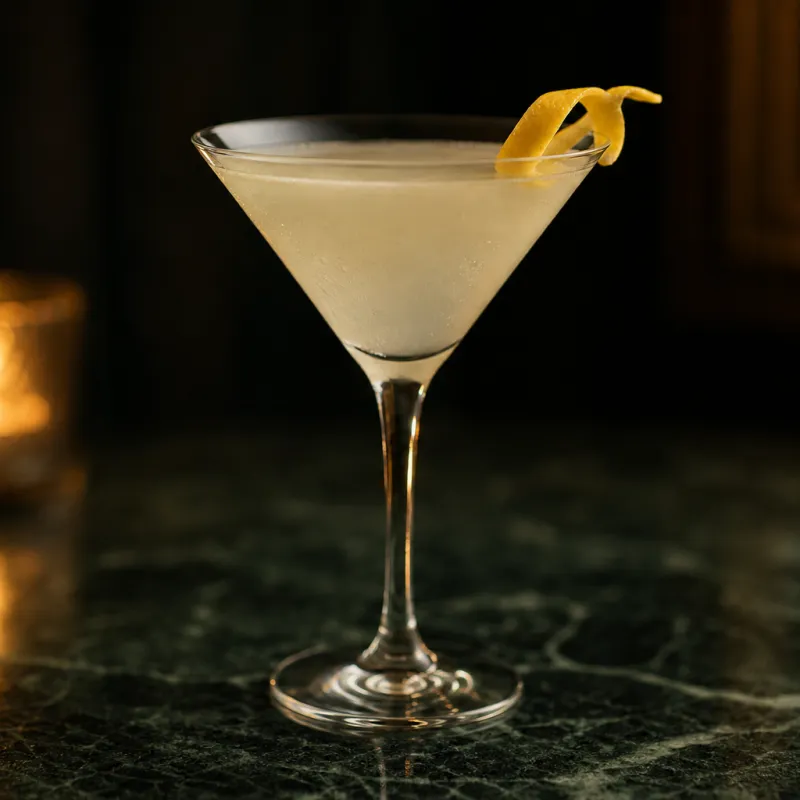
A thin lemon twist, expressed and discarded, freshens the nose without changing the recipe.
Variations
Angel Face stirred (twist)
Stir instead of shaking for a clearer, denser texture.