Ice is the most used ingredient in any bar and the one people think about least. It chills the drink, dilutes it to the right strength and, in the glass, controls how the drink changes as you sip. Better ice is one of the cheapest ways to make better cocktails at home.
Why ice matters so much
A cocktail is not finished when the ingredients are combined. Shaking or stirring over ice adds water, often a quarter or more of the final volume, and that water is part of the recipe. Too little and the drink tastes hot and sharp; too much and it tastes thin. Ice that is small, wet or half melted dilutes faster than hard, dry, cold ice, which is why the quality of your ice changes the taste of the drink.
Types of ice
Standard cubes
Solid cubes of around 2.5 to 3 cm are the workhorse. Use them for shaking, stirring and for most highballs. Hard, dry cubes straight from a cold freezer are best. Avoid the small, hollow or half-moon shapes from some ice machines, which melt quickly.
Large cubes and spheres
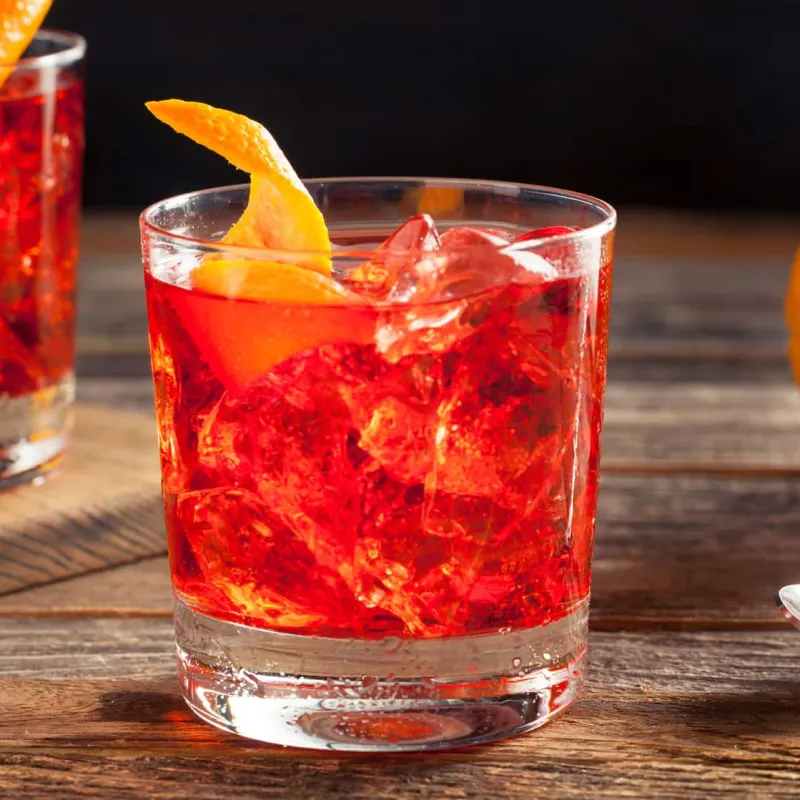
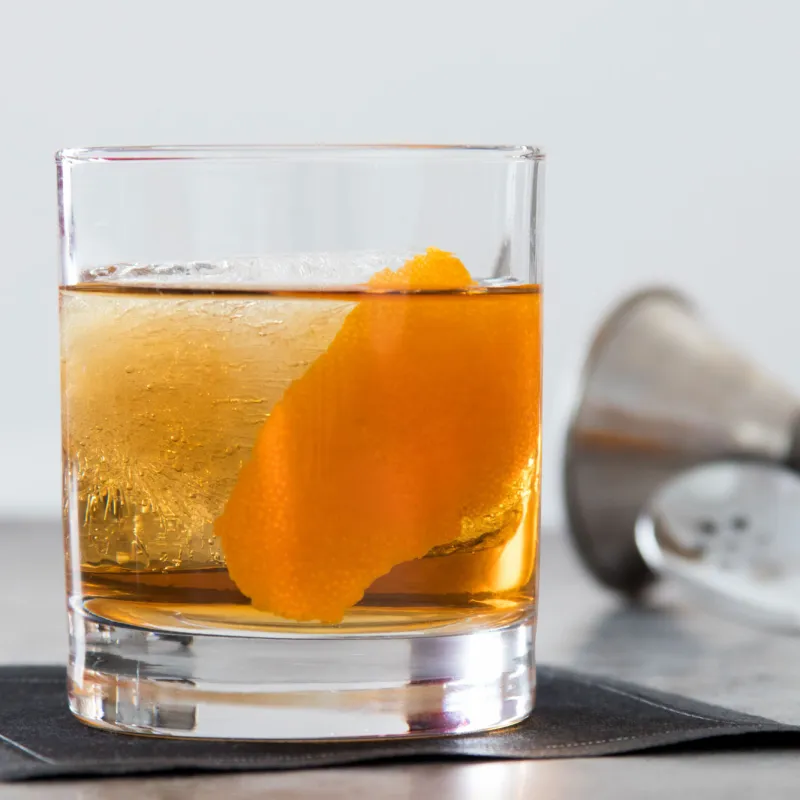
A single large cube of 5 cm or more has less surface area relative to its volume, so it melts slowly. It is ideal for spirit-forward drinks served on the rocks, such as the Old Fashioned or the Negroni, and for sipping whisky. Silicone moulds make them easy to produce.
Crushed ice
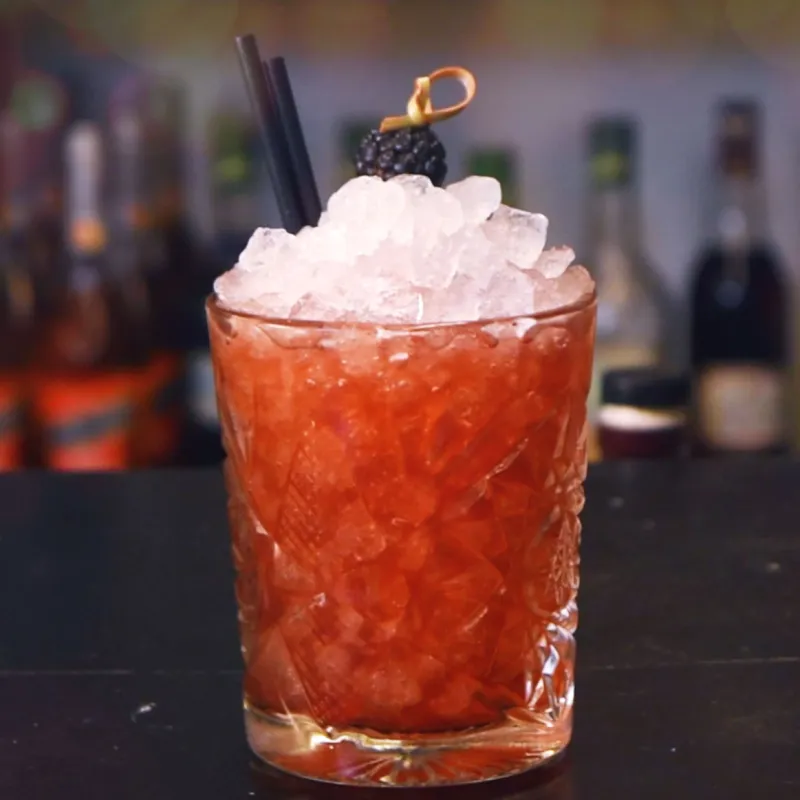
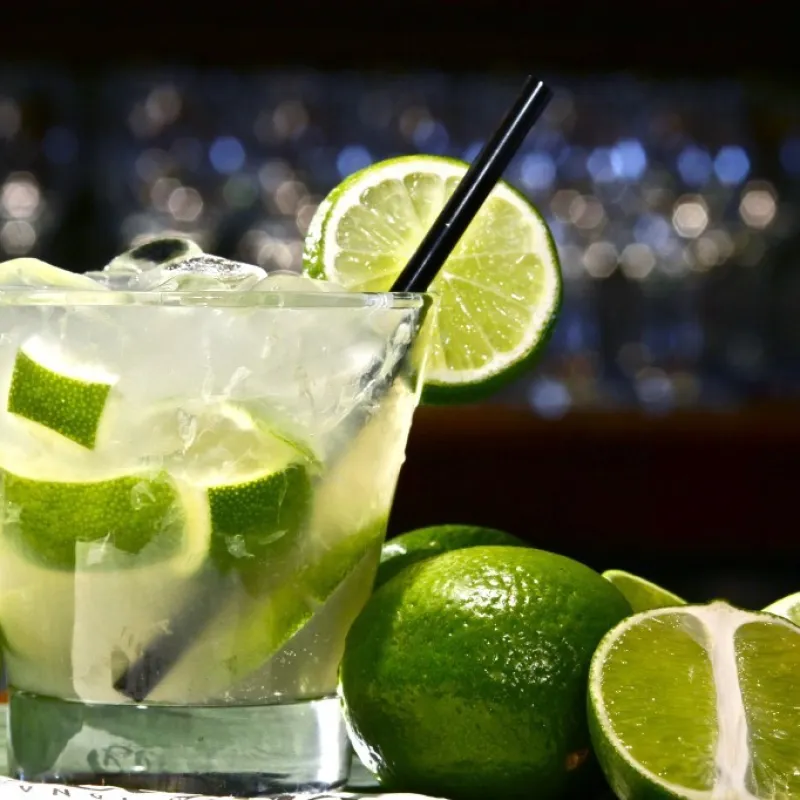
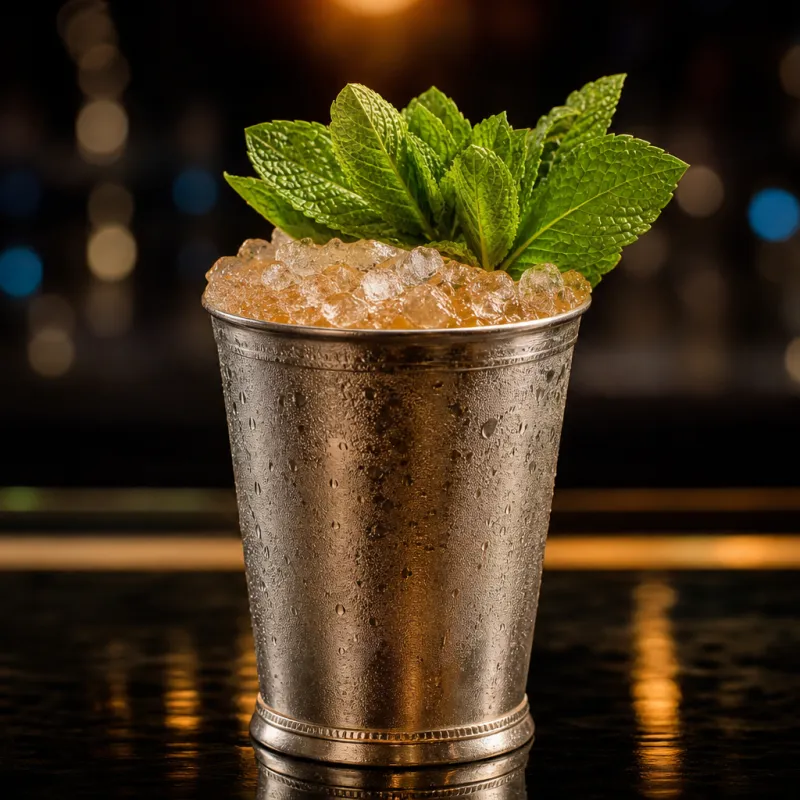
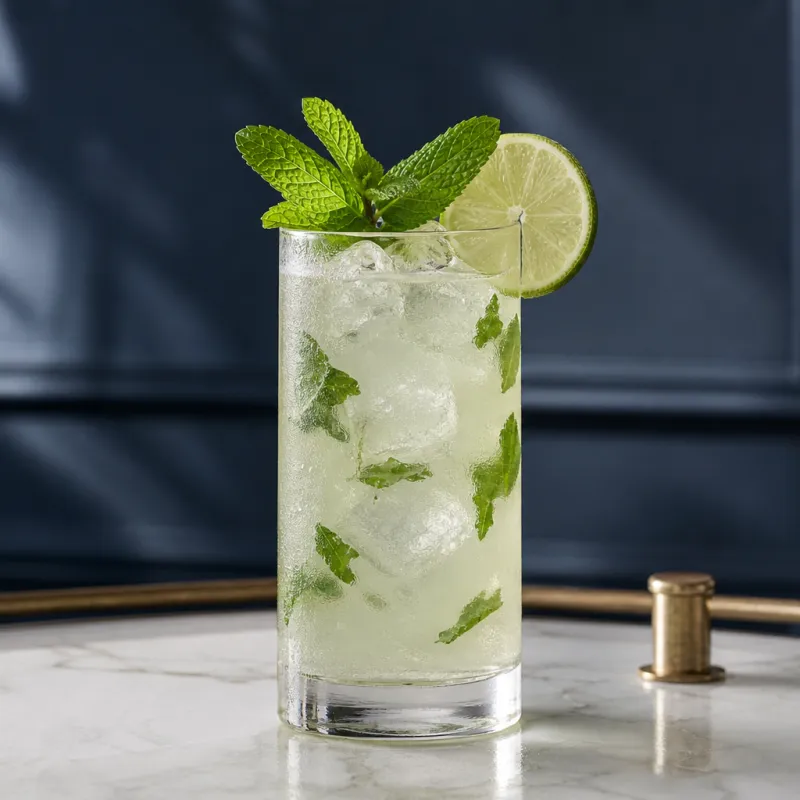
Small pieces that chill fast and dilute quickly. That is intended for drinks such as the Mint Julep, the Mojito, the Caipirinha, the Bramble, swizzles and many tiki drinks, which are strong or sweet and designed to open up as the ice melts. Make it by wrapping cubes in a clean tea towel or canvas bag and hitting them with a mallet or rolling pin.
Cracked ice
Cubes broken into a few rough pieces, between cubes and crushed ice. Useful for some shaken drinks and for filling a julep cup.
Pebble and nugget ice
Small, soft, chewable pellets from special machines, popular in tiki bars. Crushed ice is a good substitute at home.
Clear ice at home
Normal freezer ice is cloudy because water freezes from all sides at once, trapping air bubbles and dissolved minerals in the middle. Clear ice looks beautiful and is dense, and you can make it with a method called directional freezing:
- Fill a small insulated cooler box (without its lid) with water, leaving some space at the top.
- Put it in the freezer. Because the sides and bottom are insulated, the water freezes slowly from the top down.
- After about 18 to 24 hours, before it freezes completely, remove the block. The top part will be clear, the cloudy part at the bottom can be discarded.
- Let the block rest for a few minutes, then cut it into cubes with a serrated knife.
Freezing times vary with the freezer and the size of the box, so check the first time you try. Boiling or filtering the water first helps a little, but directional freezing is what makes the real difference.
Handling and storage
- Keep ice sealed. Ice absorbs smells from the freezer. Store it in closed containers or freezer bags.
- Use fresh ice. Ice that has been in an open tray for weeks tastes stale.
- Use clean water. If your tap water tastes strongly of chlorine or minerals, filtered water gives better ice.
- Never reuse shaking ice. Strain the drink onto fresh ice in the glass. The ice in the shaker is broken and partly melted.
- Handle with a scoop or tongs, never with a glass, which can chip into the ice.
How much ice you need
More than you think. A shaker should be at least two thirds full of ice, and a highball glass should be filled to the top. A full glass stays colder, and the ice melts more slowly than a few cubes floating in a warm drink. For a party, plan generously: many hosts count on at least half a kilo to a kilo of ice per guest, more in summer or if you serve drinks on crushed ice. Buying bagged ice from a shop is perfectly fine for big events.
Ice in alcohol-free drinks
Dilution works the same way in mocktails, but without alcohol to carry flavour, too much water makes a drink taste weak very quickly. Use large, cold cubes and chilled ingredients. Every recipe in our cocktail collection tells you which ice to use, and the right tools are listed under bar tools.