No single change improves home cocktails as much as switching to freshly squeezed citrus. Bottled lime and lemon juice is pasteurised or preserved, and it loses the bright, aromatic edge that makes a Daiquiri or a Whiskey Sour taste alive. This guide covers the juices used most often in cocktails, how to get the best from them and how long they keep.
Lime and lemon: the essential pair
Lime and lemon provide the sour element in the large family of sours. They are not interchangeable in every drink:
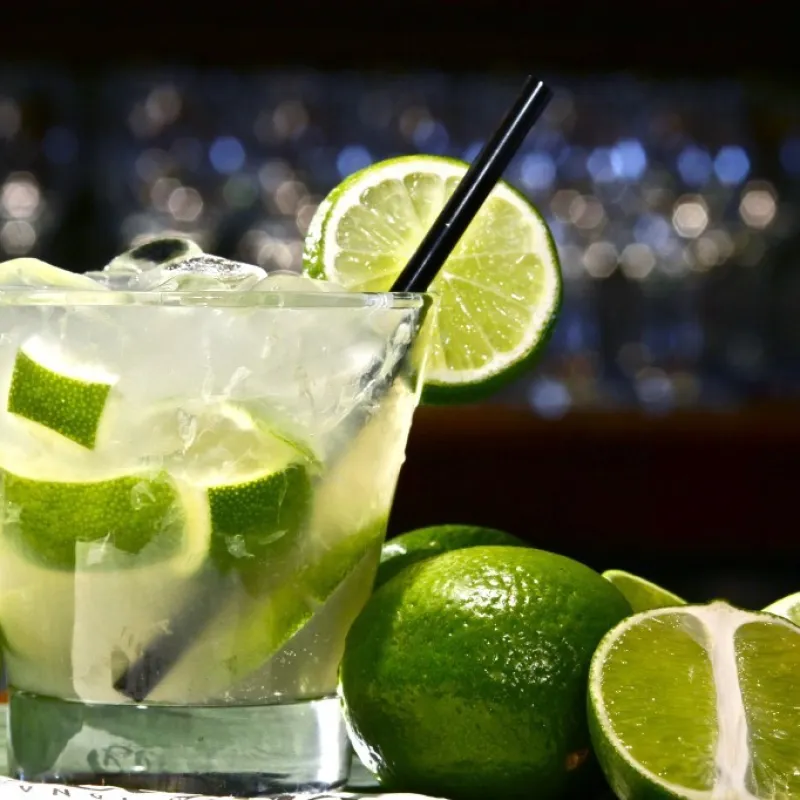
- Lime is sharper and more aromatic, with a slightly bitter edge. It is the standard for the Daiquiri, the Margarita, the Mojito, the Gimlet, the Caipirinha and most tiki drinks.
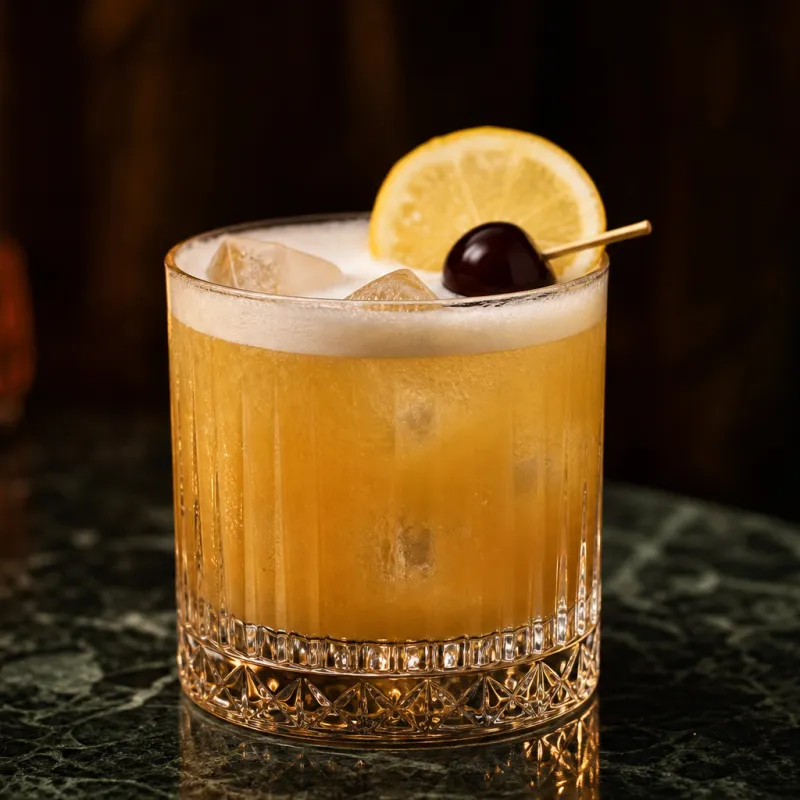
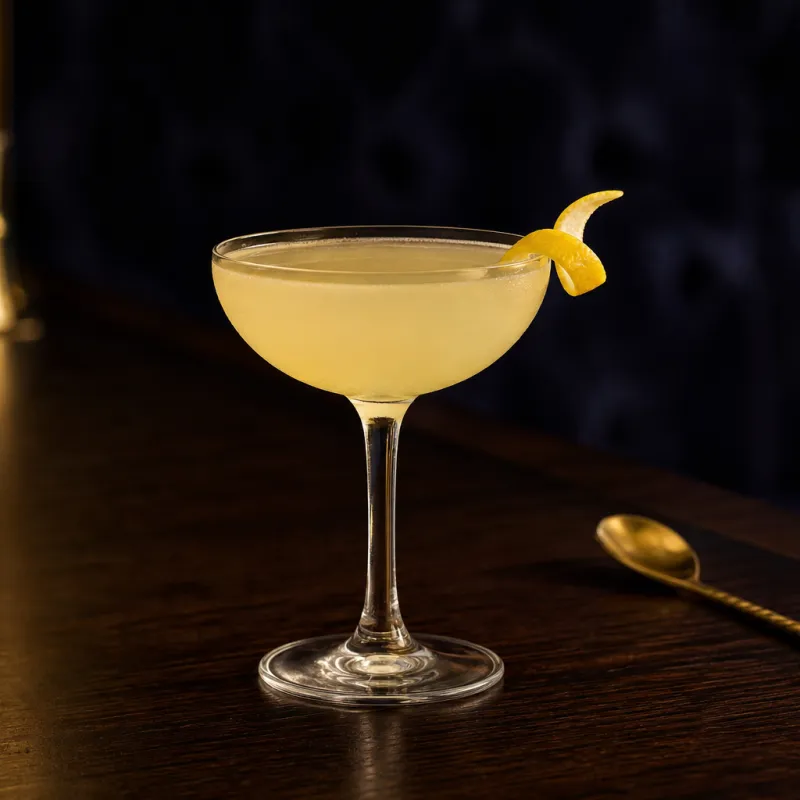
- Lemon is rounder and softer. It is the classic choice for whiskey and brandy drinks, such as the Whiskey Sour, the Sidecar and the Amaretto Sour, and for gin drinks like the Tom Collins, the Bee's Knees and the French 75.
As a rough guide, a lime gives about 20 to 30 ml of juice and a lemon about 30 to 45 ml, depending on size and ripeness. Buy a little more than you think you need.
How to squeeze
- Use fruit at room temperature: it yields more juice than fruit straight from the fridge.
- Roll the fruit firmly on the counter before cutting.
- Cut limes and lemons across the middle and use a hinged hand press with the cut side facing down.
- Press firmly but do not twist the peel too hard, otherwise too much bitter oil ends up in the juice.
- Strain the juice through a fine sieve if you want a very clean drink served up.
How long fresh juice keeps
Citrus juice changes quickly. Lime and lemon juice are at their best on the day they are squeezed. Many bartenders find that lime juice tastes fine or even rounder a few hours after squeezing, but after a day it turns dull and slightly bitter. Keep juice cold in a closed bottle and squeeze fresh for each session. Orange and grapefruit juice keep a little better, but they also taste best fresh.
Other citrus
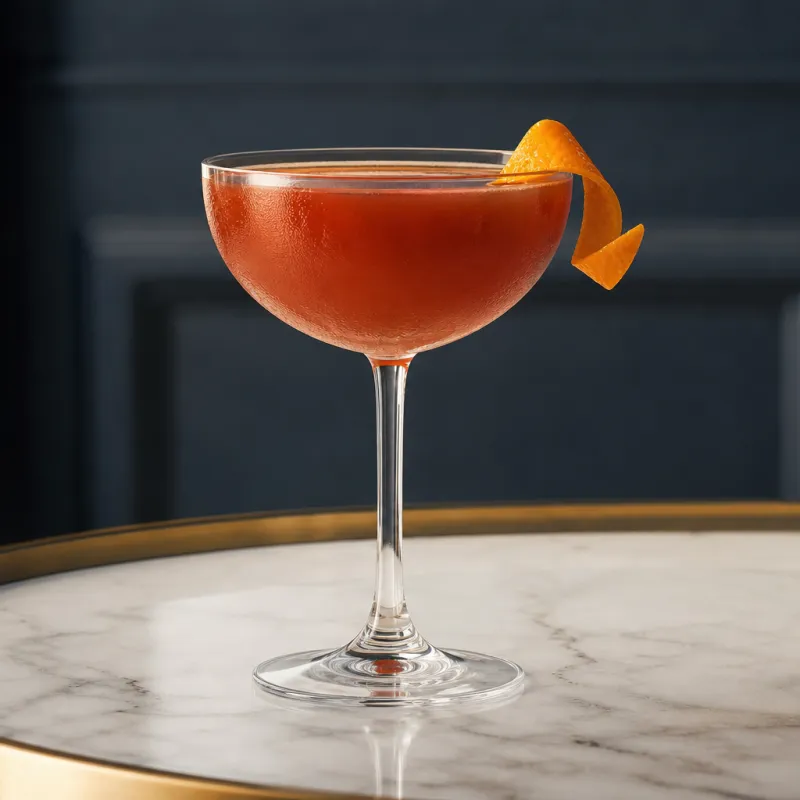
- Orange: sweeter and less acidic, so it lengthens more than it sours. Used in the Screwdriver, the Tequila Sunrise, the Mimosa and the Blood and Sand.
- Grapefruit: bitter-sweet and refreshing. Used in the Paloma (often with grapefruit soda), the Hemingway Daiquiri and the Salty Dog.
- Blood orange: seasonal in winter, deeper in colour and slightly berry-like.
Non-citrus juices
Several classics depend on other juices, and here good-quality bottled products are often fine:
- Pineapple juice: sweet, tropical and good at creating a light foam when shaken. Essential in the Piña Colada, the Painkiller and many tiki drinks. Fresh pressed pineapple is excellent, but a good unsweetened carton juice works.
- Cranberry juice: tart and fruity, the base of the Cosmopolitan, the Sea Breeze and the Cape Codder. Check the label, many products are sweetened juice drinks rather than pure juice.
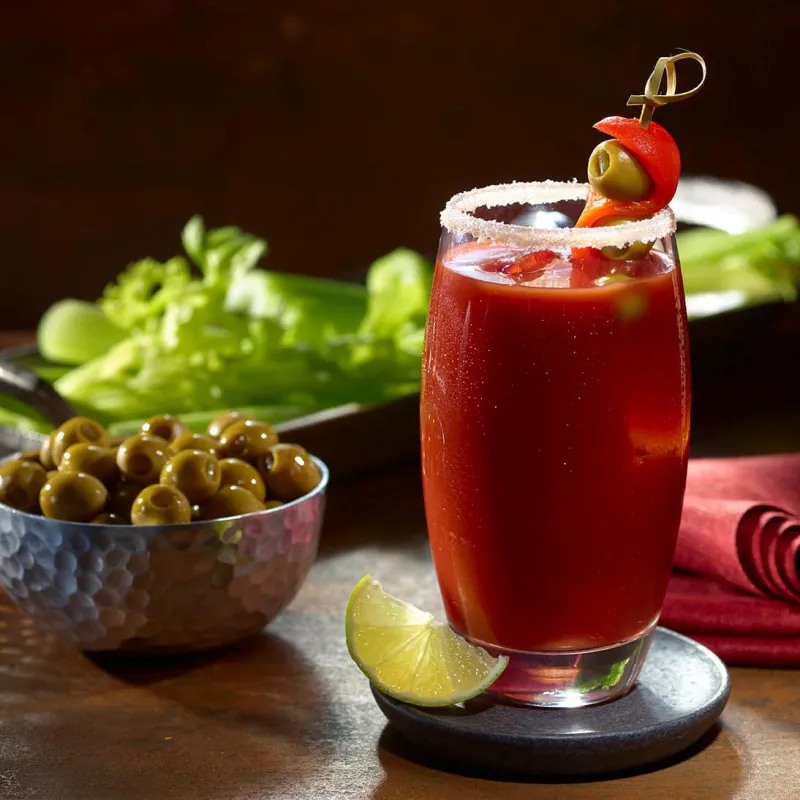
- Tomato juice: the body of the Bloody Mary and the Virgin Mary. Choose a thick, well-seasoned juice.
- Apple juice: cloudy apple juice adds body to long drinks and many alcohol-free recipes.
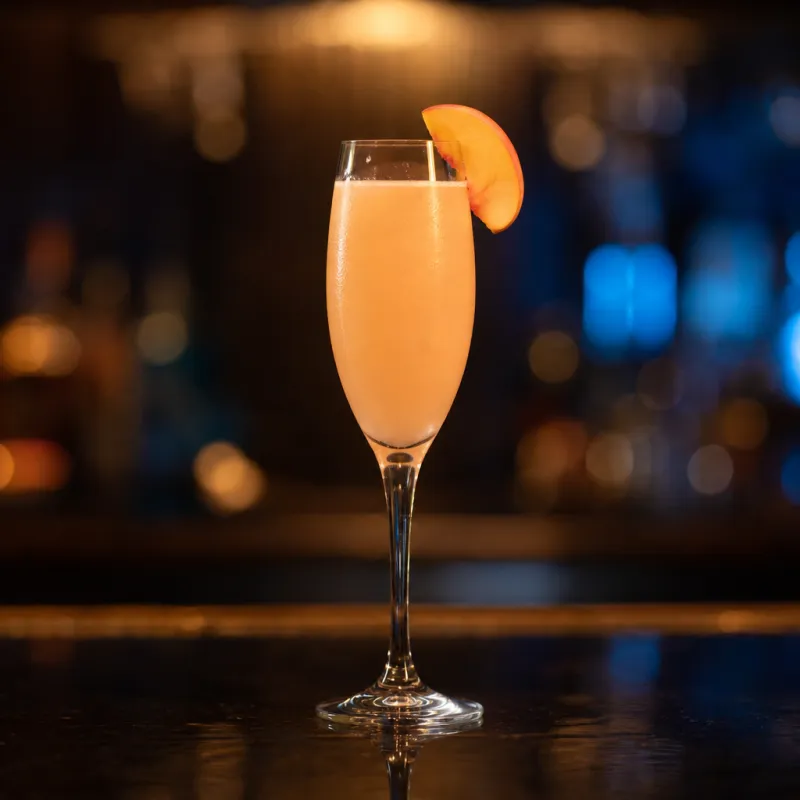
- Passion fruit, mango, peach: usually used as purée or nectar, as in the Bellini (white peach) or the Hurricane.
Do not waste the peel
The peel holds the fragrant oils, and many drinks use them. Before you juice a lemon or orange, cut off a few strips with a peeler for twists. Expressing a twist over a drink (squeezing it peel side down so the oil sprays across the surface) adds aroma to a Martini, a Negroni or an Old Fashioned. Wash and dry citrus before cutting the peel, and if you can, buy unwaxed fruit.
Preparing for a party
If you are making drinks for a group, squeeze the citrus within an hour or two of your guests arriving, strain it and keep it in a sealed bottle in the fridge. Count on roughly 20 to 30 ml of citrus per sour-style drink.
Balancing juice in a recipe
Citrus varies: a very juicy lime in summer can be milder than a small hard one in winter. Always taste the finished drink before serving. If it is too sharp, add a few ml of syrup; if it is flat or too sweet, add a few ml of citrus. The classic sour ratio of two parts spirit, one part citrus and one part syrup is a good starting point, but many modern recipes use a little less syrup than citrus. You can read more in our guide to measuring and balance on the guides page.
Juices without alcohol
Fresh juice is also the foundation of good alcohol-free drinks. A mix of fresh citrus, a little syrup and soda water or tonic makes a better mocktail than any sweet ready-made drink. Browse our mocktails for ideas, and look up any juice in the ingredients section to see every recipe that uses it.