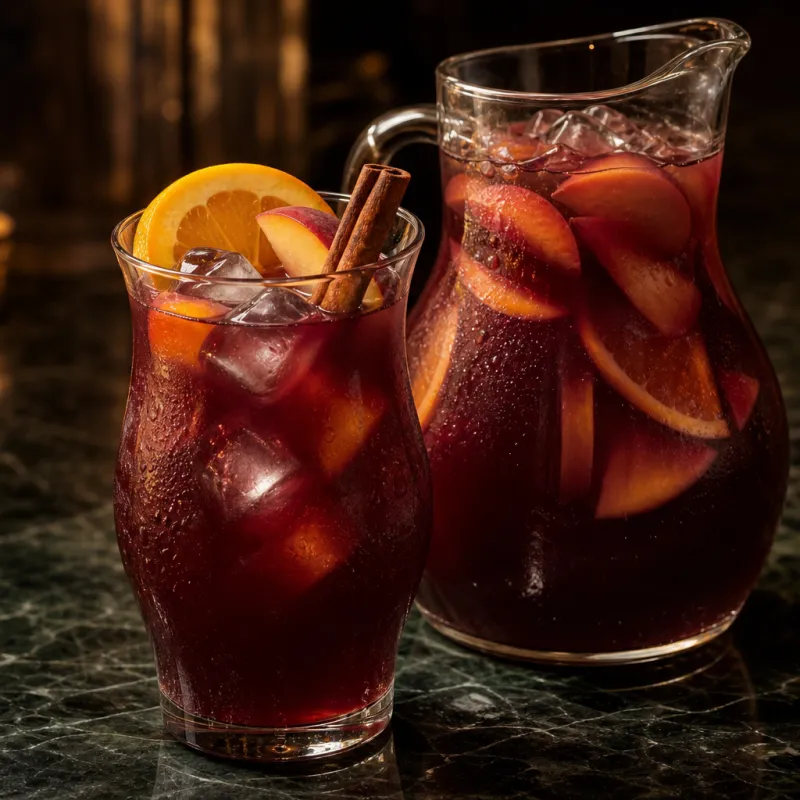
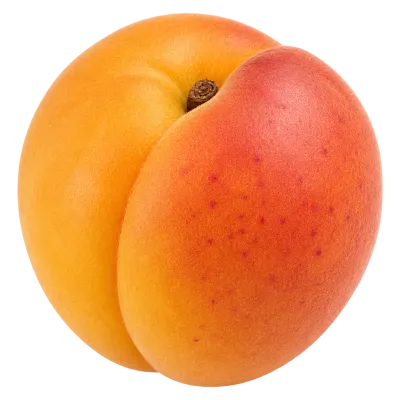
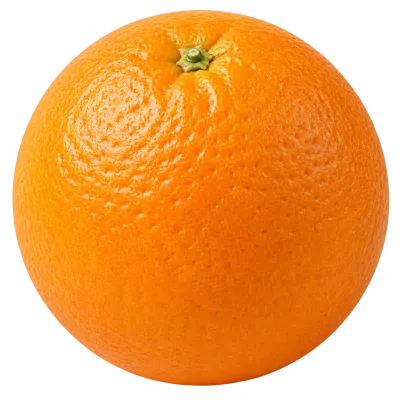
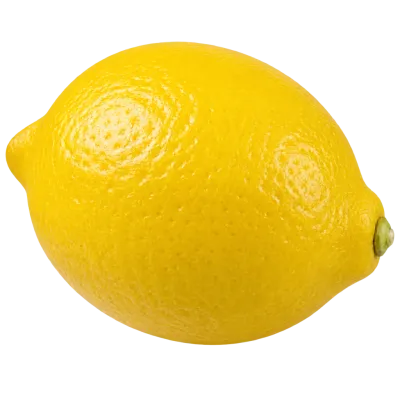
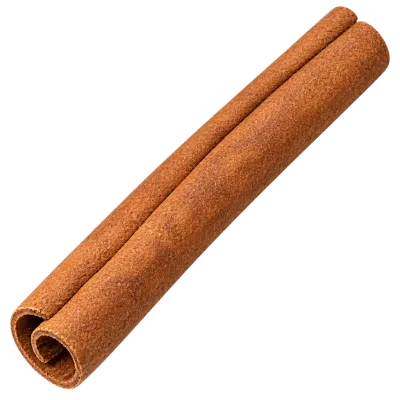
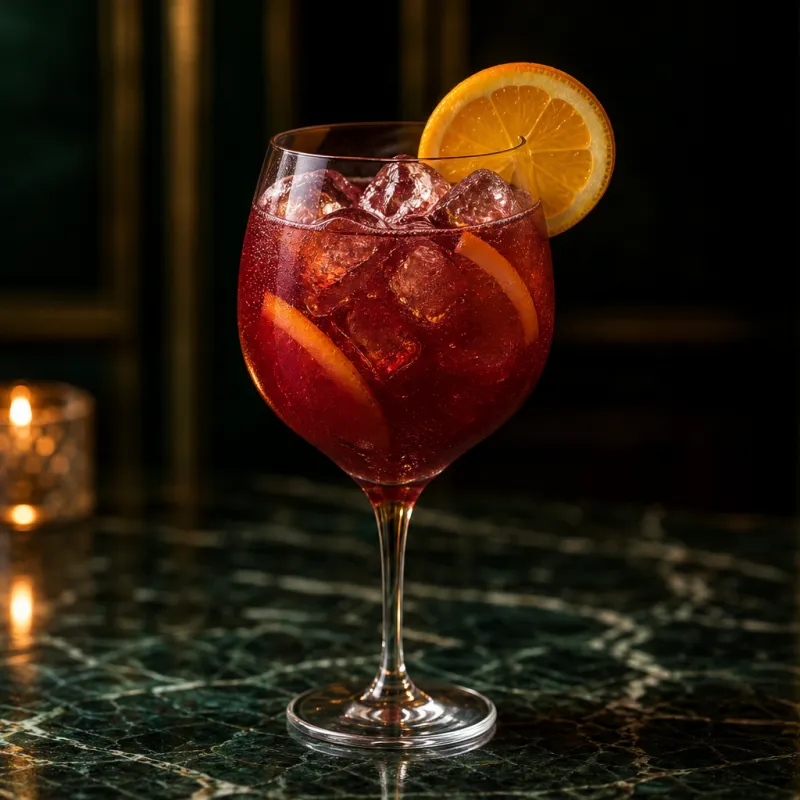
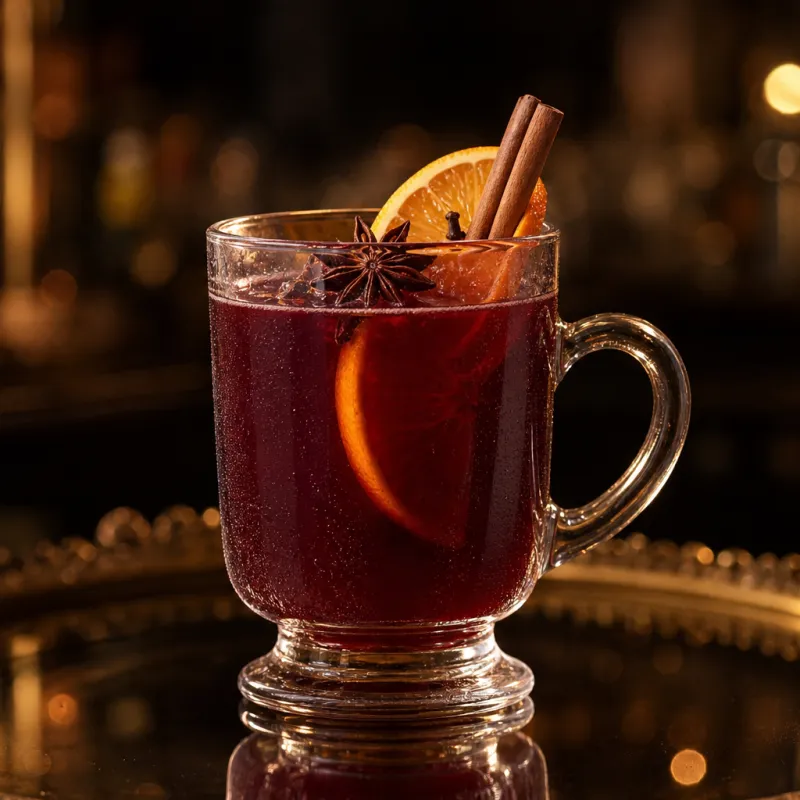
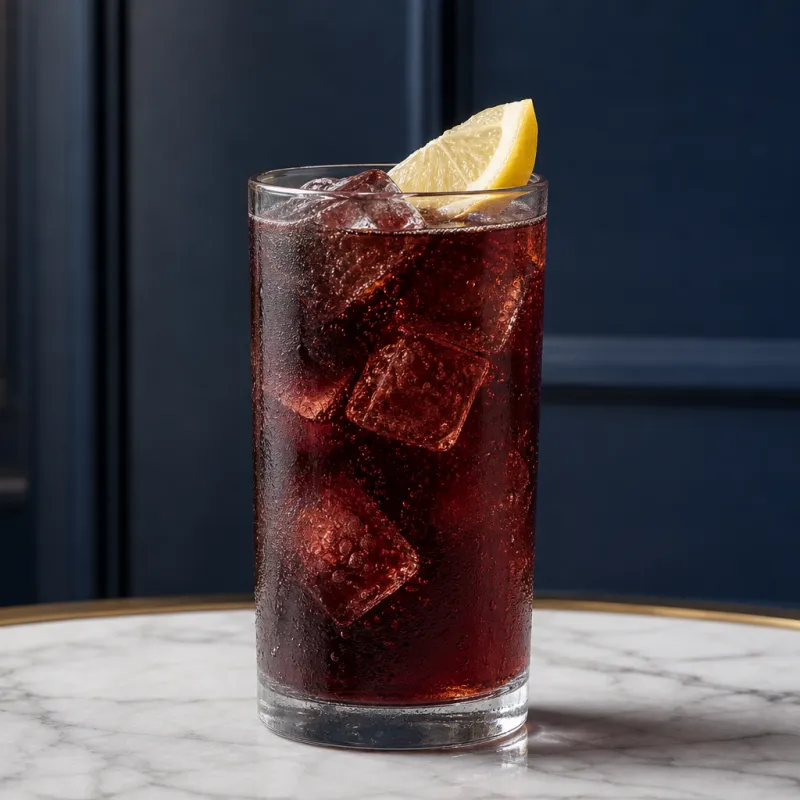
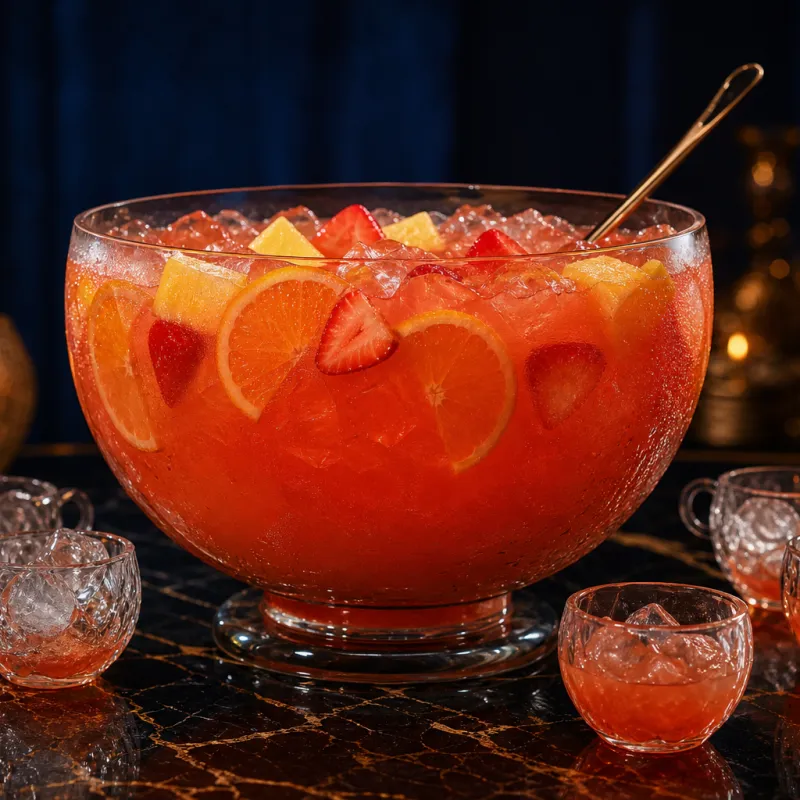
Ripe stone fruit, citrus slices and a stick of cinnamon sit in red wine until the whole jug smells of summer fruit and spice. Served cold, it is softer and rounder than sangria, with fruit you can fish out and eat.
3.7Editors’ rating
Taste3.8
Balance3.6
Easy to make3.7
Popularity6
Reader rating: No reader ratings yet. Be the first.
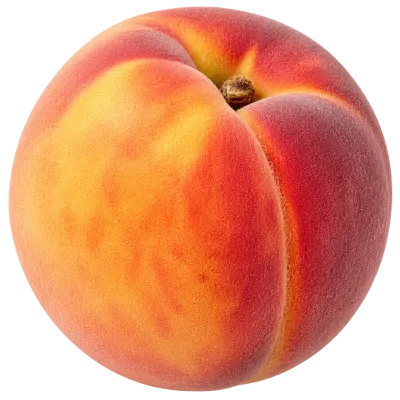
Put the peaches, apricots, orange and lemon slices, sugar and cinnamon stick in a large jug.
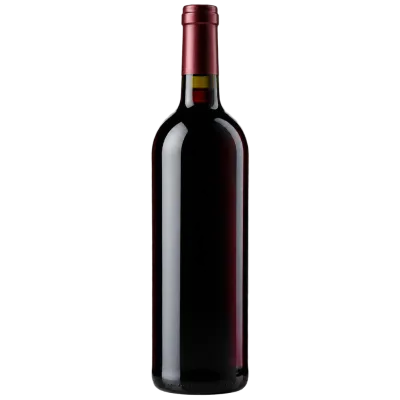
Pour in the red wine and the orange liqueur (if using) and stir until the sugar dissolves.
Cover and refrigerate for at least 2 hours, ideally overnight.
Stir, taste and adjust the sweetness.
Serve in glasses over ice, with some of the fruit.
Link copied
Watch it made
Zurracapote
Taste
Fruity and softly spiced, with ripe peach and apricot, citrus peel and cinnamon over a rounded red wine. Lightly sweet and moderate in strength.
History and origin
Zurracapote is a traditional wine punch from northern Spain, above all from La Rioja and neighboring regions such as Navarre and Aragón, where it is closely tied to local fiestas. It is often prepared in large quantities by the peñas, the social clubs that organize much of the festival life, and served from jugs or barrels.
The drink is related to sangria but has its own character: the fruit, typically peaches, apricots and citrus with sugar and cinnamon, is left to macerate in the wine, traditionally for a day or longer, which makes it rounder and more spiced. Recipes vary from town to town and family to family, and some add a little brandy or orange liqueur.
Bartender tips
A young, fruity Rioja or Garnacha works better than an oaky, aged wine.
The longer maceration time is what makes it Zurracapote rather than a quick sangria; overnight is ideal.
Remove the cinnamon after a day, otherwise it can become too dominant.