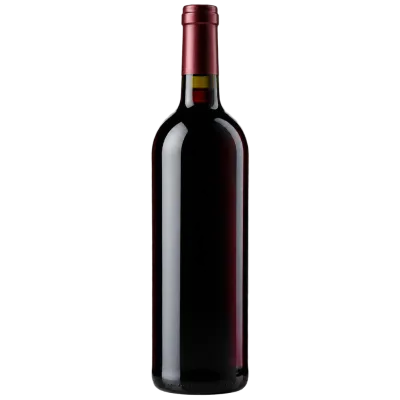
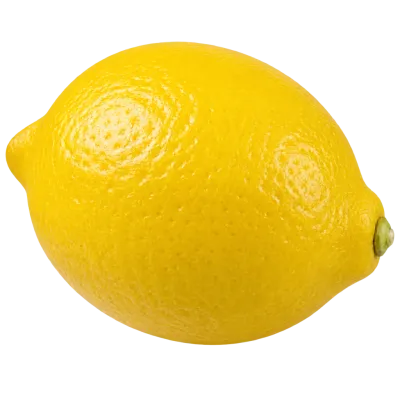
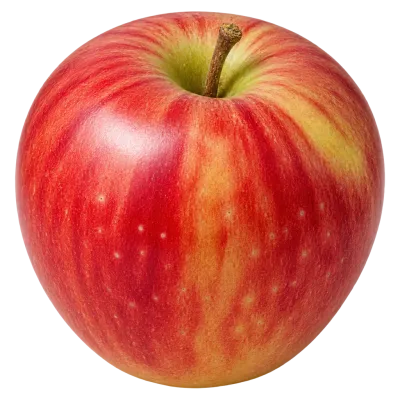
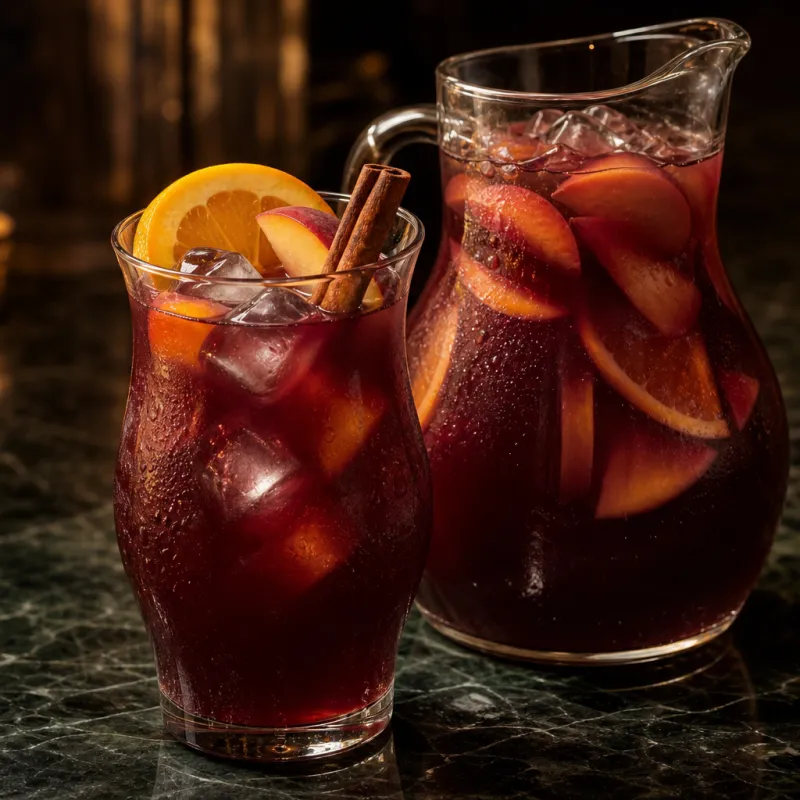
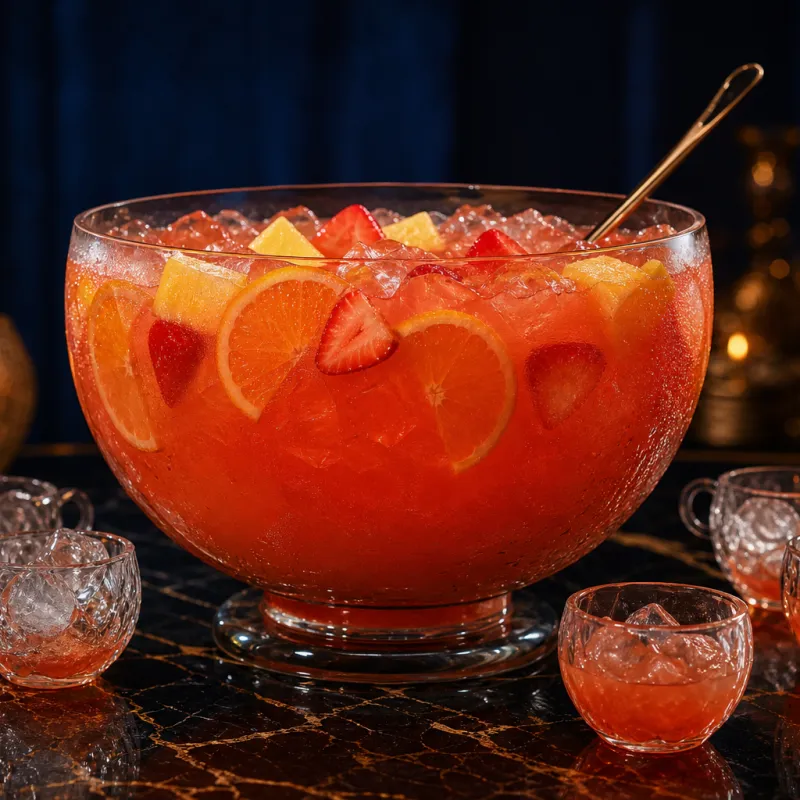
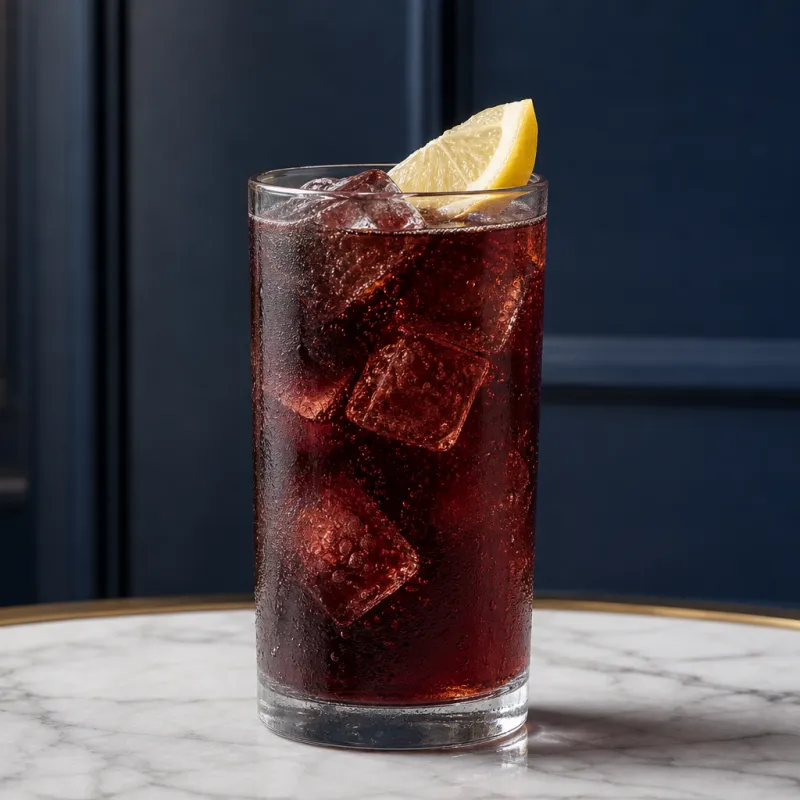
Red wine that has spent a few hours with oranges, lemons and apples tastes softer, fruitier and cooler than it did in the bottle. A splash of brandy adds warmth, and every glass comes with a few pieces of wine-soaked fruit.
3.8Editors’ rating
Taste3.9
Balance3.8
Easy to make4.6
Popularity90
Reader rating: No reader ratings yet. Be the first.
Put the orange, lemon and apple pieces into a large jug and sprinkle over the sugar.
Add the brandy and orange juice, stir and leave for 15 minutes so the fruit releases its juice.
Pour in the red wine and stir until the sugar has dissolved.
Cover and chill for at least 2 hours, ideally 4.
Serve in wine glasses over ice with some of the fruit and an orange slice.
Link copied
Watch it made
Sangria
Taste
Fruity, lightly sweet and refreshing, with red wine, citrus and apple and a gentle brandy warmth. Moderate strength, similar to wine.
History and origin
Sangria is Spain's best-known wine punch, and its name comes from sangre, the Spanish word for blood, because of its colour. Mixing wine with fruit, sugar and spices is an old European custom, so there is no single moment of invention. Sangria in its familiar form became an international symbol of Spanish summers in the second half of the 20th century, helped by tourism and its appearance at the 1964 New York World's Fair.
Under European Union rules, only sangria made in Spain or Portugal may be sold under that name alone; similar drinks from other EU countries have to add where they were produced. At home every family has its own recipe, and white wine or cava versions are popular too.
Bartender tips
Choose a young, fruity and inexpensive red with soft tannins; heavy oaky wines turn bitter with the fruit.
Do not blend the fruit: whole pieces keep the sangria clear and look better in the glass.
Add sparkling water or lemon soda just before serving if you prefer it lighter.
Variations
Sangria blanca
Made with dry white wine, peach and citrus instead of red wine.
Sangria de cava
Mix the fruit base with cava just before serving for a sparkling version.
Frequently asked questions
How long should sangria rest?
At least two hours in the fridge, ideally four. Much longer and the citrus peel can make it bitter.
What wine is best for sangria?
A young, fruity Spanish red such as Garnacha, Tempranillo or a young Rioja.
Is sangria strong?
It is about as strong as wine, sometimes a little stronger because of the brandy, so enjoy it slowly.
The perfect sound
Spanish party classics
A long summer table in Spain with friends, fruit and laughter.