 ★ 4.1
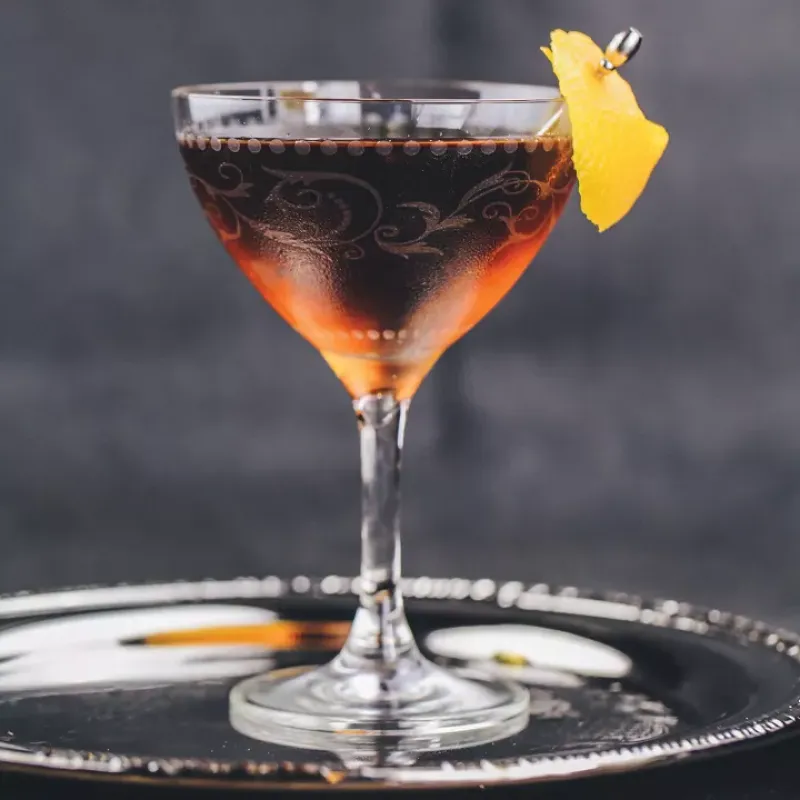
★ 4.1 Wine cocktails
Wine-based drinks are some of the oldest mixed drinks there are: sangria, spritzers, mulled wine, the Kalimotxo and wine cobblers. This page gathers recipes built on still red, white and rosé wine, with advice on which styles to choose, how to balance fruit and acidity and how to keep these drinks light and refreshing. Fortified wines like vermouth and sparkling wines have their own pages.
14 cocktails
★ 4.1 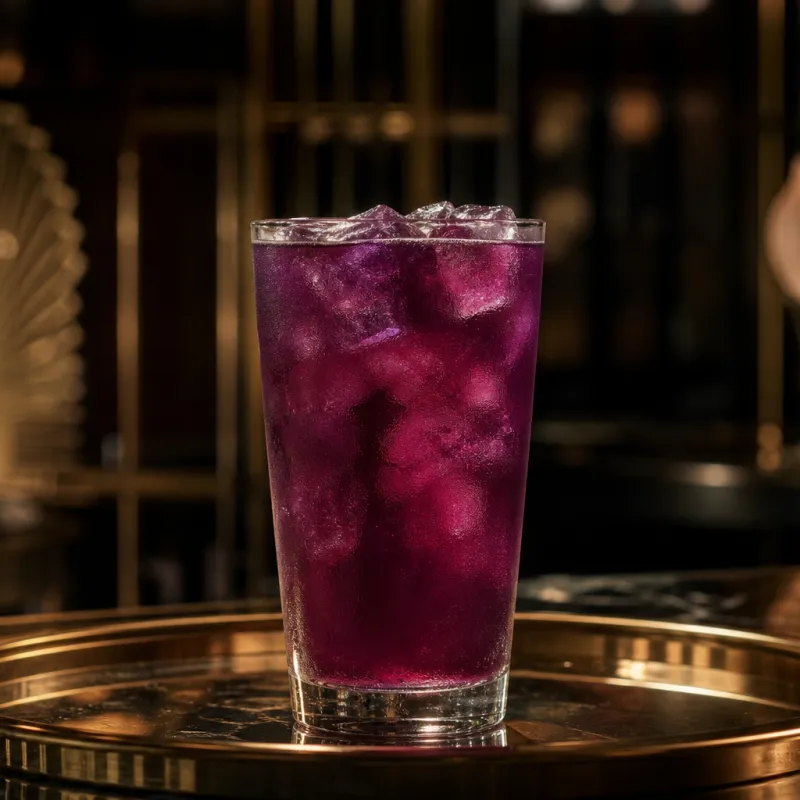 ★ 2.5
★ 2.5 Cheeky Vimto
 ★ 3.9
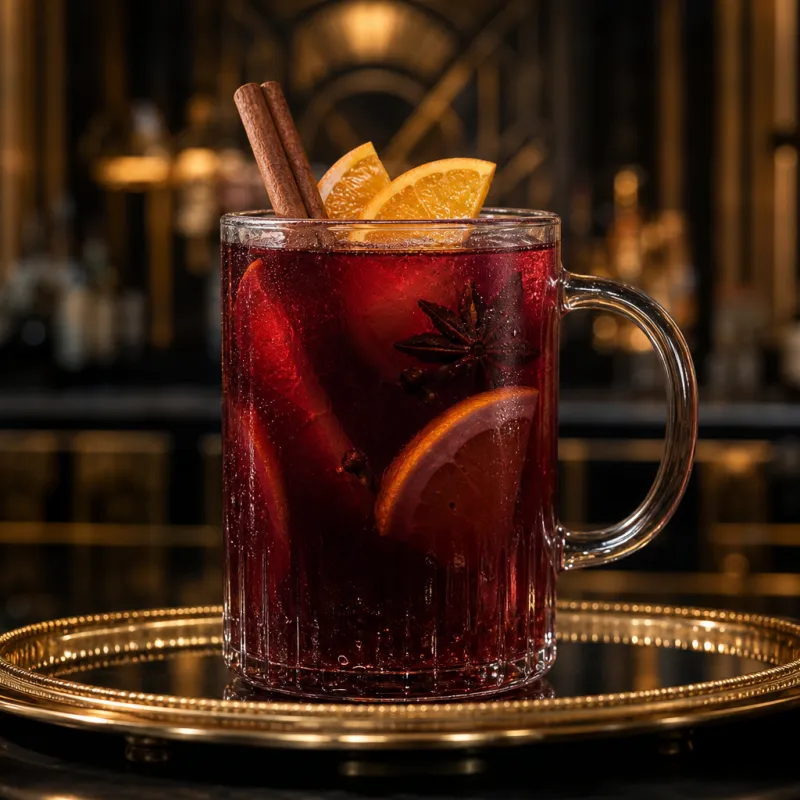
★ 3.9 Feuerzangenbowle
 ★ 3.3
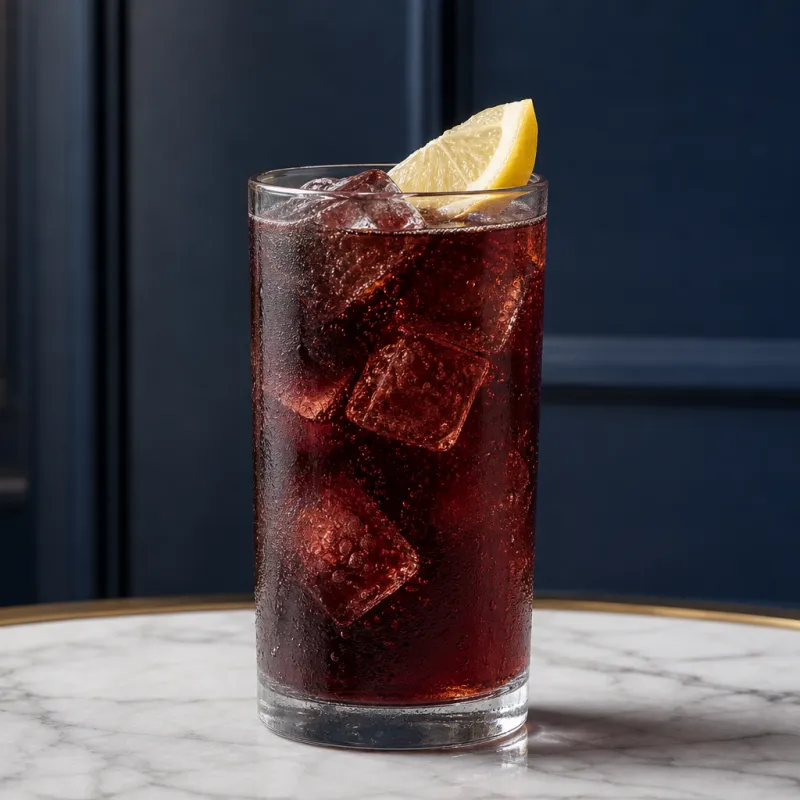
★ 3.3 Kalimotxo
 IBA ★ 3.9
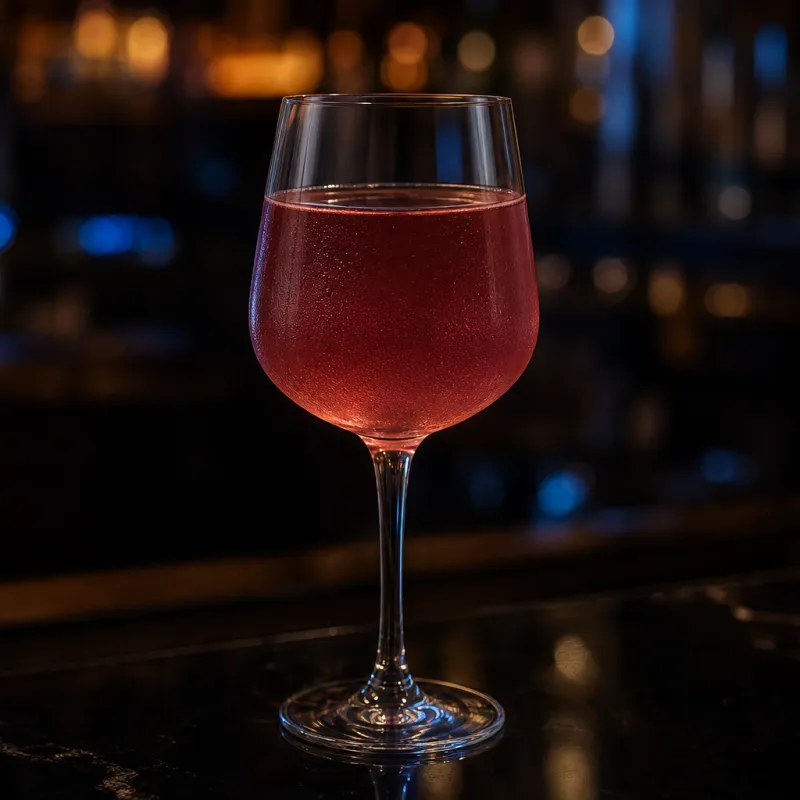
 Kir
 ★ 3.9
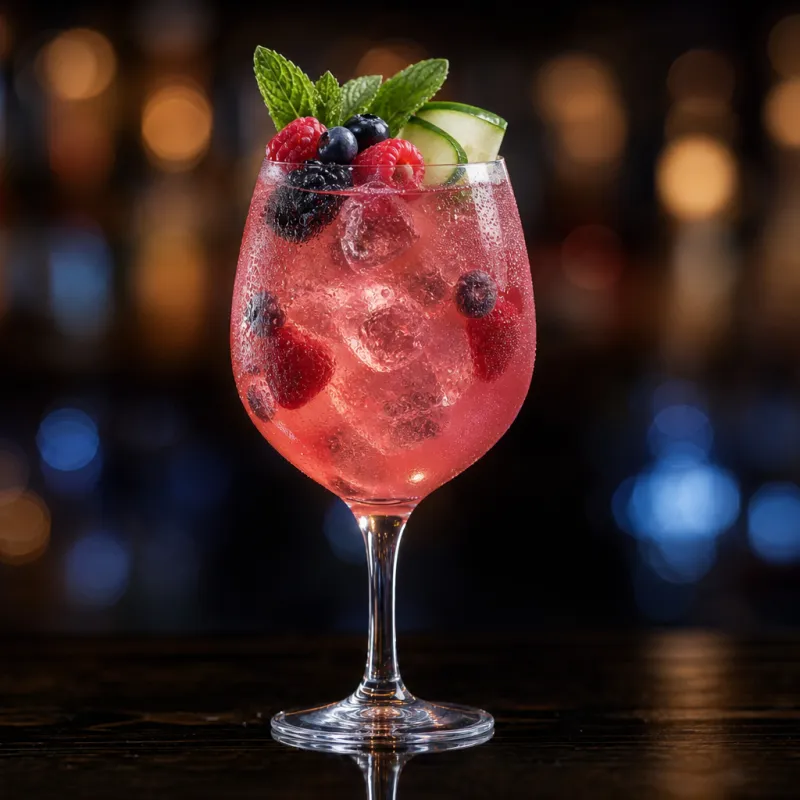
★ 3.9 Lillet Wild Berry
 ★ 4.1
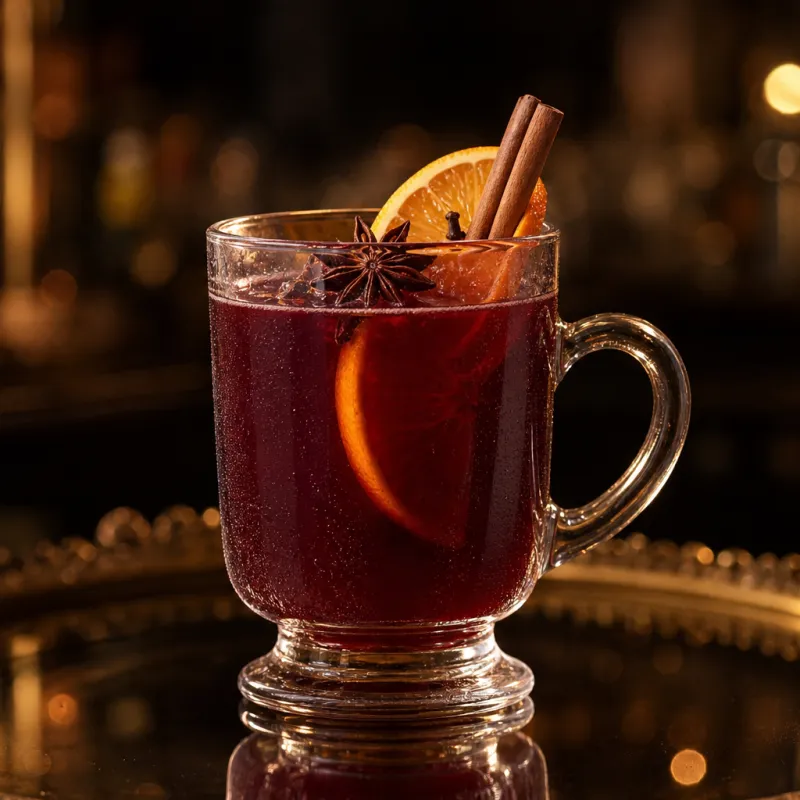
★ 4.1 Mulled Wine (Glühwein)
 IBA ★ 4
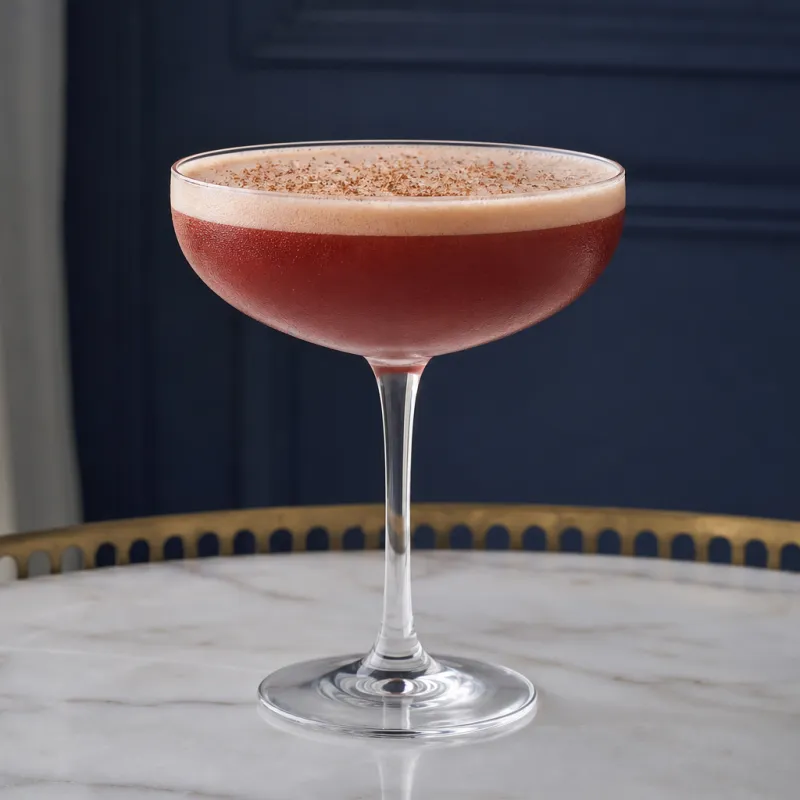
 Porto Flip
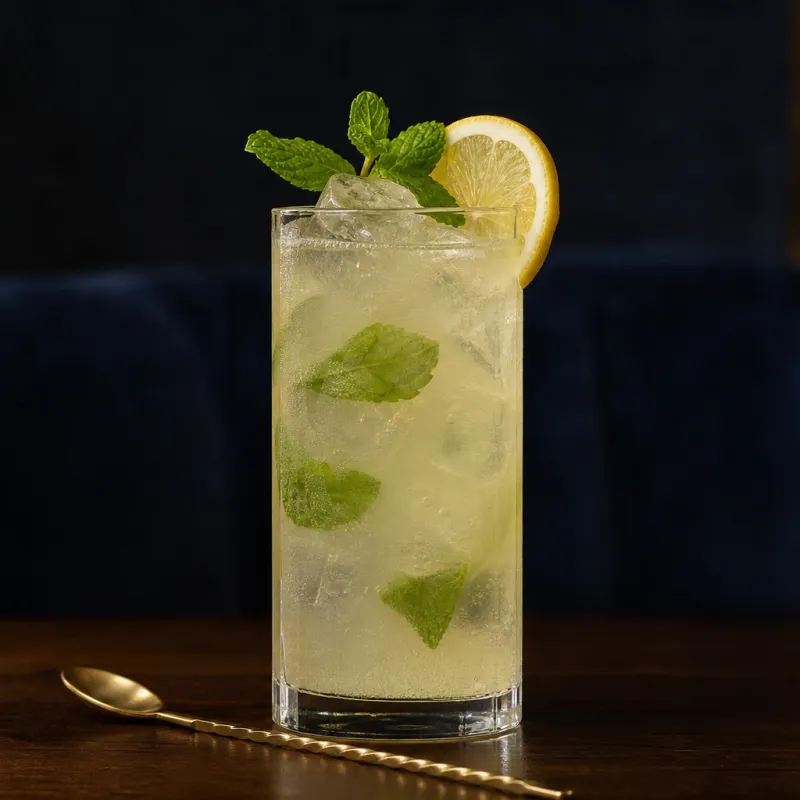 ★ 3.7
★ 3.7 Rebujito
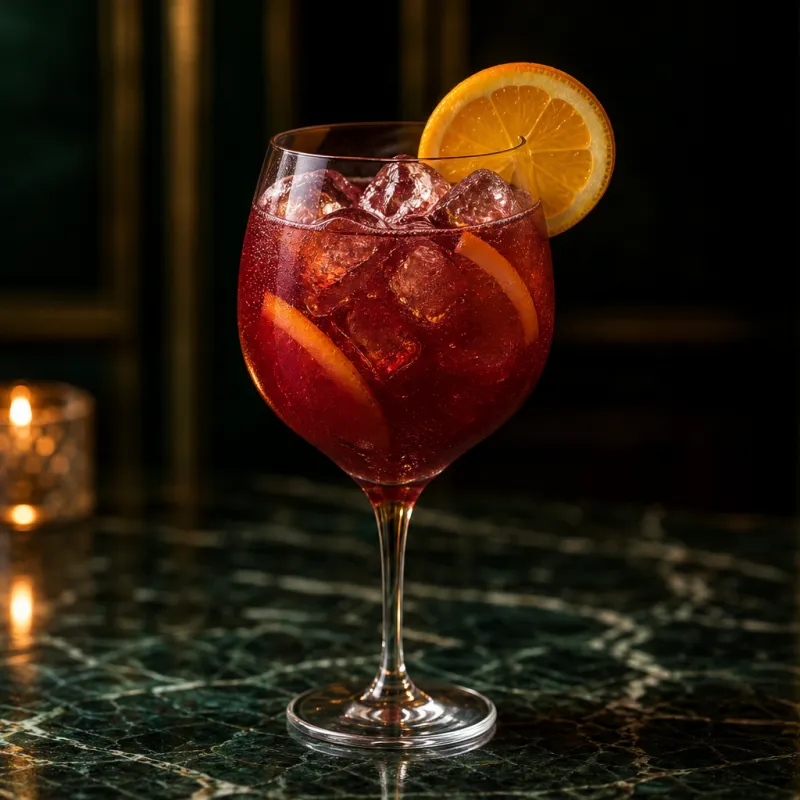 ★ 3.8
★ 3.8 Sangria
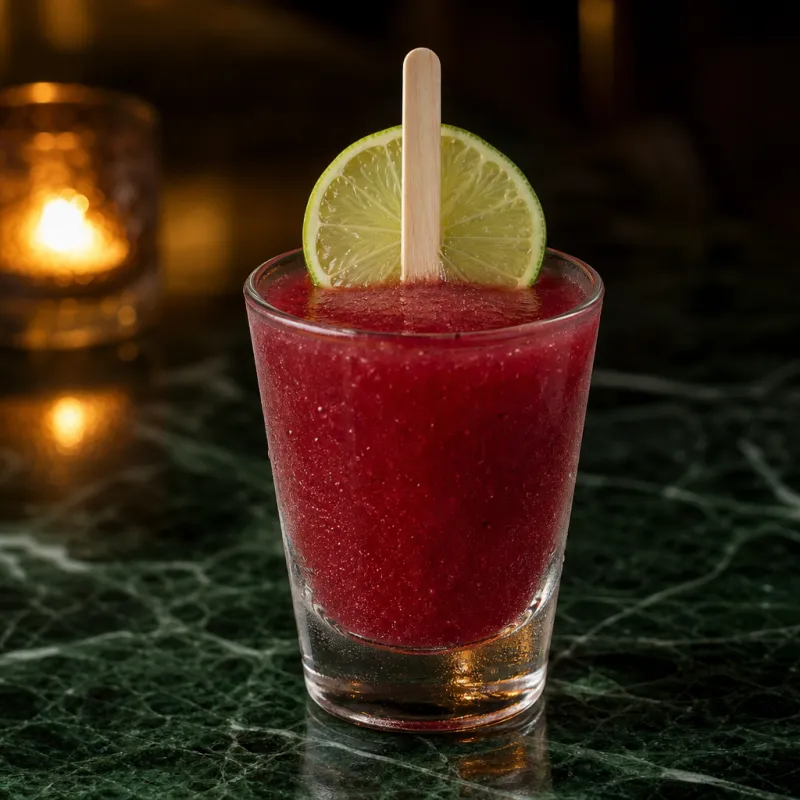 ★ 3.3
★ 3.3 Sangria Popsicles
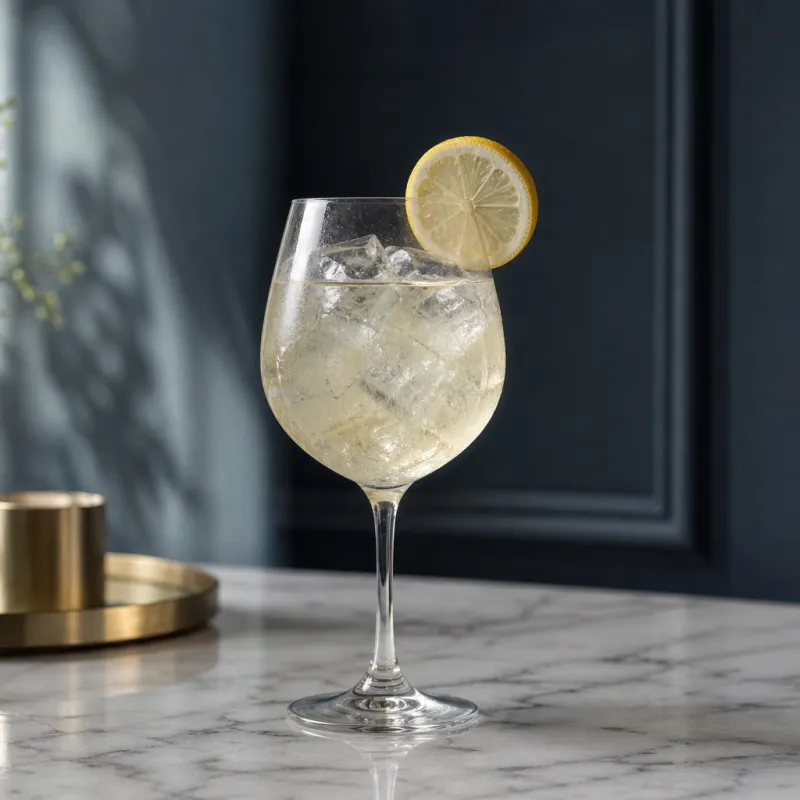 ★ 3.3
★ 3.3 Spritzer
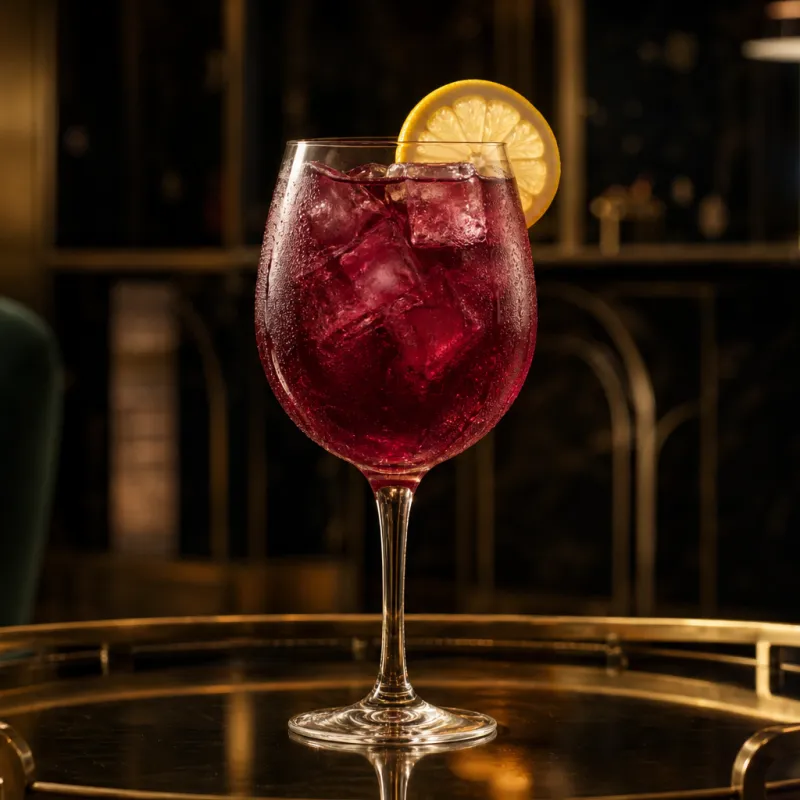 ★ 4
★ 4 Tinto de Verano
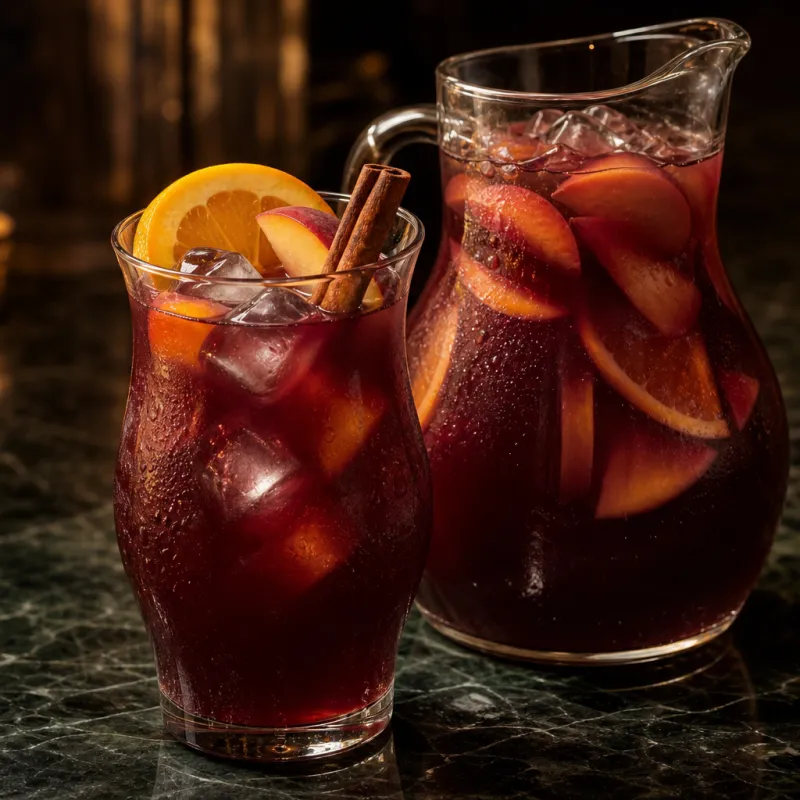 ★ 3.7
★ 3.7 Zurracapote
No cocktails found. Try another word or browse the A to Z list.
Wine as a cocktail base
Still wine brings acidity, fruit and tannin to a drink, with a much lower alcohol content than spirits, usually around 11 to 14 percent. That makes wine drinks longer and lighter. The key is choosing a wine whose character suits the other ingredients rather than fighting them.
Choosing the wine
- Red wine: young, fruity and not too tannic, for example Tempranillo, Garnacha or a simple Merlot. Heavy, oaky reds turn bitter when mixed with citrus.
- White wine: dry, crisp and unoaked, such as Riesling, Grüner Veltliner or Sauvignon Blanc. Ideal for spritzers and white sangria.
- Rosé: dry and fresh, good in summer punches and frozen drinks.
Expensive wine is not necessary, but the wine should taste good on its own.
Classic wine drinks
- Sangria: red wine with fruit, a little sugar and often brandy or orange liqueur, left to rest in the fridge before serving.
- Spritzer: wine and soda water, often half and half.
- Kalimotxo: red wine and cola in equal parts, popular in the Basque Country.
- Mulled wine: red wine heated gently with spices, citrus and sugar.
- Cobbler: wine or sherry shaken with sugar and fruit, served over crushed ice.
Serving tips
Chill white and rosé drinks well, and keep red wine drinks cool rather than icy. Add soda or sparkling water just before serving. Let sangria rest for one to a few hours, but not much longer, or the fruit becomes mushy and bitter.