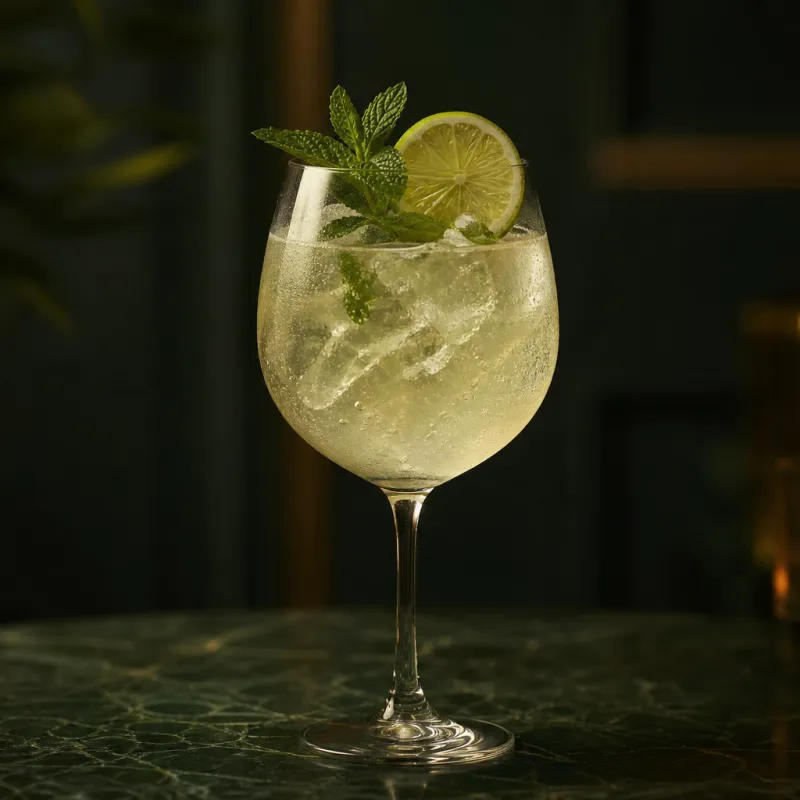
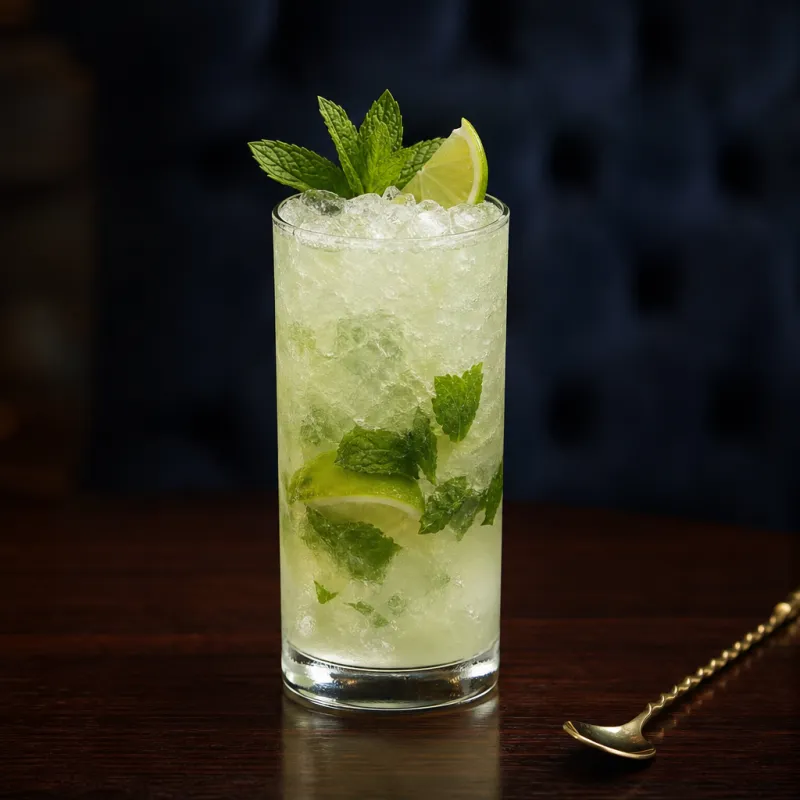
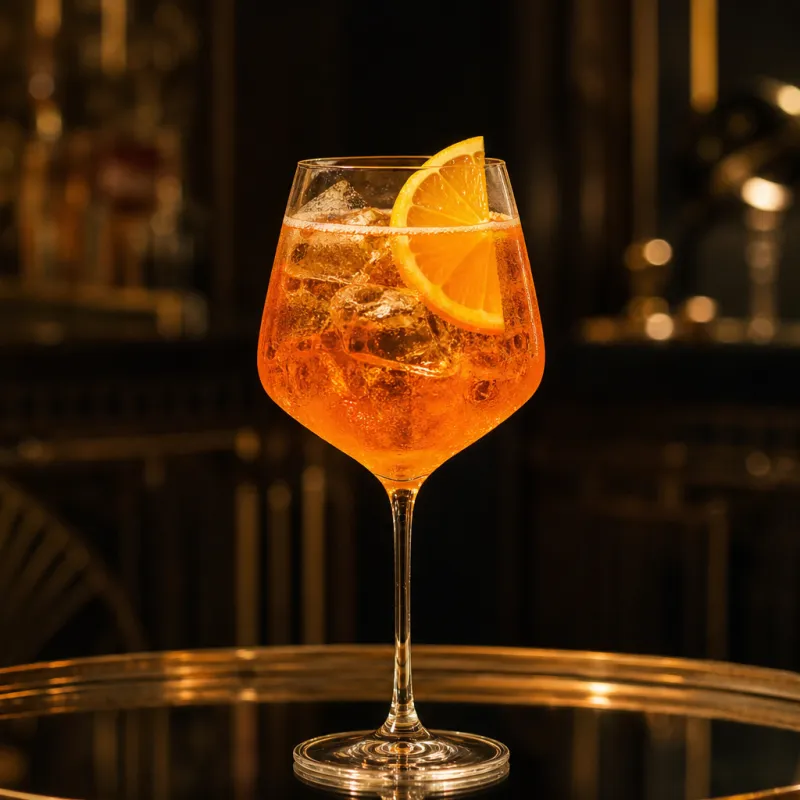
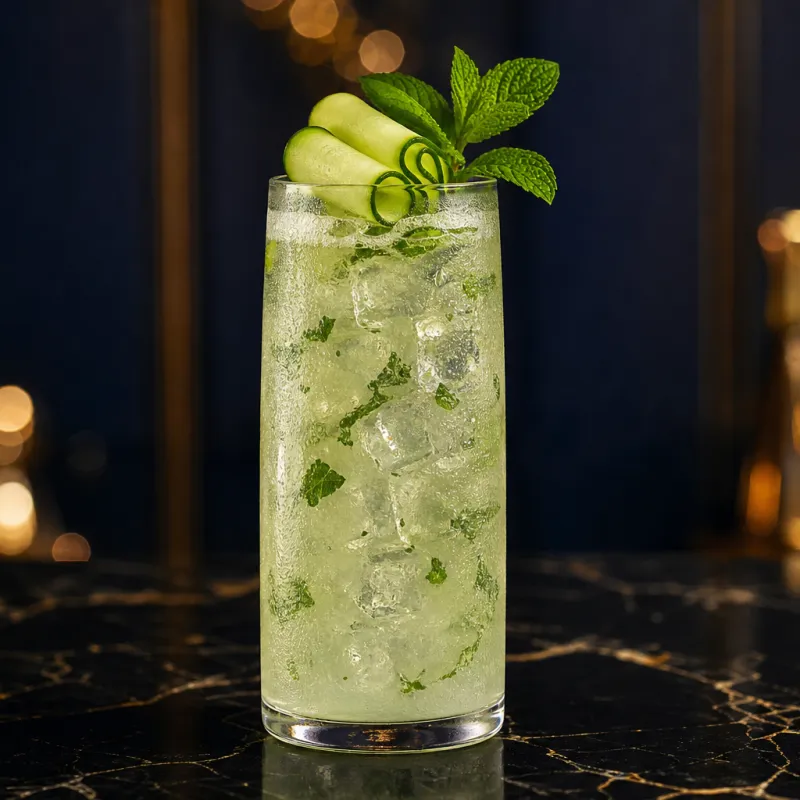
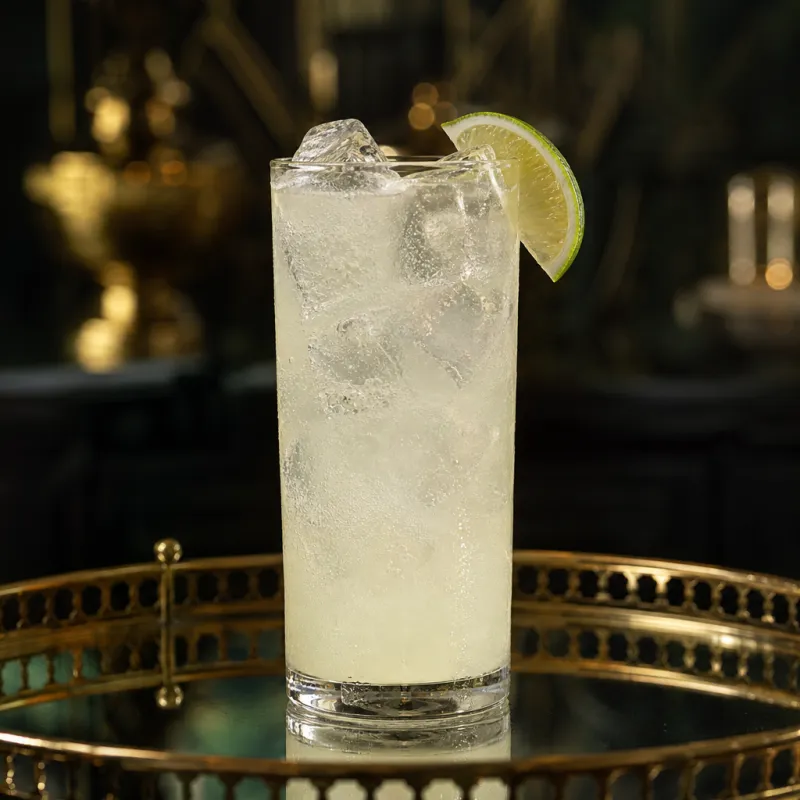
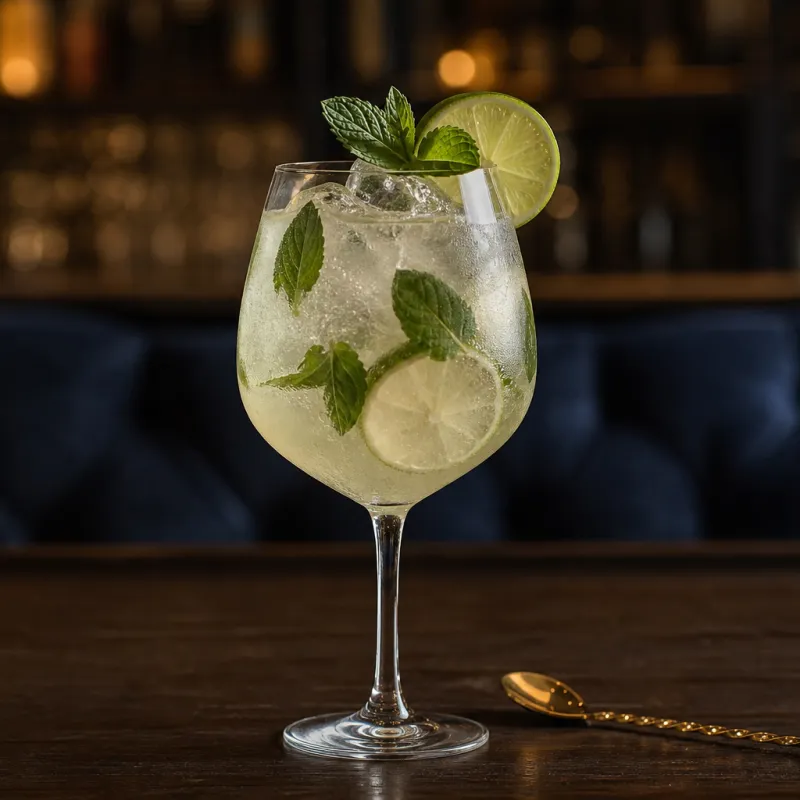
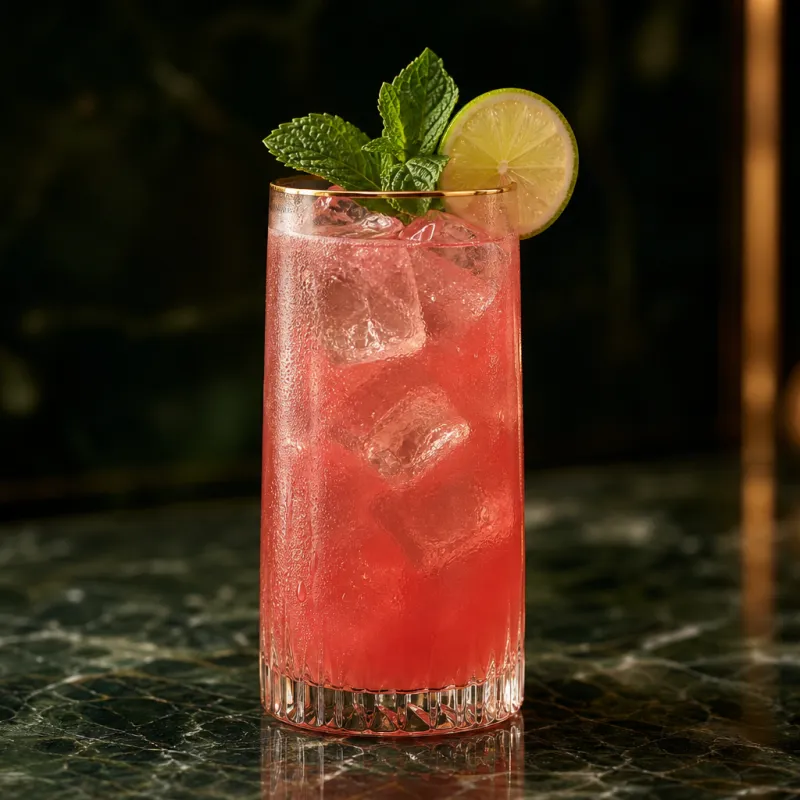
A big wine glass, lots of ice, the scent of elderflower and fresh mint rising with the bubbles. Light, floral and just sweet enough, it is the drink German-speaking beer gardens and terraces reach for on hot afternoons.
3.7Editors’ rating
Taste3.8
Balance3.7
Easy to make4.5
Popularity20
Reader rating: No reader ratings yet. Be the first.
Garnish: Mint sprig and lime wheel · Ice: Ice cubes
Method
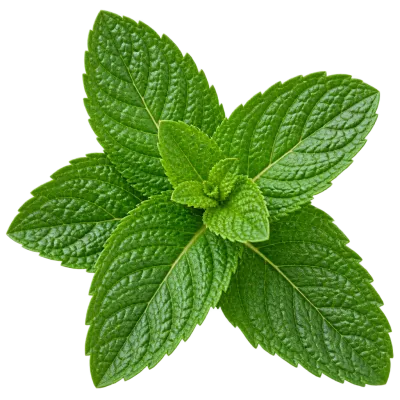
Put the mint leaves in a large wine glass and press them gently with a bar spoon to release the aroma.
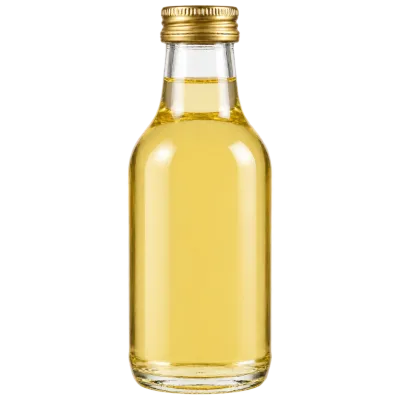
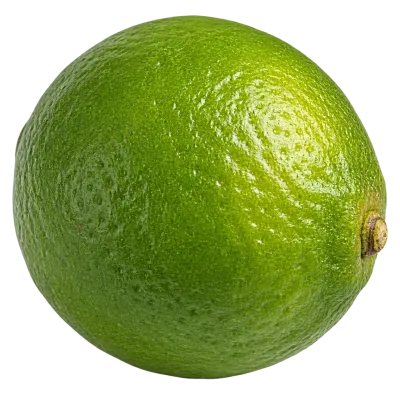
Add the elderflower syrup and the lime slices.
Fill the glass with ice cubes.
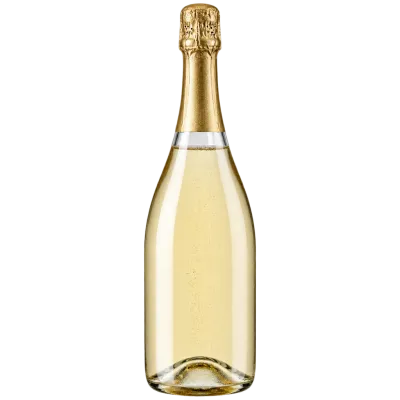
Top with alcohol-free sparkling wine and soda water.
Stir gently once and garnish with a mint sprig.
Link copied
Watch it made
Virgin Hugo
Taste
Floral and fresh: elderflower sweetness, cool mint and a tart hint of lime, with fine bubbles. Light and very easy to drink.
History and origin
The Hugo is a young drink. It is usually credited to Roland Gruber, a bartender in Naturns in South Tyrol, who is said to have created it around 2005 as an alternative to the Aperol Spritz. The original recipe reportedly used lemon balm syrup; elderflower syrup soon replaced it and became the standard.
Within a few years the Hugo spread across the Alps and into Germany and Austria, where it became one of the most popular summer drinks. Because its flavour comes mainly from elderflower, mint and lime, it adapts easily: with alcohol-free sparkling wine it keeps almost all of its character, and the virgin version is now offered in many bars and cafés in German-speaking countries.
Bartender tips
Only press the mint lightly; crushing it hard makes the drink grassy and bitter.
A dry alcohol-free sparkling wine keeps the drink from getting too sweet.
Slap the mint sprig between your hands before garnishing to wake up its scent.
Variations
Hugo with lemon balm
The early version: replace the elderflower syrup with lemon balm syrup.
Hugo Zero (twist)
Skip the sparkling wine and use only soda or tonic water for a lighter, drier drink.
Frequently asked questions
Who invented the Hugo?
It is usually credited to Roland Gruber, a bartender in Naturns, South Tyrol, around 2005.
Is alcohol-free sparkling wine really alcohol-free?
Most contain less than 0.5 percent alcohol, which counts as alcohol-free in many countries. For zero alcohol, use only soda water.
Can I use elderflower cordial instead of syrup?
Yes. Cordial and syrup are used the same way; adjust the amount to taste as sweetness varies by brand.