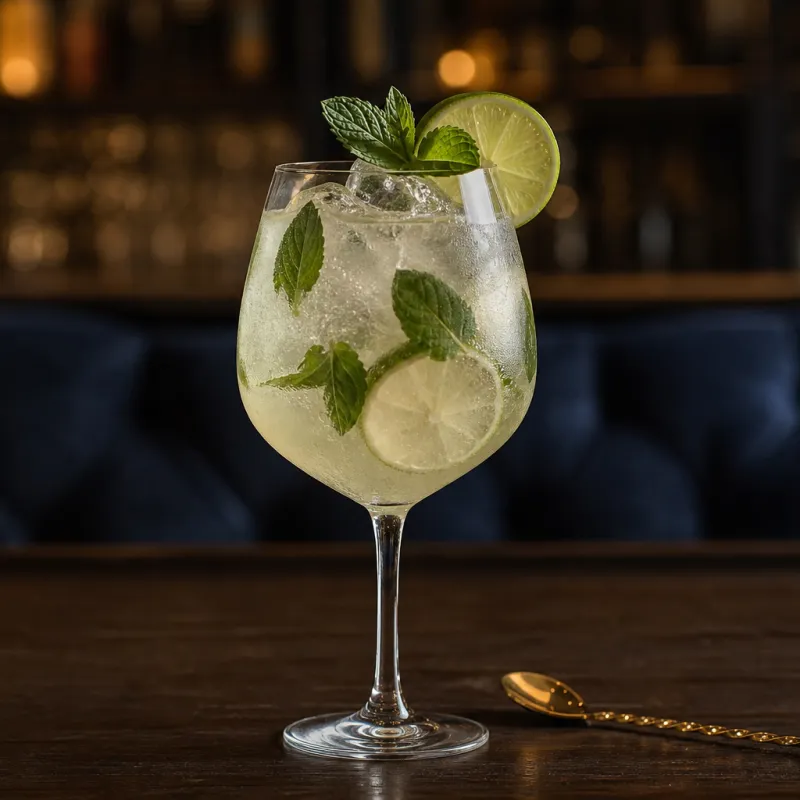
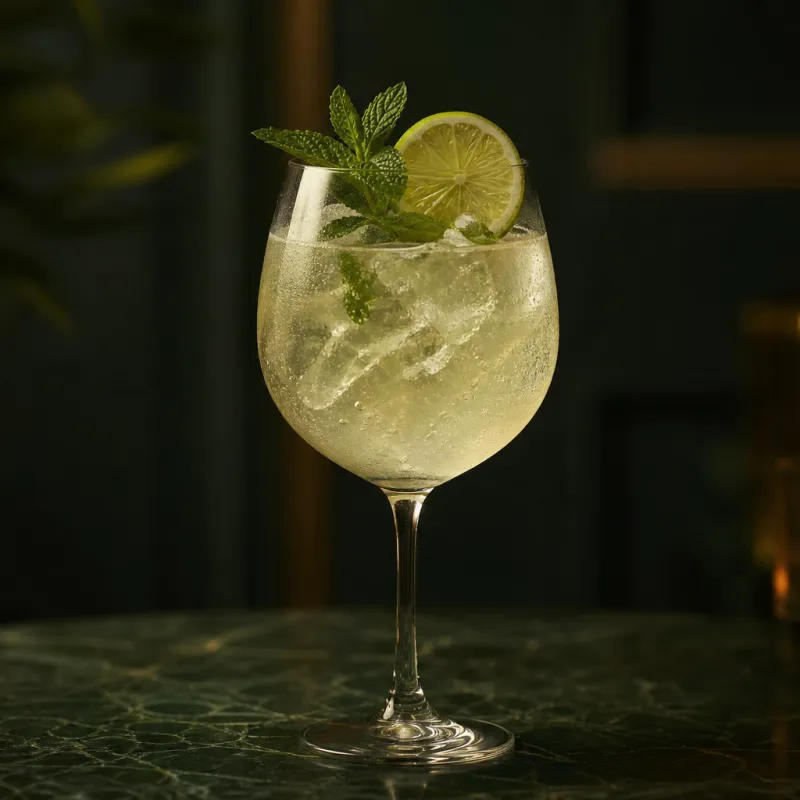
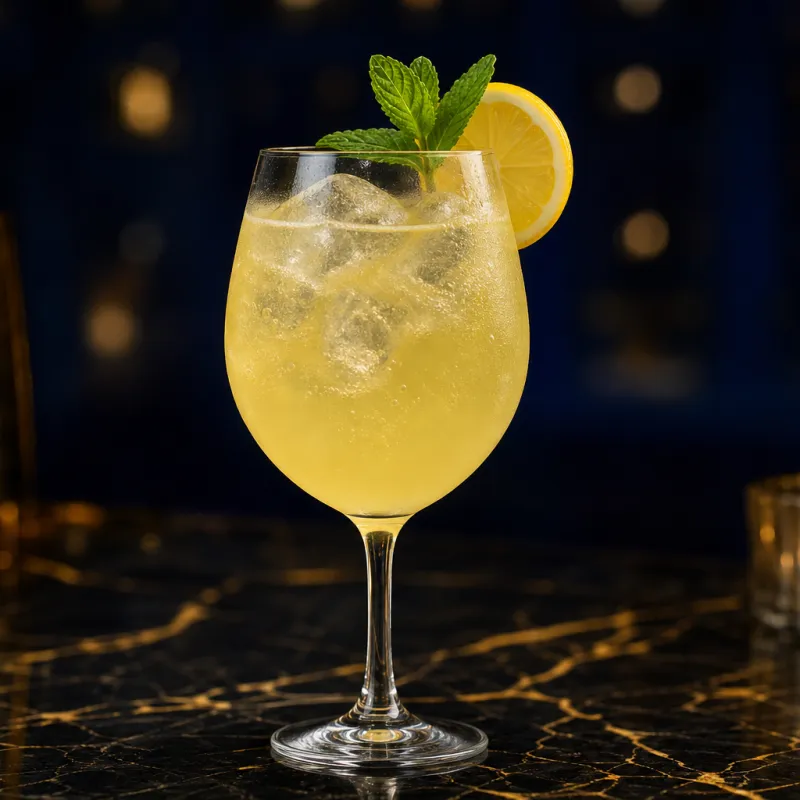
Elderflower smells of early summer, mint adds a cool breeze, and lime keeps it all crisp. Topped with cold prosecco and a splash of soda, it is light, fragrant and made for a long afternoon outside.
4.2Editors’ rating
Taste4.2
Balance4.2
Easy to make4.6
Popularity80
Reader rating: No reader ratings yet. Be the first.
Garnish: Mint sprig and lime wheel · Ice: Ice cubes
Method
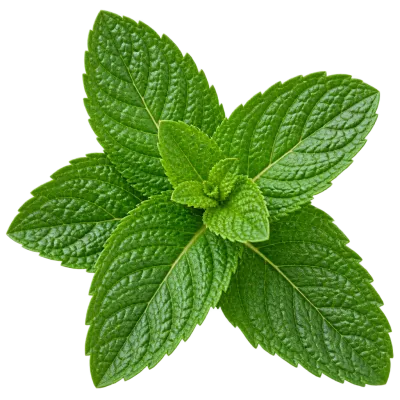
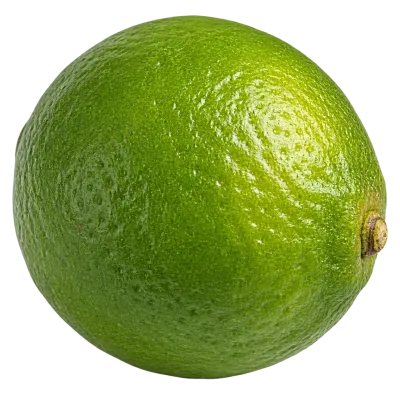
Put mint leaves and lime wedges in a large wine glass and press them lightly with a muddler.
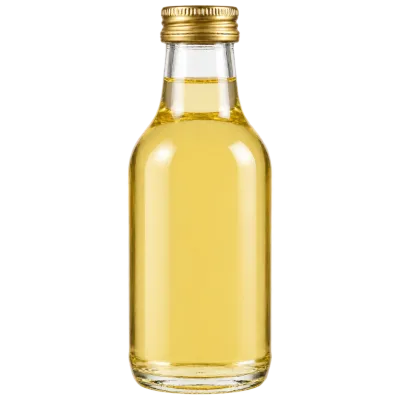
Add the elderflower syrup and fill the glass with ice.
Pour in the chilled prosecco.
Top with a splash of soda water and stir gently once.
Garnish with a mint sprig and a lime wheel.
Link copied
Watch it made
Hugo
Taste
Floral and fresh, with elderflower, cool mint and a hint of lime over crisp bubbles. Light and gently sweet.
History and origin
The Hugo was created in 2005 by Roland Gruber, a bartender in Naturns in South Tyrol, northern Italy, as an alternative to the Spritz. His first version used lemon balm syrup; elderflower syrup soon replaced it because it was easier to get and more popular.
From the Alpine bars of South Tyrol the drink spread quickly into Austria, Germany and Switzerland, where it became one of the defining summer drinks of the 2010s. It belongs to the spritz family: a light, low-alcohol mix of sparkling wine, a flavoring and soda water, served over ice in a large wine glass.
Bartender tips
Only bruise the mint gently; crushing it hard releases bitter flavors.
Adjust the syrup to your prosecco: with an extra dry, 20 ml is right, with a brut you may want a little more.
St-Germain elderflower liqueur can replace the syrup for a slightly stronger, more aromatic Hugo.
Variations
Alcohol-free Hugo
Replace the prosecco with alcohol-free sparkling wine or more soda water.
Original lemon balm Hugo
Use lemon balm syrup instead of elderflower, as in Roland Gruber's first version.
Frequently asked questions
Where does the Hugo come from?
It was created in 2005 by Roland Gruber in Naturns, South Tyrol, Italy.
Can I use elderflower liqueur?
Yes. Elderflower liqueur such as St-Germain makes the drink a little stronger and less sweet.
Is the Hugo strong?
No. It is a light spritz with a low alcohol content, mostly from the prosecco.