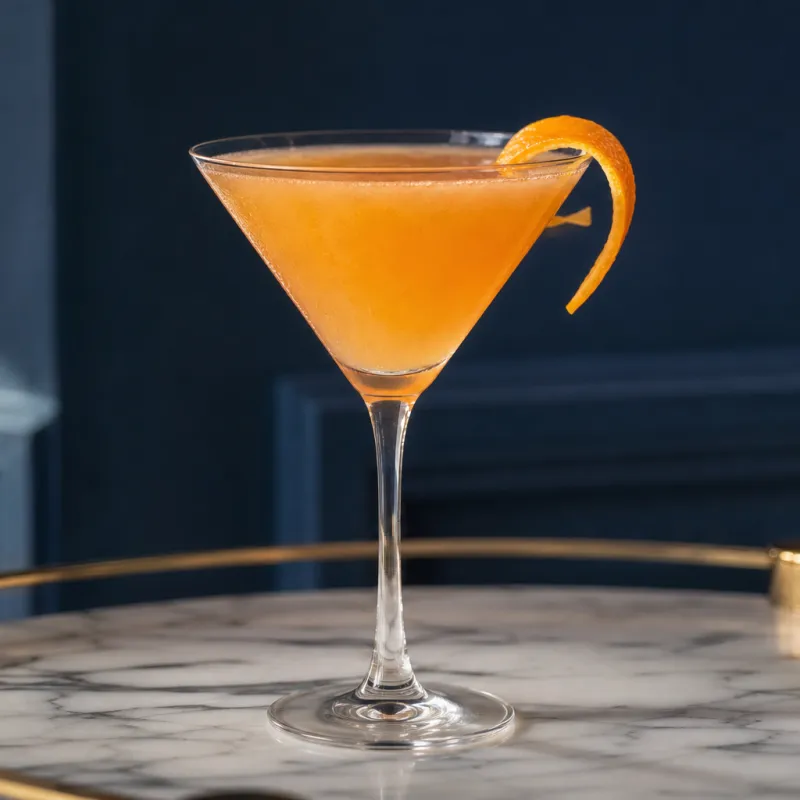
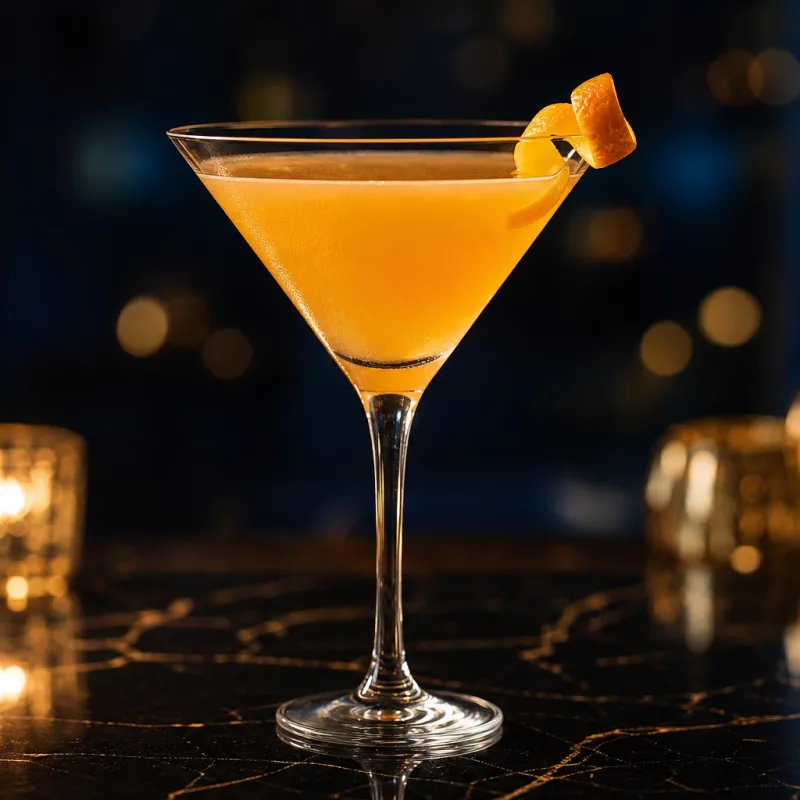
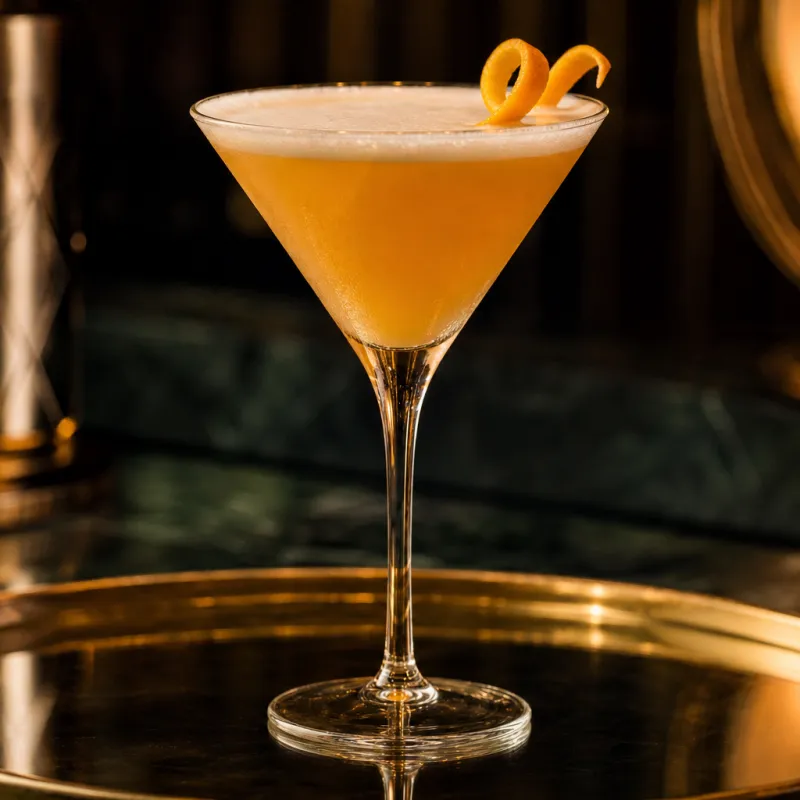
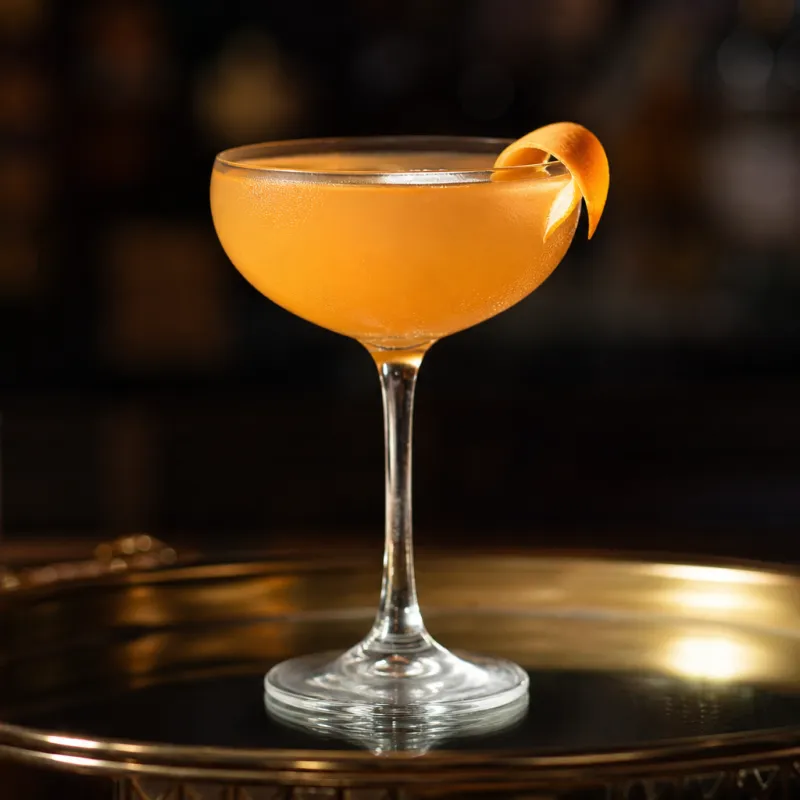
Fresh orange and dry gin, then an unexpected flicker of anise and a blush of pomegranate. It is a breakfast-juice color in a cocktail glass, with far more going on than first appears.
3.9Editors’ rating
Taste4
Balance3.9
Easy to make3.8
Popularity45
Reader rating: No reader ratings yet. Be the first.
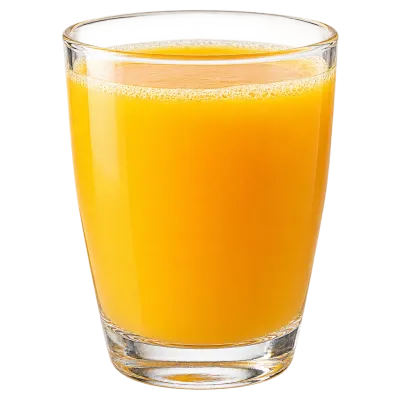
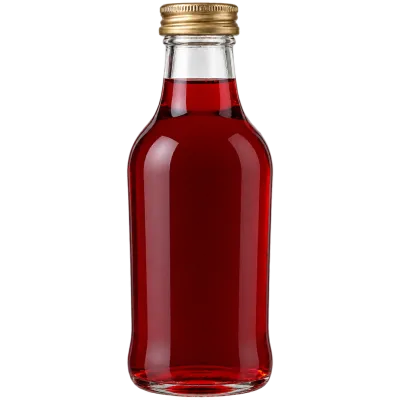
Add gin, orange juice, absinthe and grenadine to a shaker filled with ice.
Shake hard for about 12 seconds.
Double strain into the chilled glass and garnish with an orange twist.
Link copied
Watch it made
Monkey Gland
Taste
Fruity and citrusy with dry gin, a faint anise lift and a hint of pomegranate sweetness. Medium-bodied and moderately strong.
History and origin
The Monkey Gland was created in the 1920s by Harry MacElhone, owner of Harry's New York Bar in Paris. Its odd name refers to the work of the surgeon Serge Voronoff, who became famous at the time for grafting slices of monkey testicle tissue onto men in the hope of restoring youth and vigor. The treatment was widely discussed in the press and gave MacElhone a provocative name for a new drink.
The cocktail itself is far more respectable than its namesake: a simple gin and orange sour-style drink, given depth by small amounts of absinthe and grenadine. Some recipes replace the absinthe with pastis or Bénédictine. The International Bartenders Association lists the Monkey Gland among its Unforgettables.
Bartender tips
The IBA spec calls for only drops of absinthe and grenadine; many bartenders use up to a barspoon of grenadine for more color and sweetness.
Squeeze the orange juice fresh; blood oranges or a mix with a little lemon juice add brightness if your oranges are sweet.
Rinsing the glass with absinthe instead of adding it to the shaker gives a more aromatic, less dominant anise note.
Variations
Bénédictine Monkey Gland
An early variant replaces the absinthe with Bénédictine for a honeyed, herbal note.
Pastis Monkey Gland
Use pastis in place of absinthe for a softer, rounder anise flavor.
Frequently asked questions
Why is it called Monkey Gland?
The name refers to Serge Voronoff, a surgeon who grafted monkey gland tissue onto patients in the 1920s in an attempt to rejuvenate them.
Can I make a Monkey Gland without absinthe?
Yes. Pastis or Bénédictine are traditional alternatives, though the drink loses some of its anise character.
Who invented the Monkey Gland?
It is credited to Harry MacElhone of Harry's New York Bar in Paris in the 1920s.