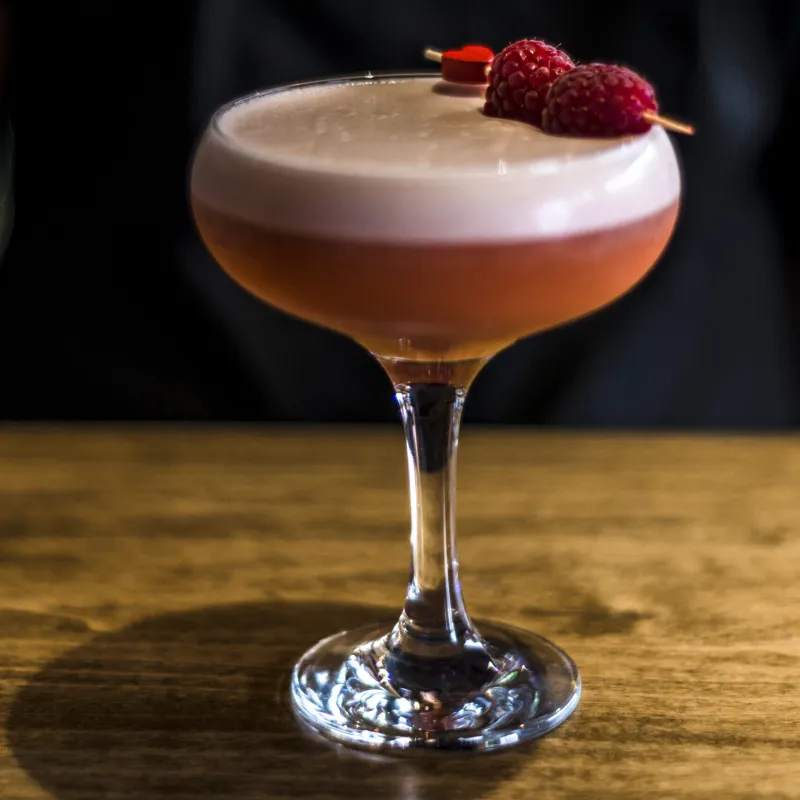
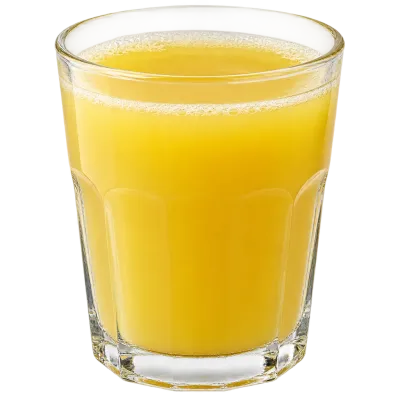
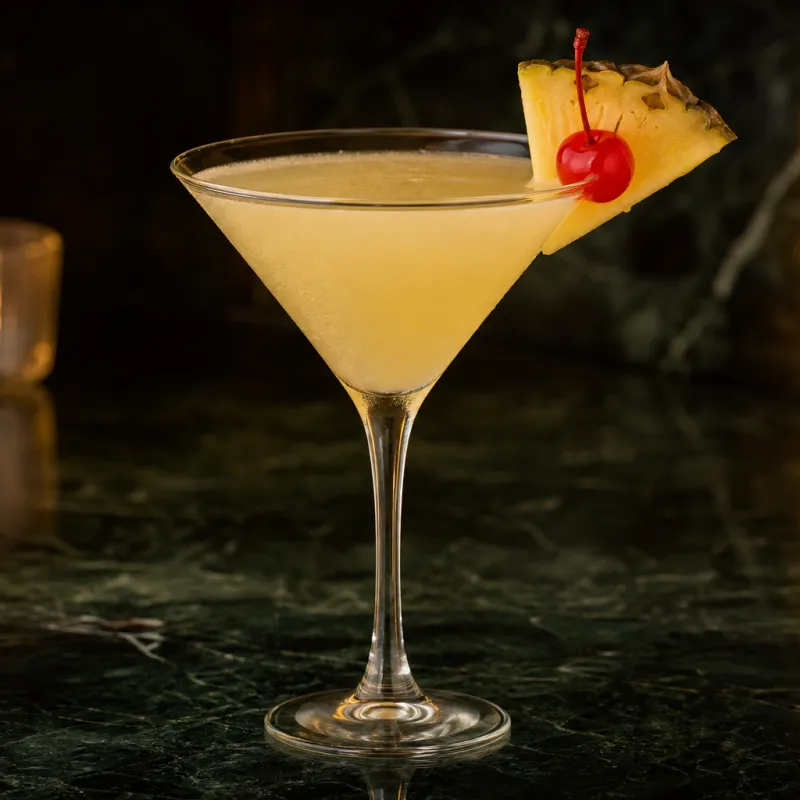
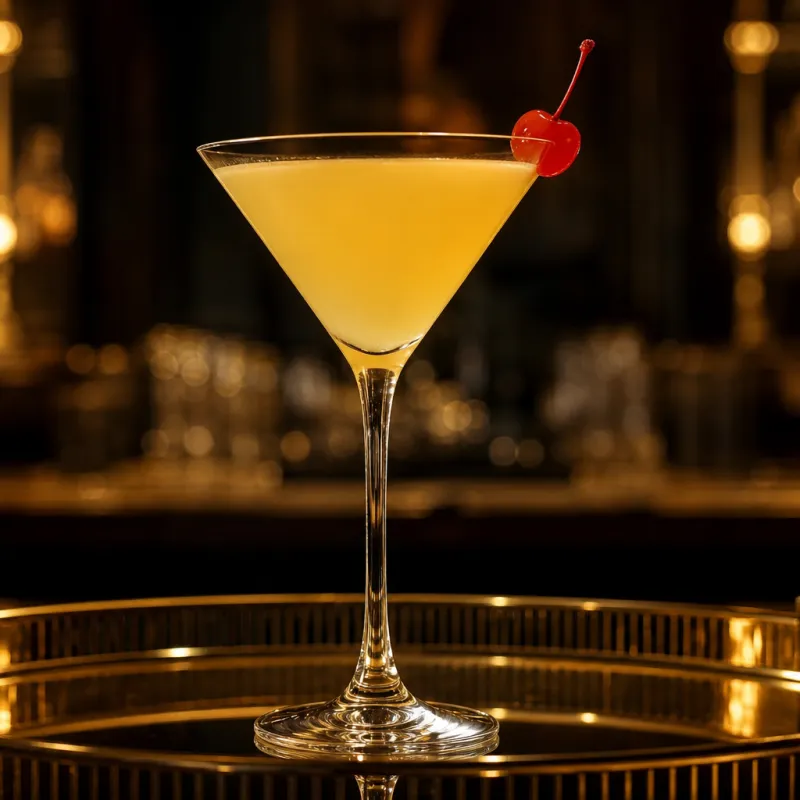
Shake pineapple juice hard and it builds a fine, pale foam all by itself. Under it sits a clean vodka base with ripe raspberry and a light tropical tang.
3.7Editors’ rating
Taste3.8
Balance3.7
Easy to make4.5
Popularity60
Reader rating: No reader ratings yet. Be the first.
Garnish: Lemon peel, expressed · Ice: Served up, no ice
Method
Chill a cocktail glass in the freezer.
Add vodka, raspberry liqueur and pineapple juice to a shaker with ice.
Shake very hard for 15 seconds to build the foam.
Double strain into the chilled glass.
Squeeze a lemon peel over the top to release its oils and discard it.
Link copied
Watch it made
French Martini
Taste
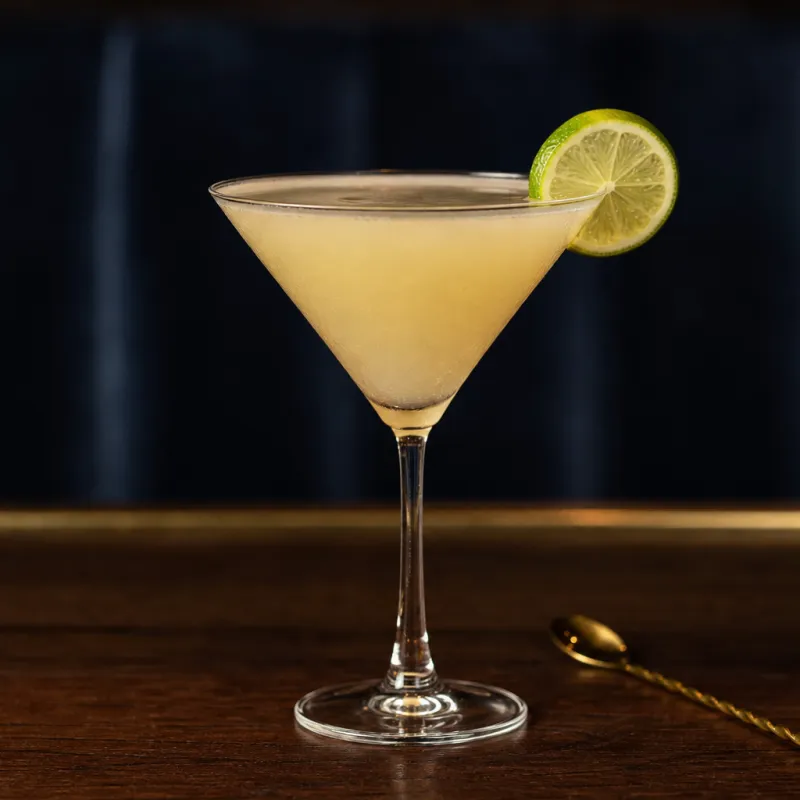
Ripe raspberry and pineapple over a clean vodka base, with a light, silky foam. Fruity but not sugary, and fairly strong.
History and origin
The French Martini is a child of the 1980s vodka boom, when bartenders poured almost anything into a martini glass and called it a Martini. It is usually credited to the New York bars of restaurateur Keith McNally in the late 1980s, though, as with many drinks of that era, the details are hard to pin down.
The French part of the name comes from the raspberry liqueur: the best-known brand, Chambord, is made in France. The drink became one of the defining cocktails of the 1990s and is now listed by the International Bartenders Association among its New Era drinks. The IBA spec is short and fairly strong; many bars serve it with more pineapple juice for a softer, fruitier drink.
Bartender tips
Fresh pineapple juice foams best; if you use carton juice, choose one without added sugar.
A longer, harder shake gives a thicker foam, which is the signature of the drink.
Prefer a fruitier drink? Many bars use 30 to 45 ml pineapple juice; the IBA spec is stronger and drier.
Variations
French Martini long (twist)
Use 45 ml pineapple juice and serve in a coupe for a lighter, juicier version.