 ★ 3.7
★ 3.7 Scotch whisky cocktails
Scotch whisky brings malt, fruit, honey and sometimes peat smoke to the glass. It is the base of the Rob Roy, the Rusty Nail, the Blood and Sand, the Penicillin and the classic whisky highball. This page gathers Scotch cocktails and explains how blended and single malt whisky differ, what peat does to the flavour and which style of Scotch suits which kind of drink.
11 cocktails
★ 3.7 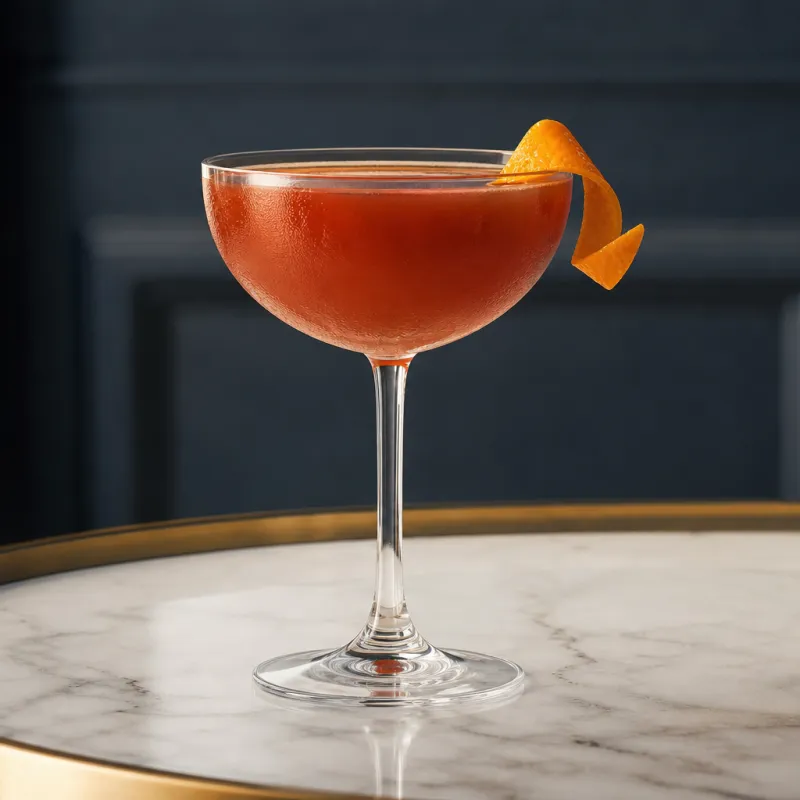 ★ 3.9
★ 3.9 Blood and Sand
 ★ 3.8
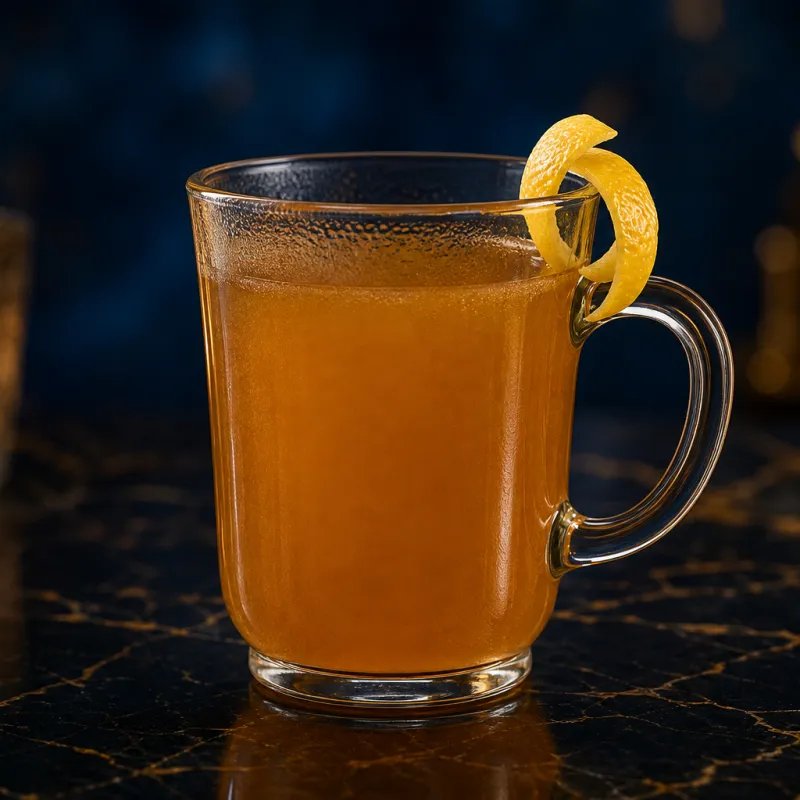
★ 3.8 Blue Blazer
 ★ 4.1
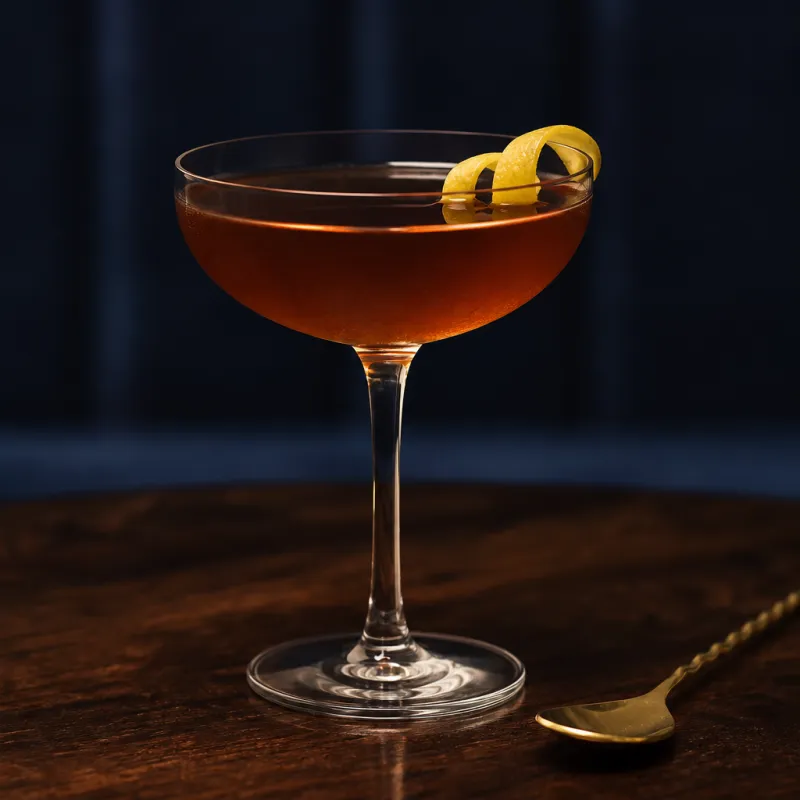
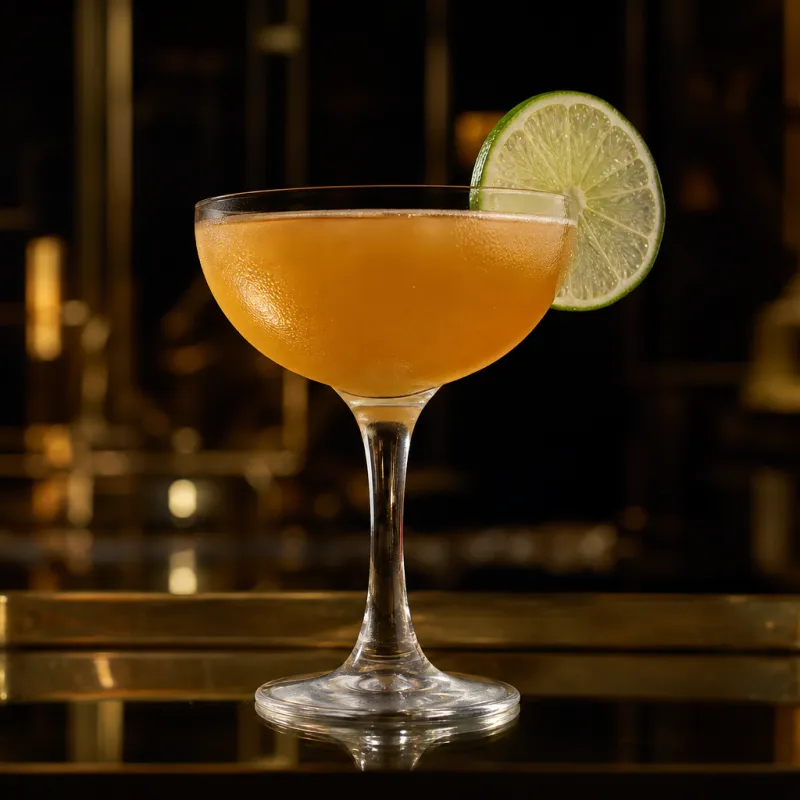
★ 4.1 Bobby Burns
 ★ 3.8
★ 3.8 Churchill
 ★ 3.9
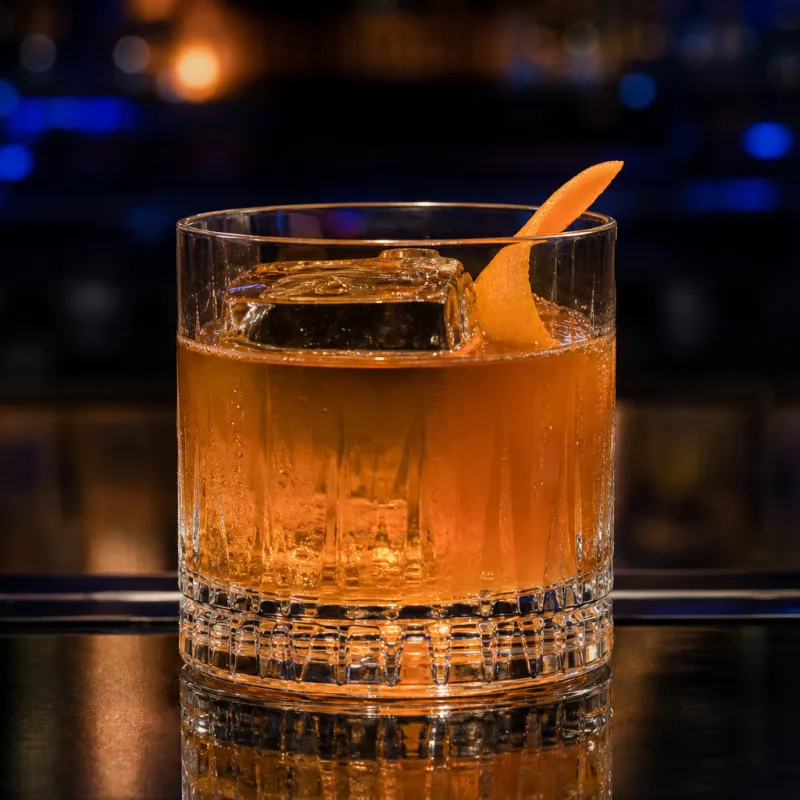
★ 3.9 Godfather
 IBA ★ 4.7
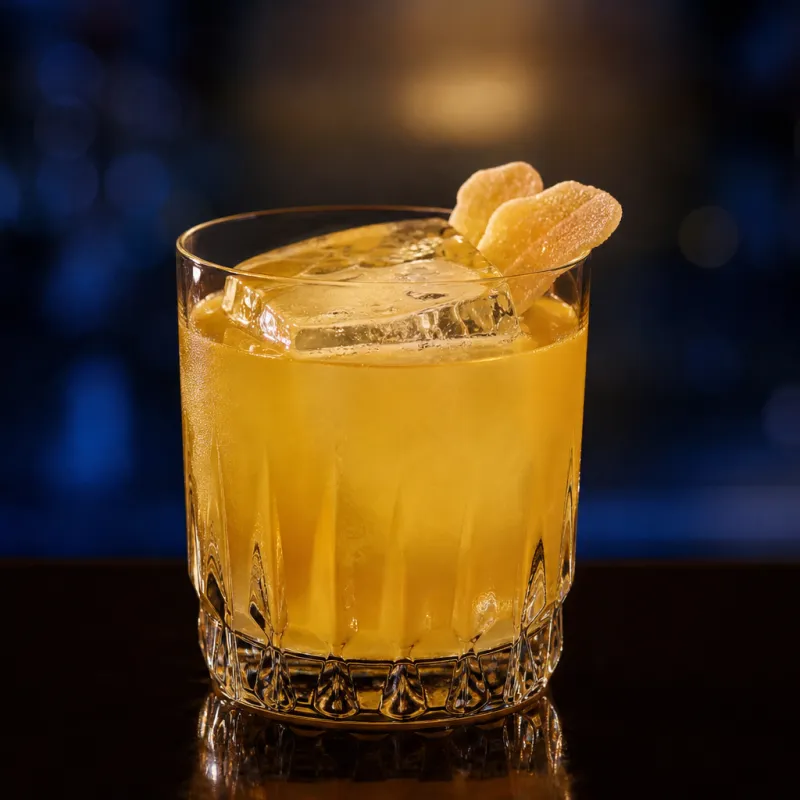
 Penicillin
 ★ 4.4
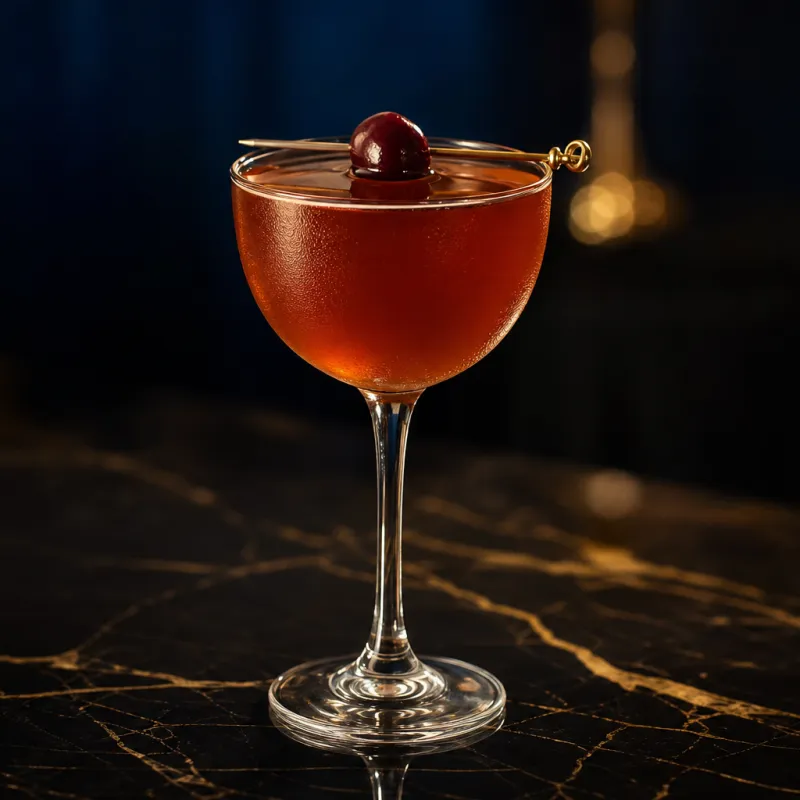
★ 4.4 Rob Roy
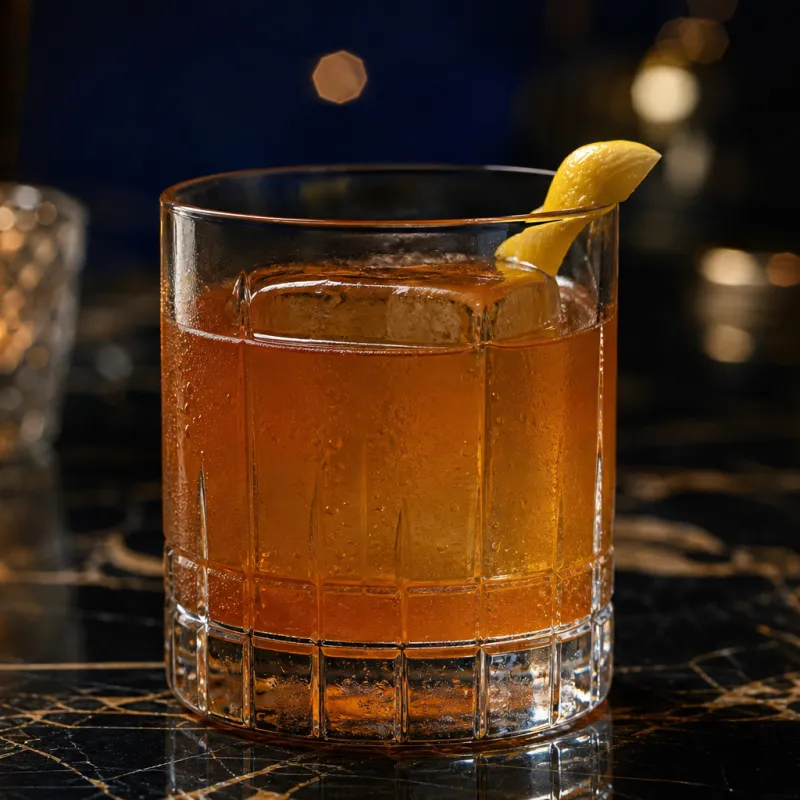 IBA ★ 4
 Rusty Nail
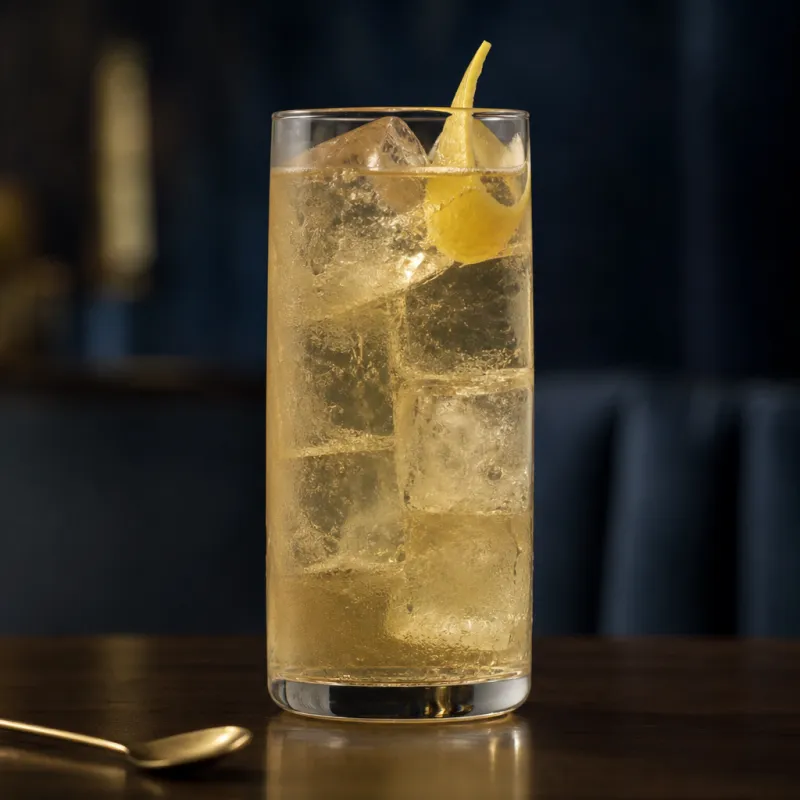 ★ 3.8
★ 3.8 Scotch and Soda
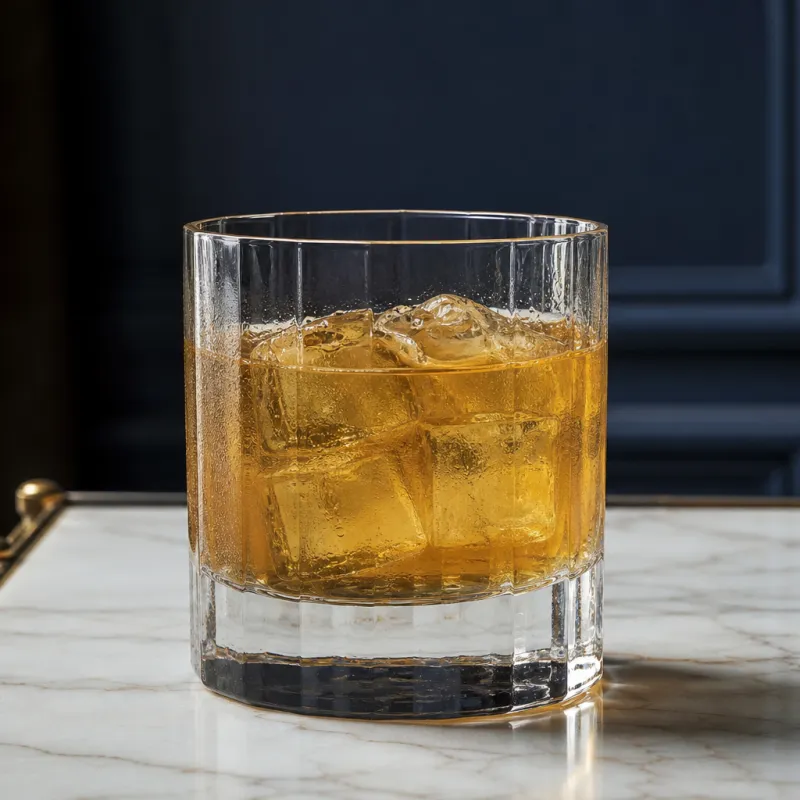 ★ 3.8
★ 3.8 Whisky Mac
No cocktails found. Try another word or browse the A to Z list.
What Scotch whisky is
Scotch whisky must be distilled and matured in Scotland, aged in oak casks for at least three years and bottled at a minimum of 40 percent. Most Scotch is matured in casks that previously held bourbon or sherry, which shape its vanilla, fruit and spice notes.
Blended and single malt
- Single malt: made from malted barley at a single distillery. Styles vary widely by region and producer.
- Blended Scotch: a mix of malt and grain whiskies. Usually lighter and smoother, and the most common choice for cocktails.
- Blended malt: a mix of single malts from several distilleries, without grain whisky.
Peat and smoke
Some distilleries dry their barley over peat fires, which gives phenolic, smoky and medicinal notes. Islay whiskies are famous for this. Heavily peated Scotch can dominate a cocktail, so it is often used in small amounts: as a rinse, a float or a split base, as in the Penicillin, where a little peated whisky is floated on top of a blended Scotch sour.
Choosing a bottle
For most recipes a good blended Scotch is ideal. It mixes well and is affordable. Keep a peated whisky for accents, and save older single malts for sipping.
Typical ratios
The Rob Roy uses 60 ml Scotch, 30 ml sweet vermouth and a dash of bitters, stirred. The Rusty Nail combines Scotch with Drambuie, often in a ratio of about 2:1 or 3:1 over ice. A Scotch highball uses 40 to 50 ml whisky with about 120 ml cold soda water.