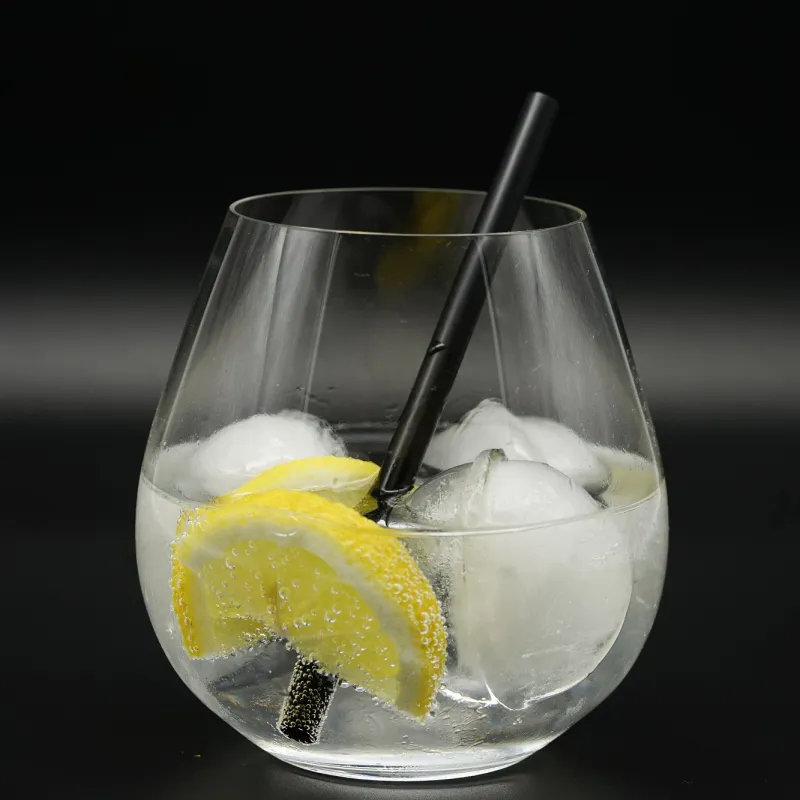
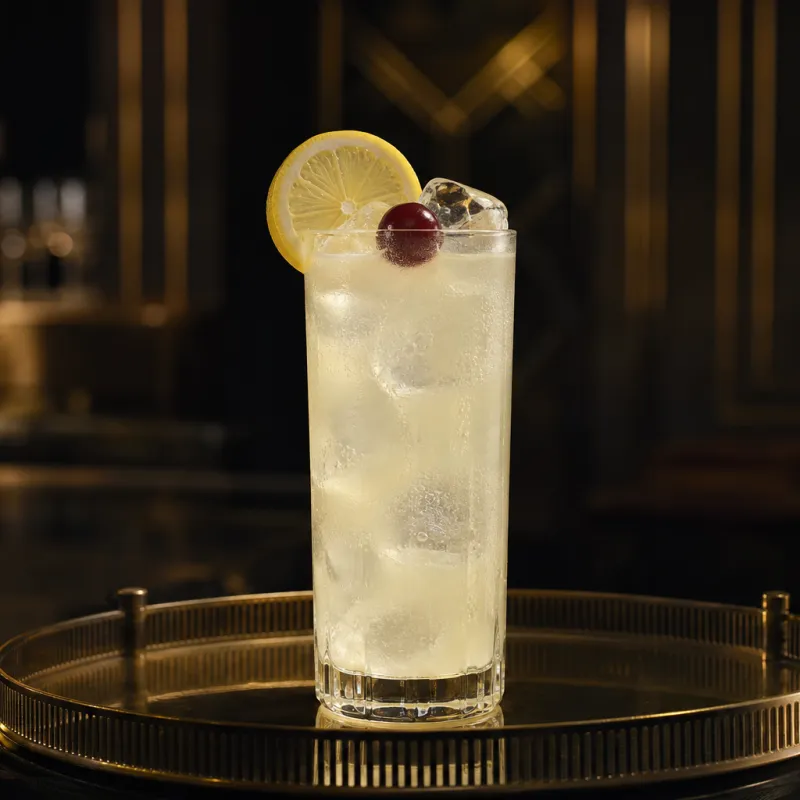
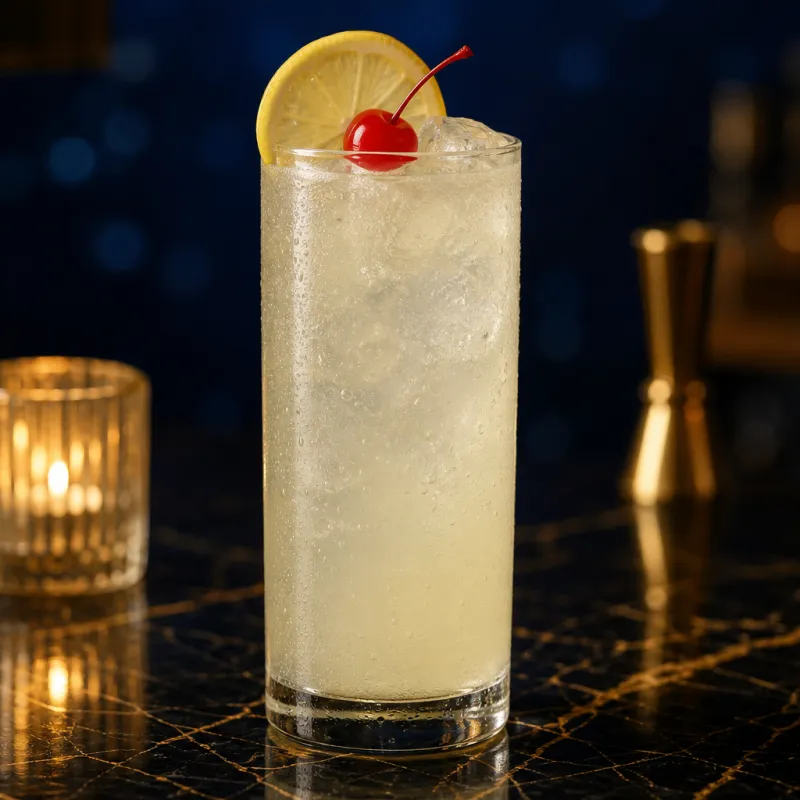
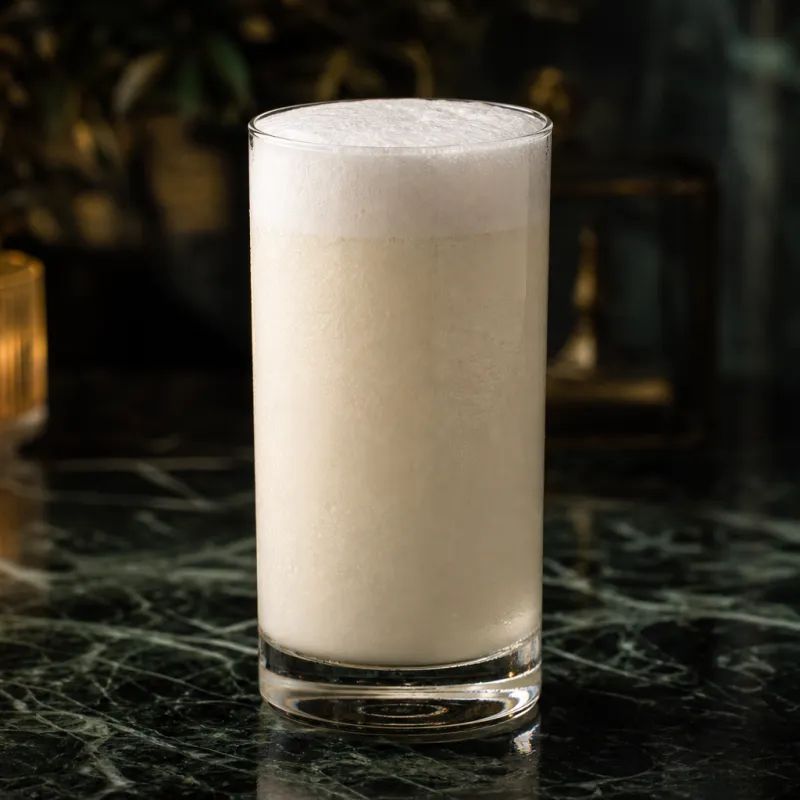
A glass packed with ice, a good measure of gin and freshly opened tonic poured gently down a bar spoon. Simple, but getting it right means cold ingredients, lots of ice and a garnish that suits the gin.
4.3Editors’ rating
Taste4.3
Balance4.4
Easy to make5
Popularity98
Reader rating: No reader ratings yet. Be the first.
Fill a highball or balloon glass to the top with ice cubes and stir to chill the glass; pour off any meltwater.
Add the gin.
Pour the cold tonic water slowly down a bar spoon to keep the bubbles.
Stir once gently and garnish with a lime or lemon wheel.
Link copied
Watch it made
Gin and Tonic
Taste
Dry juniper and citrus, gentle quinine bitterness and lively bubbles. Crisp, refreshing and moderately strong.
History and origin
Tonic water owes its bitterness to quinine, extracted from cinchona bark, which was used in the nineteenth century to prevent and treat malaria. British officials and soldiers in India took their quinine dissolved in soda water with sugar, and adding gin made the daily dose far more pleasant. Commercial Indian tonic waters were sold in Britain from the 1870s.
From colonial India the drink spread through the British Empire and then around the world. Since the 2000s, Spain in particular has turned it into a showpiece, the gin tonic served in large balloon glasses with creative garnishes, and a wave of premium gins and tonics has followed.
Bartender tips
More ice means less dilution: a full glass of ice melts slower than a few cubes.
Match the garnish to the gin: citrus for classic London dry, cucumber or herbs for floral gins.
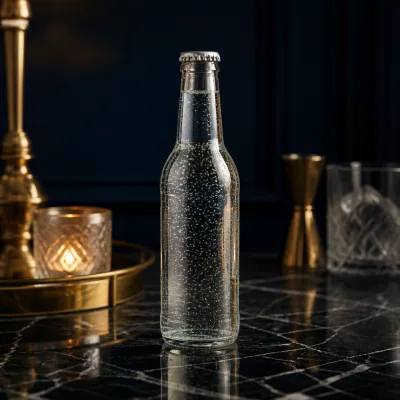
Small bottles of tonic stay fizzier than large ones that sit open.
Variations
Spanish gin tonic
Served in a balloon glass with lots of ice and botanicals such as juniper berries, citrus peel or herbs.
Easy twist: pink
Use pink gin or add a few dashes of Angostura bitters for a pink, spiced version.
Frequently asked questions
What is the best ratio?
Between 1:2 and 1:3 gin to tonic; 50 ml gin to 150 ml tonic is a good starting point.
Lime or lemon?
Both are common. Lime is the classic in many bars, lemon suits softer, citrus-forward gins.
Why does tonic taste bitter?
Because it contains quinine, the bitter alkaloid from the cinchona tree.