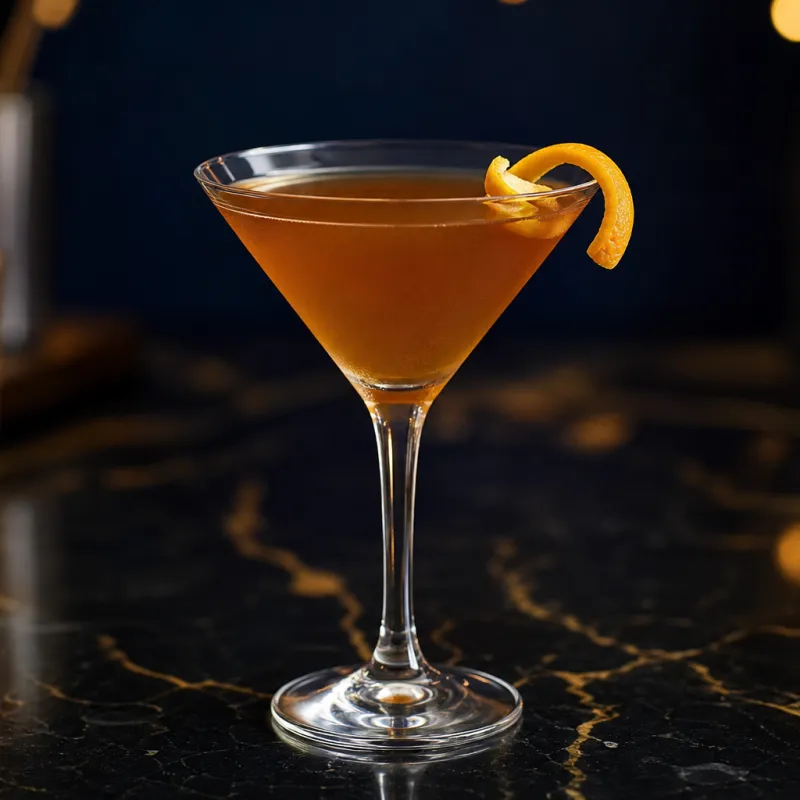
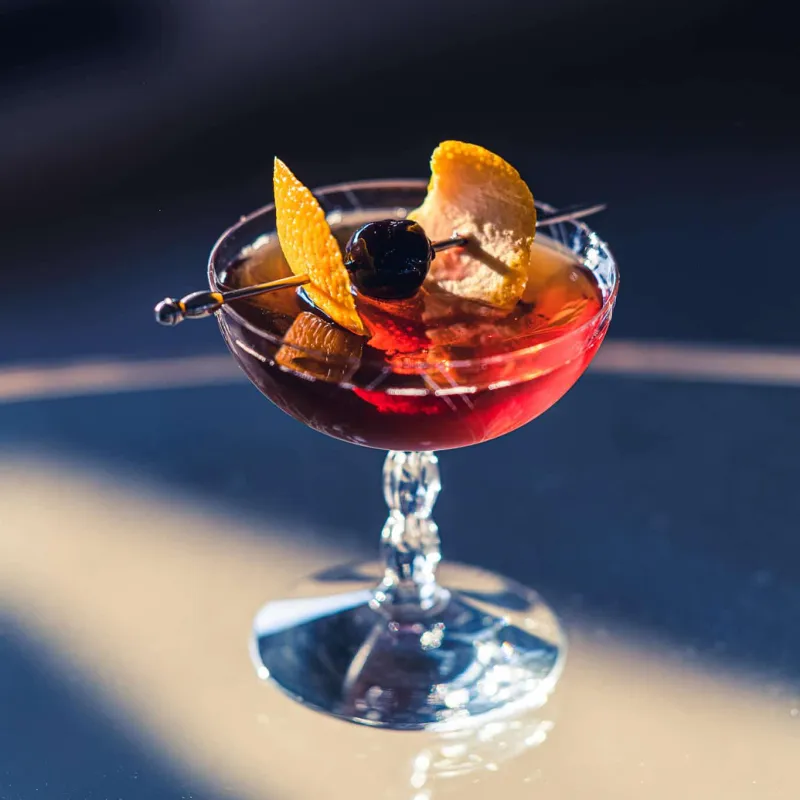
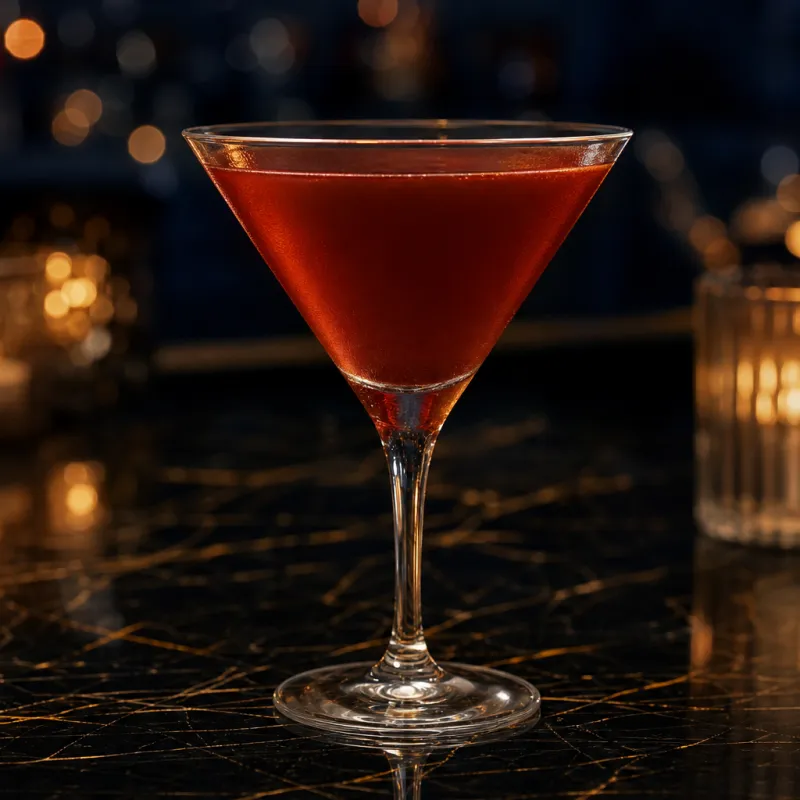
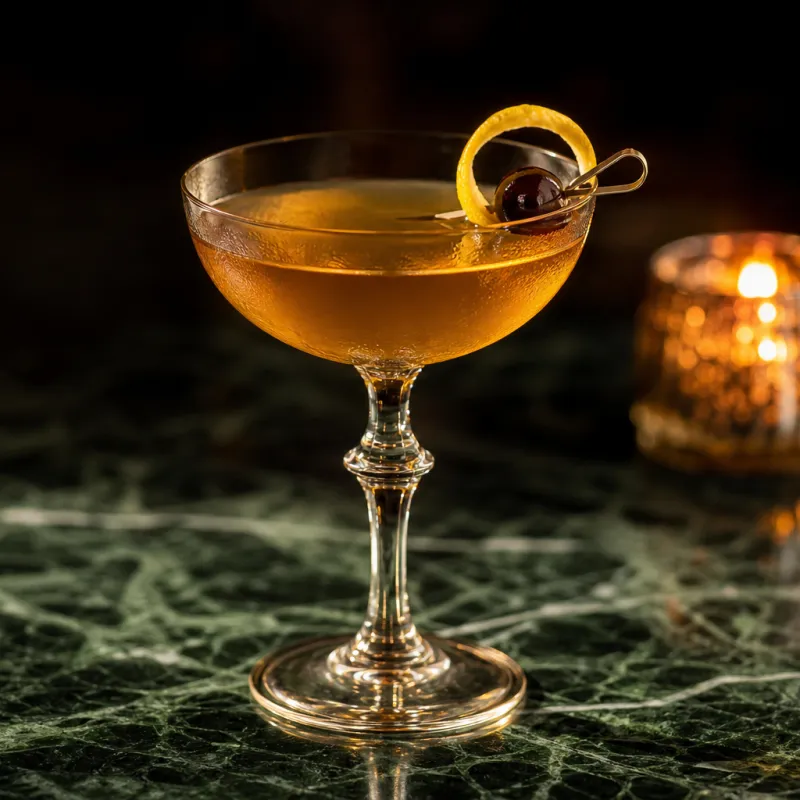
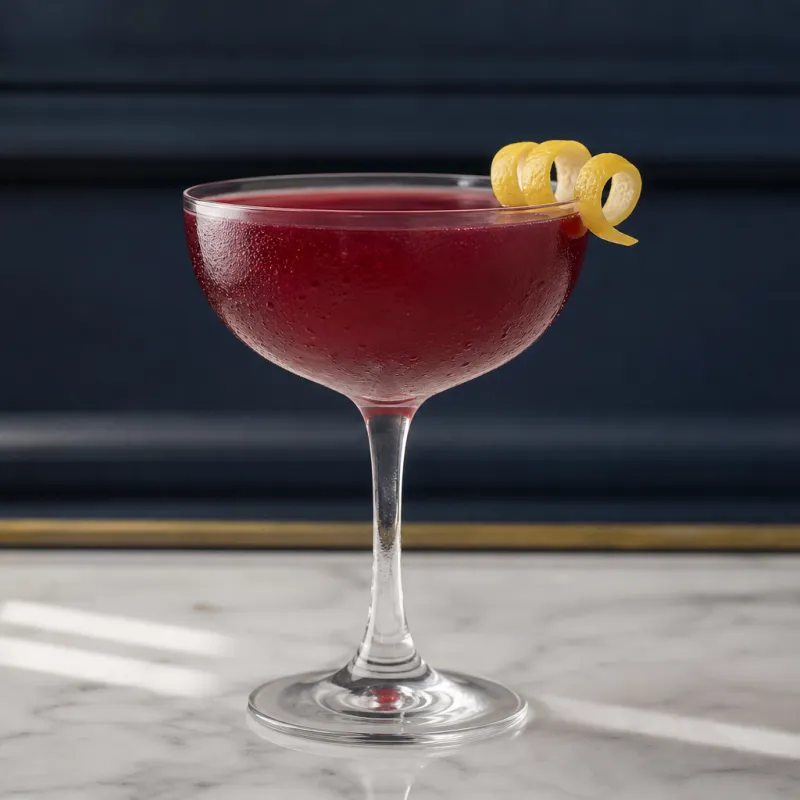
Think of a Manhattan made with Irish whiskey and seasoned with an alpine herb garden. Green Chartreuse brings mint, pine and honey, the vermouth adds dark fruit, and a twist of orange ties it all together.
4.2Editors’ rating
Taste4.3
Balance4.2
Easy to make3.5
Popularity25
Reader rating: No reader ratings yet. Be the first.
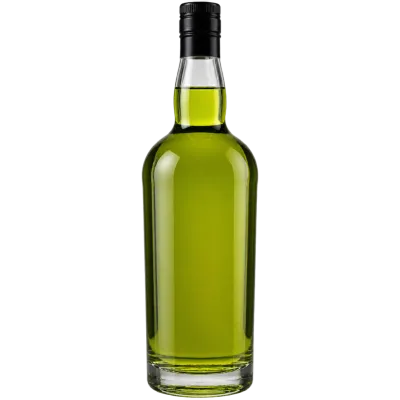
Add Irish whiskey, sweet vermouth, green Chartreuse and Angostura.
Stir for about 20 to 25 seconds until very cold.
Strain into a chilled cocktail glass.
Express an orange peel over the drink and drop it in or discard it.
Link copied
Watch it made
Tipperary
Taste
Rich and herbal with honeyed sweetness, dark fruit from the vermouth and a warm, smooth whiskey base. Strong and spirit-forward.
History and origin
The Tipperary appears in Hugo Ensslin's "Recipes for Mixed Drinks", published in New York in 1916, as a mix of Irish whiskey, sweet vermouth and green Chartreuse in equal parts. The name refers to the Irish county, a fitting match for the whiskey, and the drink turns up in several bar books of the following decades.
Equal parts make a very sweet and intensely herbal drink, so modern bartenders shifted the balance towards the whiskey. The current IBA version, listed among the New Era Drinks, uses twice as much whiskey as vermouth, a smaller measure of Chartreuse and a couple of dashes of Angostura. It belongs to the same family as the Bobby Burns and the Bijou: spirit, vermouth and a herbal liqueur, stirred and served cold.
Bartender tips
Green Chartreuse is powerful: measure it exactly, because even 5 ml more pushes it to the front.
A single pot still Irish whiskey gives more spice and body than a light blend.
Store your vermouth in the fridge once opened; oxidised vermouth makes the drink dull.
Variations
Equal parts Tipperary
The 1916 style with equal parts whiskey, vermouth and Chartreuse: sweeter and much more herbal.