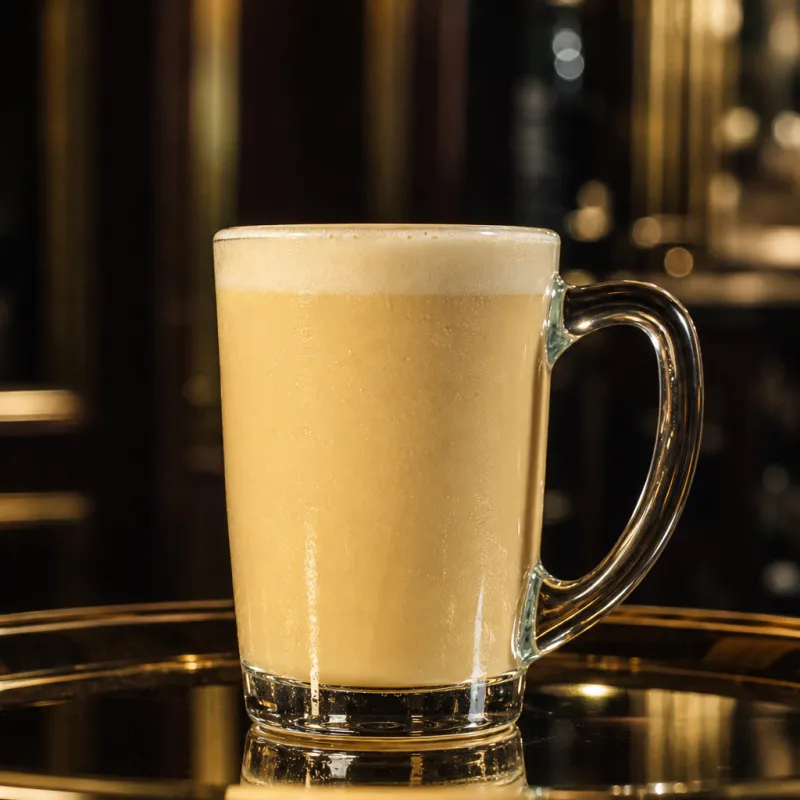
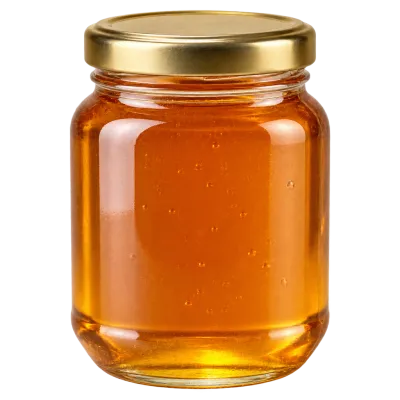
Warm sake, a beaten egg and a spoonful of honey become something between eggnog and a hot toddy. It smells of rice and honey, feels velvety on the tongue and is best drunk while it is still steaming.
3.1Editors’ rating
Taste3.2
Balance3.2
Easy to make3.9
Popularity7
Reader rating: No reader ratings yet. Be the first.
Heat the sake gently in a small saucepan until it is hot and steaming but not boiling, then take it off the heat.
In a heatproof bowl, whisk the egg with the honey until smooth.
Pour the hot sake into the egg in a thin stream, whisking constantly so the egg does not scramble.
Strain through a fine sieve into a warm mug.
Serve at once while it is hot.
Link copied
Watch it made
Tamagozake
Taste
Velvety and custard-like with sweet honey, a savory rice note from the sake and gentle warmth. Mild in alcohol after heating.
History and origin
Tamagozake, literally "egg sake", is a traditional Japanese home drink of heated sake, egg and sugar or honey. It belongs to Japanese folk custom rather than to bar culture, and it has long been made at home in cold weather, especially when someone feels unwell and wants something warm before bed.
The principle is the same as in European egg drinks such as eggnog or the flip: a whole egg is gently cooked by hot alcohol and whisked into a smooth, rich drink. Heating also drives off part of the alcohol, so the result is gentler than a glass of sake.
Recipes vary from family to family; some use sugar instead of honey, others add grated ginger.
Bartender tips
Let the sake cool for half a minute after heating; if it is too hot the egg curdles.
Whisk the egg really smooth first; any unbeaten egg white turns into strands.
A little grated fresh ginger or a pinch of cinnamon adds warmth.
Variations
With ginger
Add a teaspoon of freshly grated ginger to the egg mixture for a spicier drink.
Sugar version
Replace the honey with 1 to 2 teaspoons of sugar, as in many Japanese home recipes.
Frequently asked questions
What is tamagozake?
A traditional Japanese drink of hot sake, egg and honey or sugar, whisked until smooth.
Which sake is best for tamagozake?
An everyday junmai or a creamy nigori sake. Premium ginjo sake loses its delicate aroma when heated.
Is the egg cooked?
The hot sake gently cooks the egg as you whisk it in. Use very fresh eggs and serve the drink immediately.