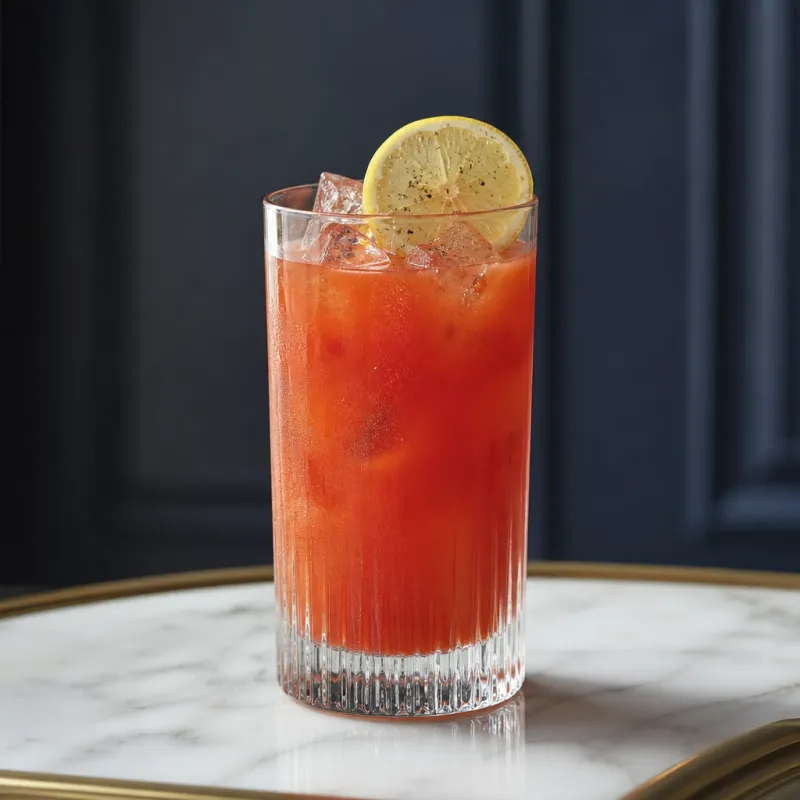
 ★ 3.5
★ 3.5 Sake cocktails
Sake, the Japanese rice brew, brings delicate fruit, umami and a soft texture to cocktails. This page collects sake cocktails, from the Saketini to highballs and sours built around its gentle character. You also learn the basics of sake categories, why polishing the rice matters for flavour and how to use sake without its subtle aromas getting lost behind strong spirits or heavy syrups.
2 cocktails
★ 3.5 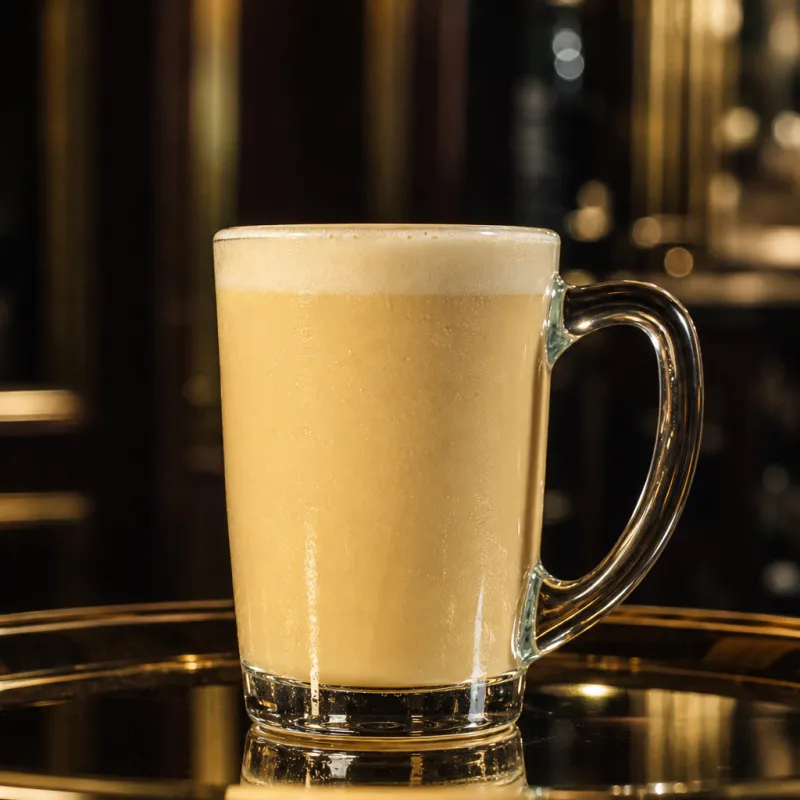 ★ 3.1
★ 3.1 Tamagozake
No cocktails found. Try another word or browse the A to Z list.
What sake is
Sake is made from polished rice, water, yeast and koji, a mold that converts the rice starch into fermentable sugars. Starch conversion and fermentation happen at the same time in the same tank. The result is usually bottled at around 15 to 16 percent alcohol, higher than most wines but far lower than spirits.
Categories and polishing
The outer layers of the rice grain contain proteins and fats that can give rougher flavours. Polishing them away leads to cleaner, more aromatic sake. The remaining percentage is called the seimaibuai.
- Junmai: made with only rice, water, yeast and koji, often fuller and more savoury.
- Ginjo and junmai ginjo: rice polished to 60 percent or less, fruity and fragrant.
- Daiginjo and junmai daiginjo: rice polished to 50 percent or less, very refined and aromatic.
- Honjozo: a small amount of distilled alcohol is added, which can make it lighter and drier.
Sake in cocktails
Sake's flavours are delicate, so it works best with light partners: cucumber, citrus, green tea, elderflower, melon, yuzu or a small amount of gin or vodka. The Saketini replaces part or all of the vermouth in a Martini with sake. Sake highballs with soda water and a twist of citrus are simple and refreshing.
Choosing a bottle
For mixing, a clean junmai or a fruity ginjo in the middle price range works well. Keep the most expensive daiginjo for drinking on its own, lightly chilled. Store opened sake in the fridge and use it within a few weeks.
Typical ratios
A Saketini might combine 50 ml gin with 15 to 20 ml sake, stirred with ice. A sake highball uses about 60 to 90 ml sake with 90 ml cold soda.