 ★ 4.1
★ 4.1 Pisco cocktails
Pisco is the grape brandy of Peru and Chile, clear, aromatic and bottled without wood aging in its Peruvian form. It is best known from the Pisco Sour with its silky egg white foam, but it also shines in the Pisco Punch and the Chilean Piscola. This page collects pisco cocktails and explains the differences between Peruvian and Chilean pisco and the main grape styles.
2 cocktails
★ 4.1 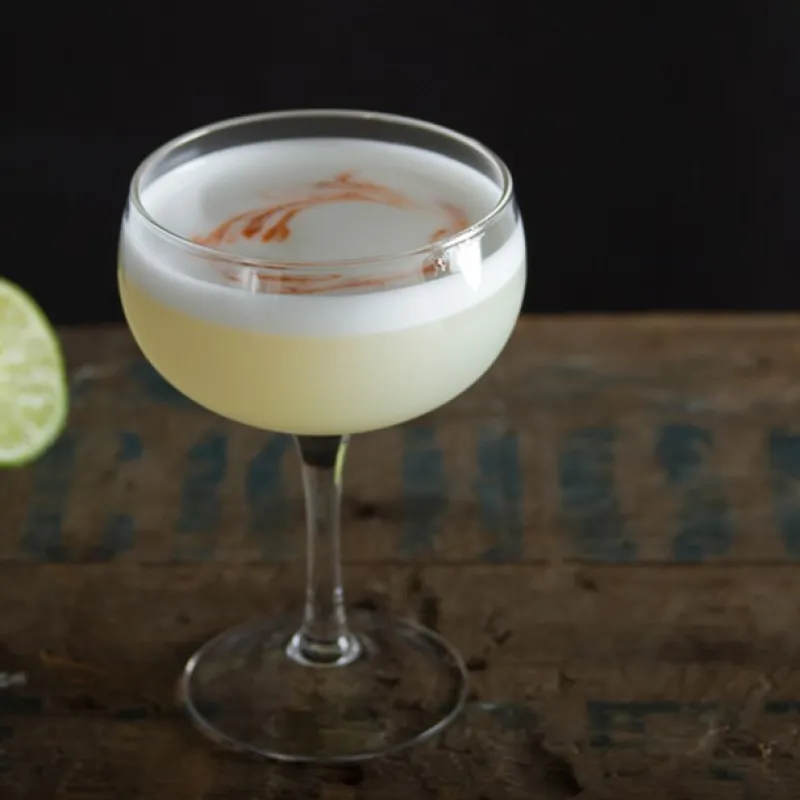 IBA ★ 4.6
 Pisco Sour
No cocktails found. Try another word or browse the A to Z list.
What pisco is
Pisco is a brandy distilled from fermented grape juice. Both Peru and Chile produce it and both claim it as a national spirit, with separate rules. Peruvian pisco must be distilled to bottling strength, with no water added, and it is not aged in wood. Chilean pisco may be diluted with water and some bottles are aged in wood.
Styles and grapes
- Puro: made from a single grape variety, for example Quebranta, which is non-aromatic, earthy and a common choice for the Pisco Sour.
- Aromatic varieties: Italia, Torontel or Moscatel give floral, grapey notes.
- Acholado: a blend of several grape varieties, balanced and versatile.
- Mosto verde: distilled from partially fermented must, softer and more complex.
Pisco in cocktails
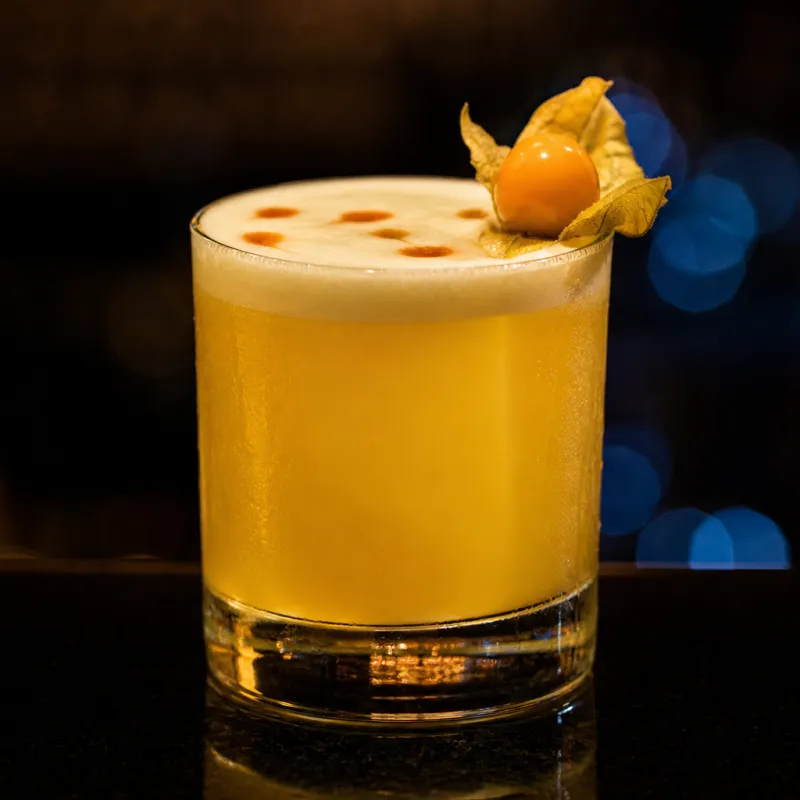
The Pisco Sour is the classic: pisco, lime juice, simple syrup and egg white, dry shaken and then shaken with ice, served with a few drops of aromatic bitters on the foam. In Chile, pisco with cola, the Piscola, is extremely popular. The Pisco Punch, with pineapple, became famous in San Francisco in the late nineteenth century.
Choosing a bottle
For sours, a Quebranta or an acholado works very well. Aromatic piscos suit lighter highballs with tonic or ginger ale, where their floral notes can show.
Typical ratios
A Pisco Sour uses about 60 ml pisco, 30 ml lime juice, 20 ml simple syrup and one egg white. Chill the glass well and add the bitters only on top of the foam, as they are meant for aroma.