 ★ 3.7
★ 3.7 Champagne cocktails
Champagne turns a simple cocktail into an occasion. The French 75, the Kir Royal, the Champagne Cocktail, the Death in the Afternoon and the Black Velvet all use it. This page gathers Champagne cocktails and explains what makes Champagne different from other sparkling wines, which style to buy for mixing and when a good crémant or other traditional method sparkling wine will do the job just as well.
8 cocktails
★ 3.7 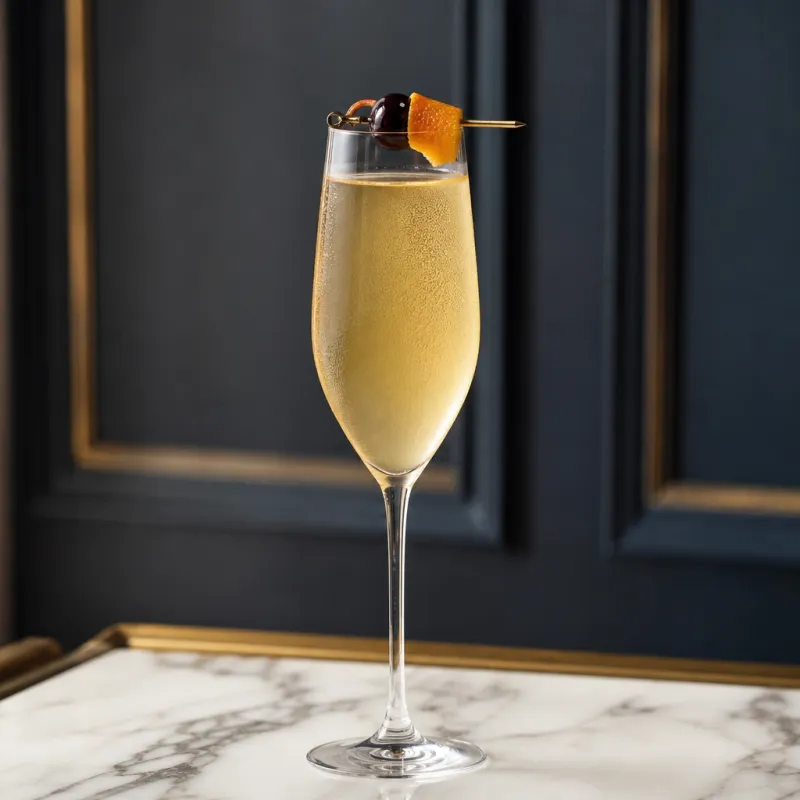 IBA ★ 4.2
 Champagne Cocktail
 ★ 3.8
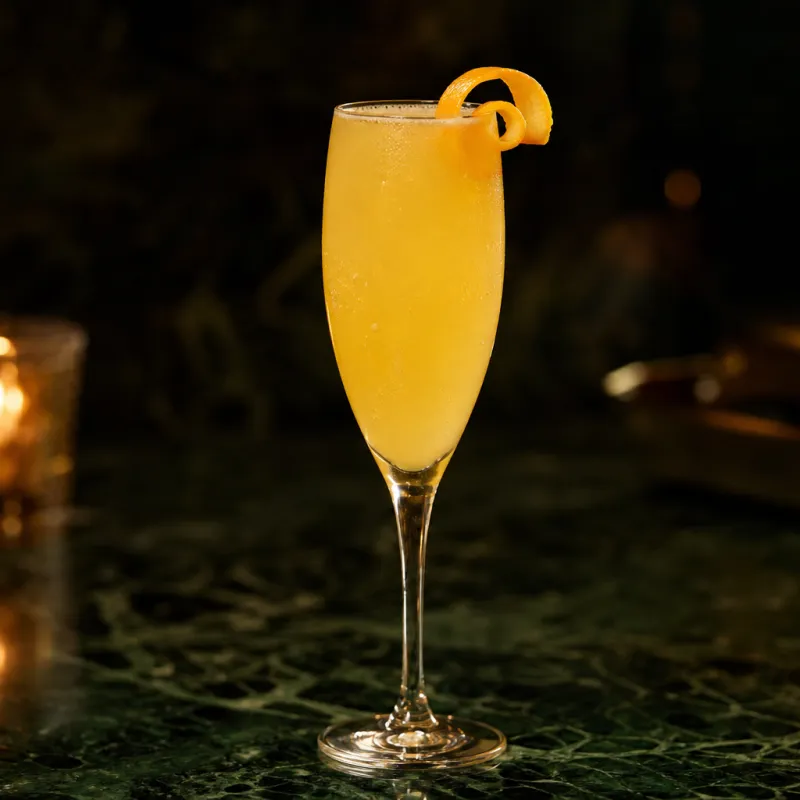
★ 3.8 Golden Doublet
 ★ 4.1
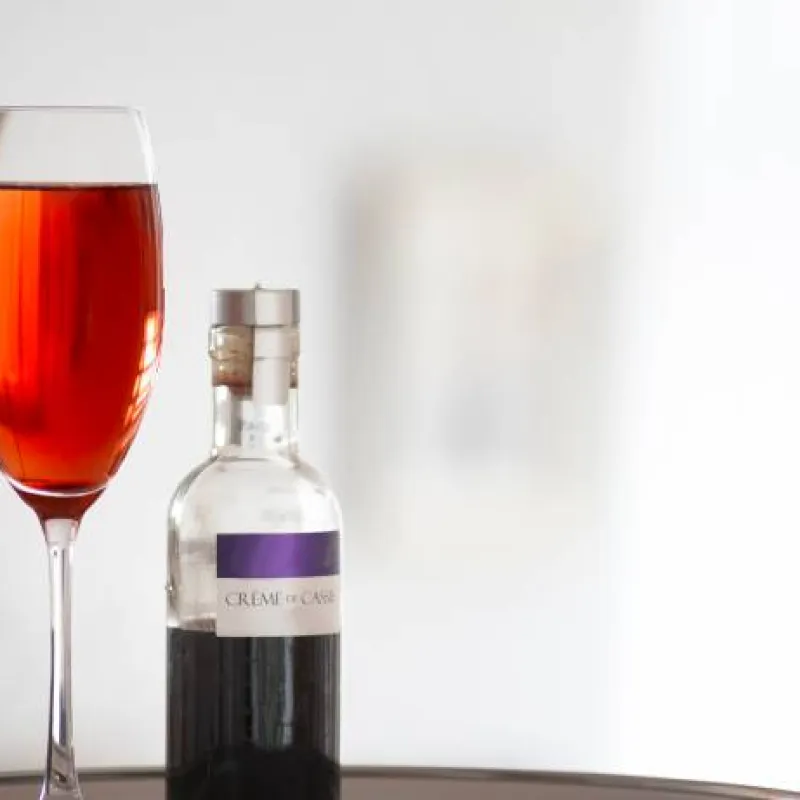
★ 4.1 Kir Royal
 IBA ★ 3.9
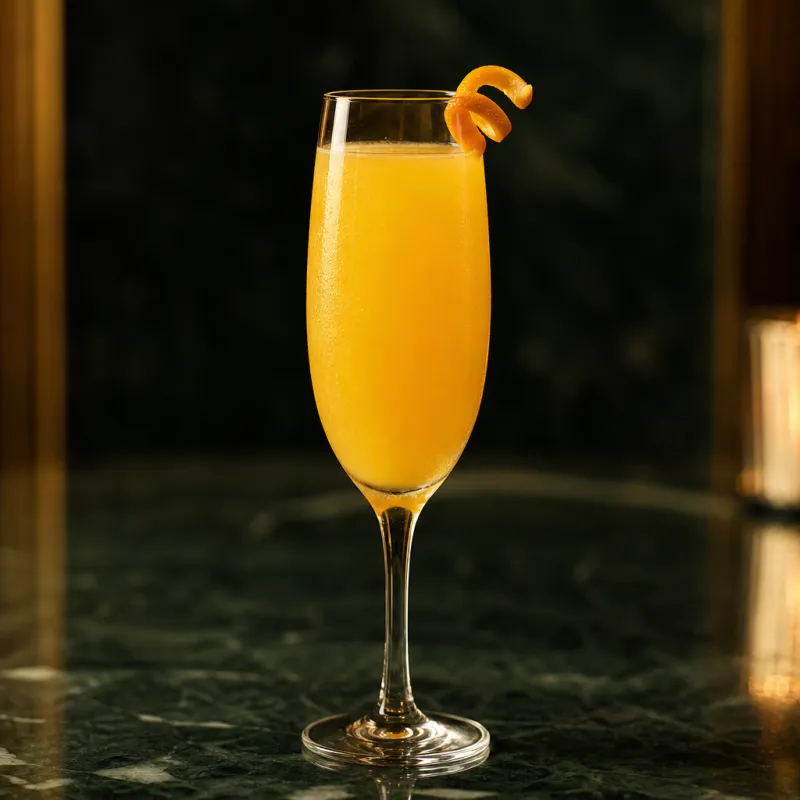
 Mimosa
 ★ 3.9
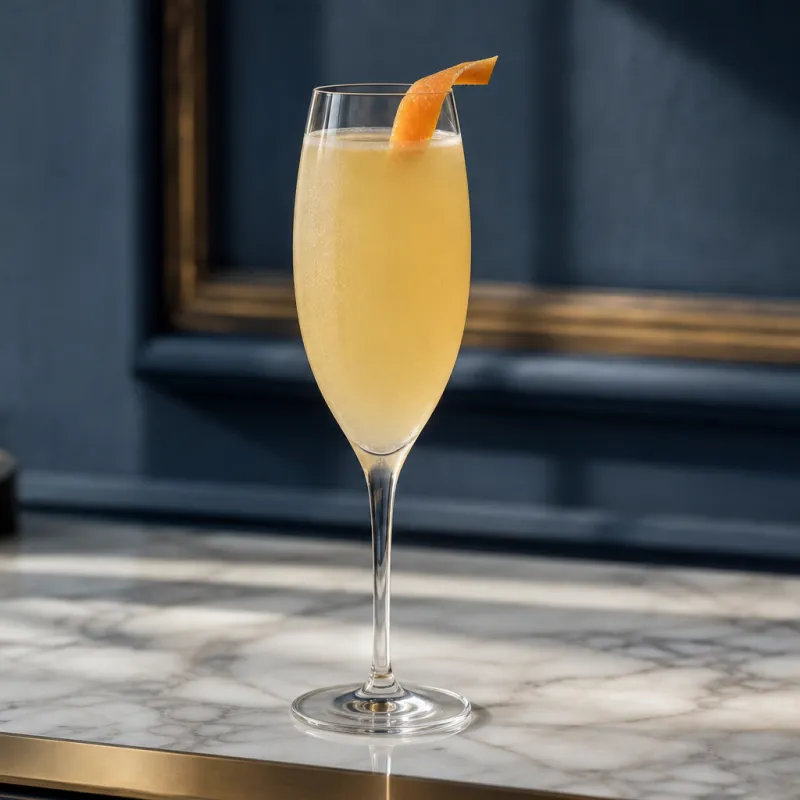
★ 3.9 Moonwalk
 ★ 3.5
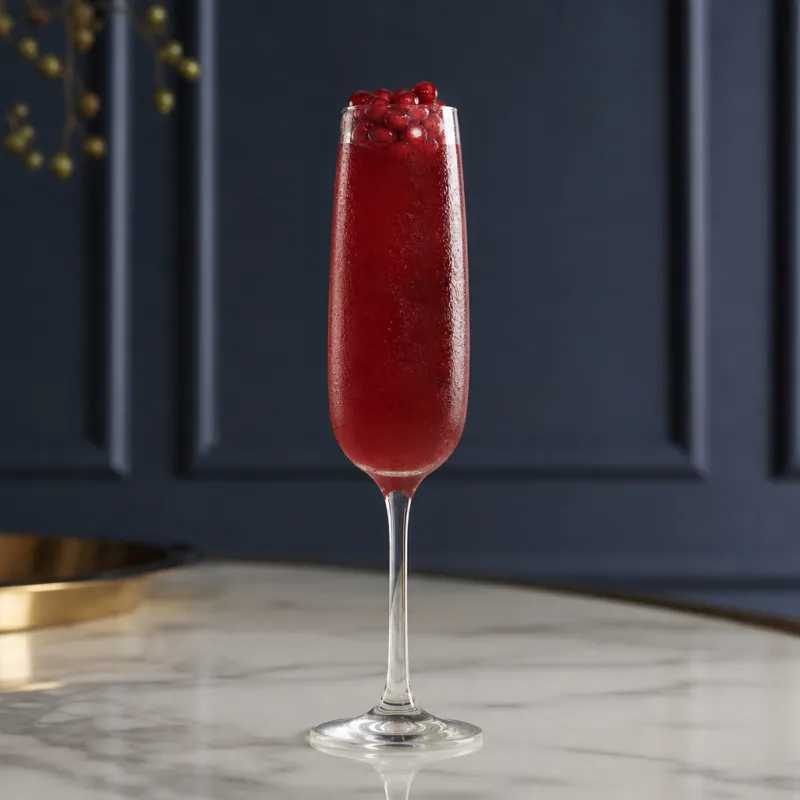
★ 3.5 Ruby Dutchess
 ★ 3.2
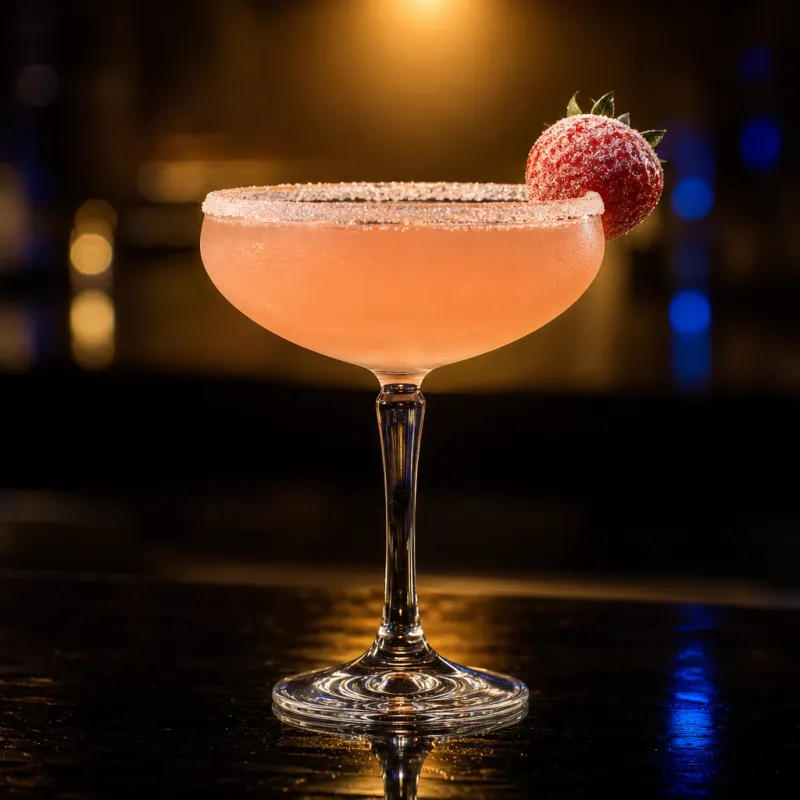
★ 3.2 Savoy Affair
No cocktails found. Try another word or browse the A to Z list.
What Champagne is
Champagne is a protected sparkling wine from the Champagne region in northeastern France. It is made by the traditional method, with the second fermentation in the bottle, and must age for a minimum period before release: at least 15 months for non-vintage Champagne and three years for vintage. The main grapes are Chardonnay, Pinot Noir and Pinot Meunier. Sparkling wine from anywhere else may not be called Champagne.
Styles
- Brut non-vintage: the house style of each producer, dry and balanced. The standard choice for cocktails.
- Blanc de blancs: only white grapes, usually Chardonnay. Lean, citrusy and elegant.
- Blanc de noirs: white wine from black grapes, fuller and fruitier.
- Rosé: fruity with red berry notes, good in drinks with berries or Aperitivo bitters.
- Extra brut and brut nature: very dry, with little or no added sugar.
Champagne in cocktails
Champagne cocktails are generally simple, so the wine remains clearly noticeable. The Champagne Cocktail adds a sugar cube soaked in Angostura bitters and sometimes a little cognac. The Kir Royal adds crème de cassis. The French 75 tops a shaken mix of gin, lemon juice and sugar with Champagne.
Champagne or another sparkling wine
In recipes with strong partners, a dry crémant or cava made by the same method works very well and costs less. Save Champagne for drinks where it is the star, and use a brut style unless the recipe says otherwise.
Serving tips
Chill the bottle to about 6 to 8 degrees Celsius. Pour slowly into a tilted flute or tulip glass and add it last, after all other ingredients.