Every cocktail recipe ends with a method: shake, stir, build, muddle, layer or blend. The method is not decoration. It decides how cold the drink gets, how much water melts into it, how much air it takes in and what it feels like in the mouth. This guide explains each technique, when to use it and the common mistakes that hold home drinks back.
What every technique does: chill, dilute, texture
Whenever ice touches a drink, three things happen at once. The drink gets colder, some ice melts and dilutes it, and depending on the method, air is either whipped in or kept out. Dilution is not a flaw. A properly made cocktail contains a significant share of melted water, and that water softens the alcohol and lets the flavours open up. A Martini that has not been stirred long enough tastes hot and harsh; one that has been stirred too long tastes thin. Getting technique right is mostly about controlling this balance.
Shaking
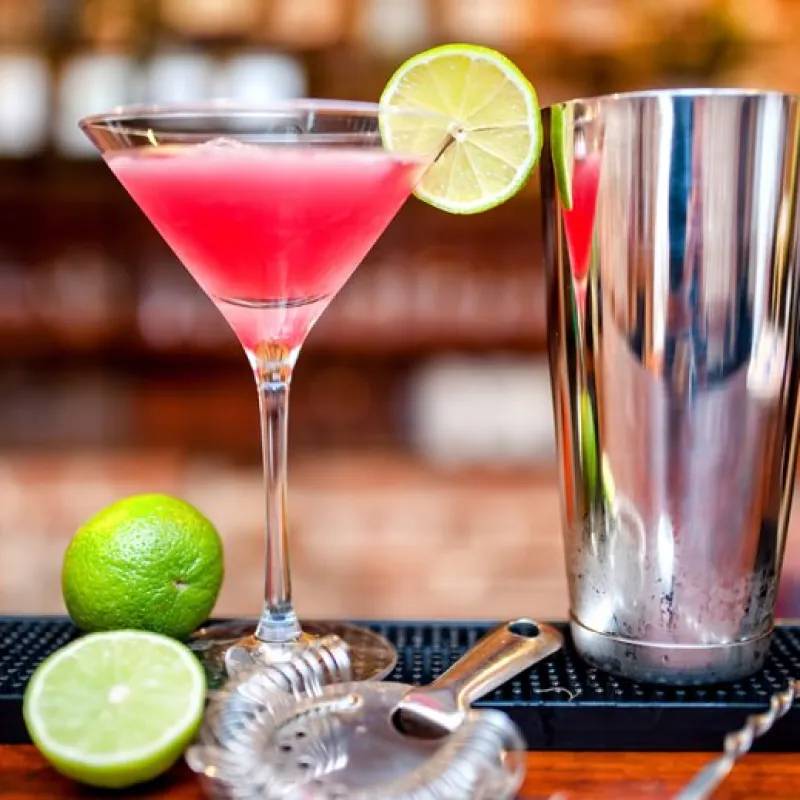
When: for drinks that contain citrus juice, other juices, cream, egg or thick syrups. Shaking mixes ingredients of different densities, chills fast and adds tiny air bubbles that give a lively, slightly frothy texture. The Daiquiri, the Margarita, the Whiskey Sour, the Cosmopolitan and the Espresso Martini are all shaken.
How:
- Add the ingredients to the smaller tin (or the glass) first, then fill the large tin generously with ice.
- Close the shaker firmly and hold it with both hands, one on each end.
- Shake hard for about 12 to 15 seconds, until the outside of the tin is frosted and almost painfully cold.
- Strain into a chilled glass. For drinks served without ice, double strain through a fine strainer to catch ice shards.
Variations:
- Dry shake: for drinks with egg white or aquafaba, shake first without ice to build foam, then add ice and shake again. Some bartenders prefer a reverse dry shake: shake with ice, strain out the ice, then shake again without it for a denser foam.
- Short shake or whip shake: a few seconds with a little crushed ice, used for drinks that will be poured over crushed ice anyway, such as some tiki drinks.
Stirring
When: for drinks made only from spirits, liqueurs, vermouth and bitters, without juice or dairy. Stirring chills and dilutes while keeping the drink clear and silky, without air bubbles. The Martini, the Manhattan, the Negroni, the Old Fashioned (often stirred in the glass) and the Vieux Carré are stirred.
How:
- Chill the serving glass.
- Add the ingredients to a mixing glass, then fill it about two thirds with large, cold ice cubes.
- Slide the bar spoon down the inside of the glass and stir smoothly so the ice rotates as one mass, with the back of the spoon against the glass.
- Stir for about 20 to 30 seconds, depending on the size and temperature of your ice. Taste with a straw: the drink should be cold and smooth, not hot with alcohol.
- Strain with a julep or Hawthorne strainer into the glass.
The rule "shake with juice, stir without" works for most drinks. There are exceptions. James Bond famously ordered his Vesper shaken, and some bartenders shake a Martini on request. It will be colder and cloudier, which is a matter of taste.
Building
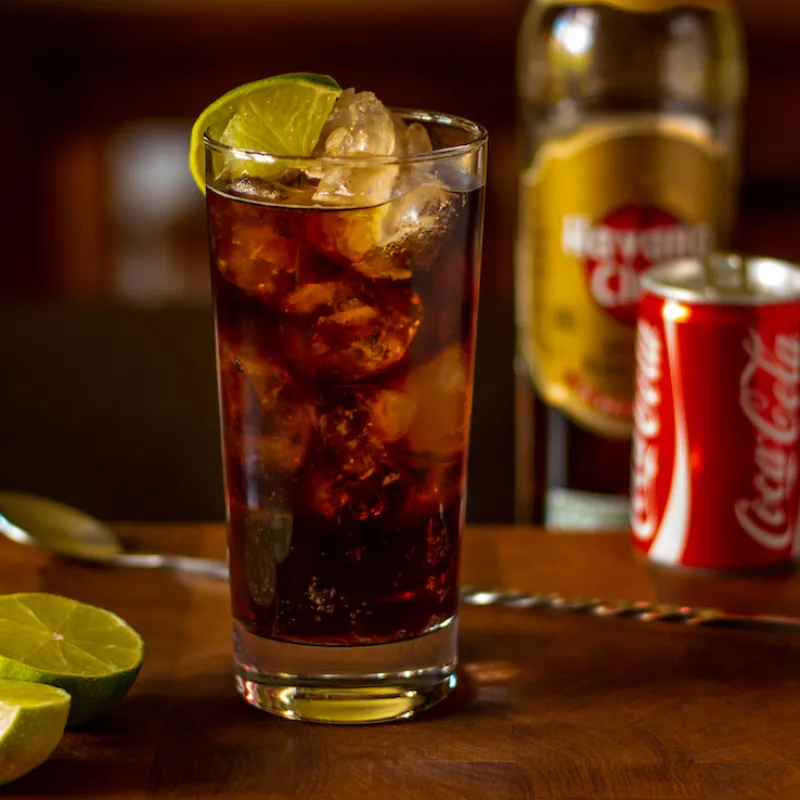
When: for highballs and other simple drinks made directly in the serving glass, such as the Gin and Tonic, the Cuba Libre, the Moscow Mule, the Screwdriver and the Aperol Spritz.
How: fill the glass completely with ice, pour in the spirit and any non-carbonated ingredients, then top with the chilled mixer. Lift gently once with a bar spoon from the bottom. Do not stir hard, or the carbonation escapes.
Muddling
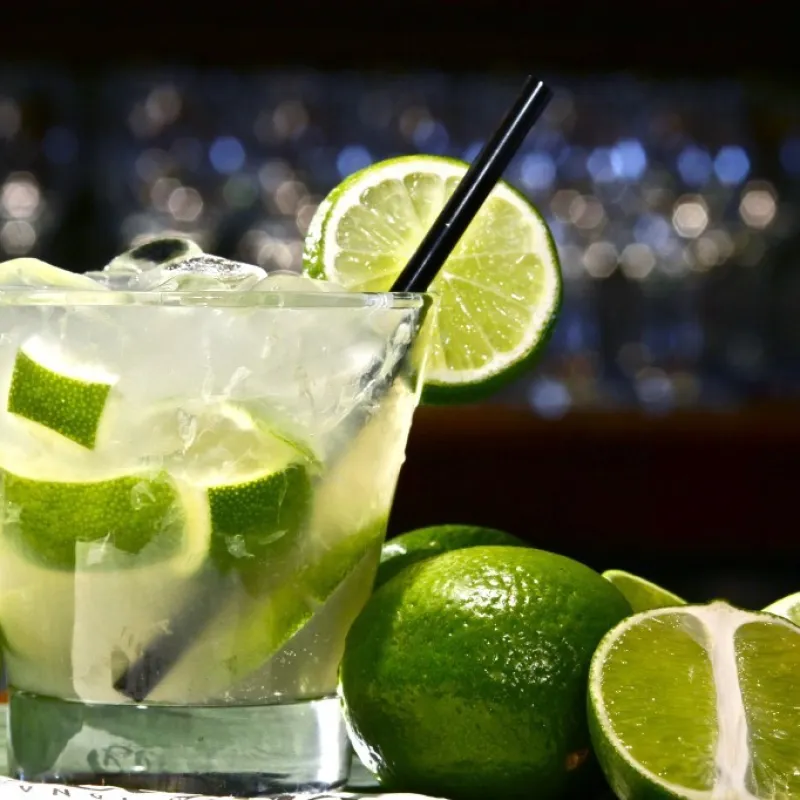
When: to release juice and oils from fresh fruit, herbs or spices in the glass or shaker. The Caipirinha, the Mojito, the Mint Julep and the Old Fashioned (in its sugar cube version) use this technique.
How:
- For citrus, press firmly with a muddler to extract juice and oil from the peel. In a Caipirinha, the sugar granules help.
- For mint and other soft herbs, press gently a few times. Crushing or shredding the leaves releases bitter, grassy flavours. Many bartenders simply clap the mint between their hands to release the aroma.
- For berries, muddle until broken up, then double strain if the drink is served without ice.
Layering
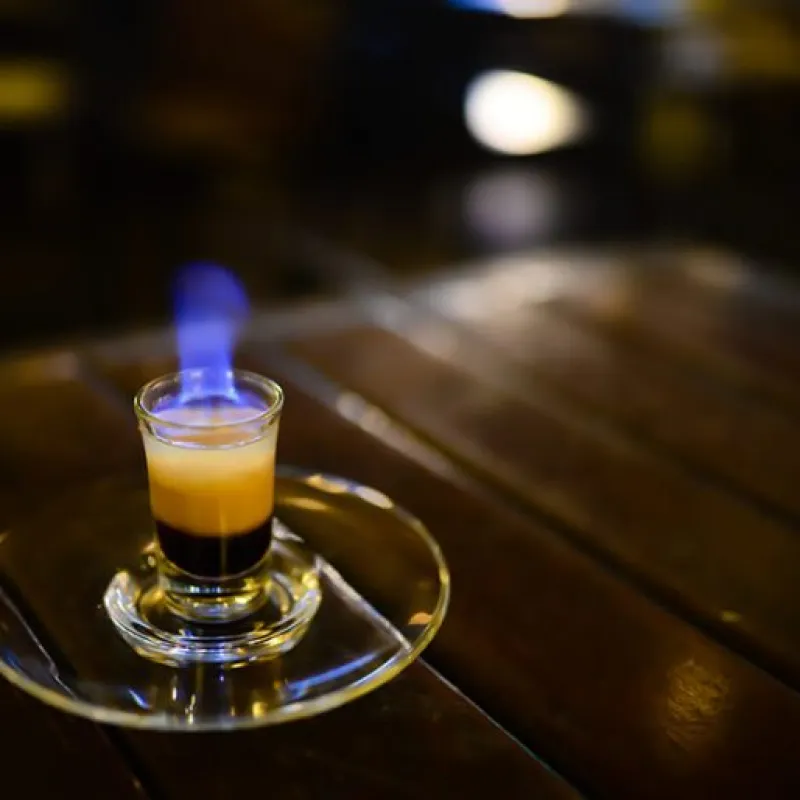
When: for drinks where visible layers are part of the appeal, such as the B-52, or a float of red wine on a New York Sour.
How: the order depends on density. Ingredients with more sugar are heavier and go at the bottom, while spirits with less sugar and more alcohol float on top. Pour the heaviest ingredient first. Then hold a bar spoon upside down just above the surface, with the tip touching the inside of the glass, and pour the next ingredient very slowly over the back of the spoon. Chilled ingredients layer more cleanly.
A gradient like the one in the Tequila Sunrise is a softer variation: the grenadine is poured last and sinks through the orange juice on its own.
Blending
When: for frozen drinks with a smooth, slushy texture, such as the frozen Daiquiri, the frozen Margarita or the Piña Colada.
How: add liquids first, then ice. Use crushed or small ice so the blender works evenly. Blend until smooth, with no chunks left. Frozen drinks are served very cold, which dulls sweetness, so recipes often contain a little more syrup than their shaken versions. Too much ice makes a drink bland; too little makes it runny. Start with about a cup of ice per drink and adjust.
Swizzling and throwing
Two less common techniques appear in some recipes:
- Swizzling: a drink is built over crushed ice in the glass and mixed by spinning a swizzle stick (traditionally a branched twig from a Caribbean tree) between your palms until the glass frosts. The Queen's Park Swizzle is the classic example. A bar spoon works as a substitute.
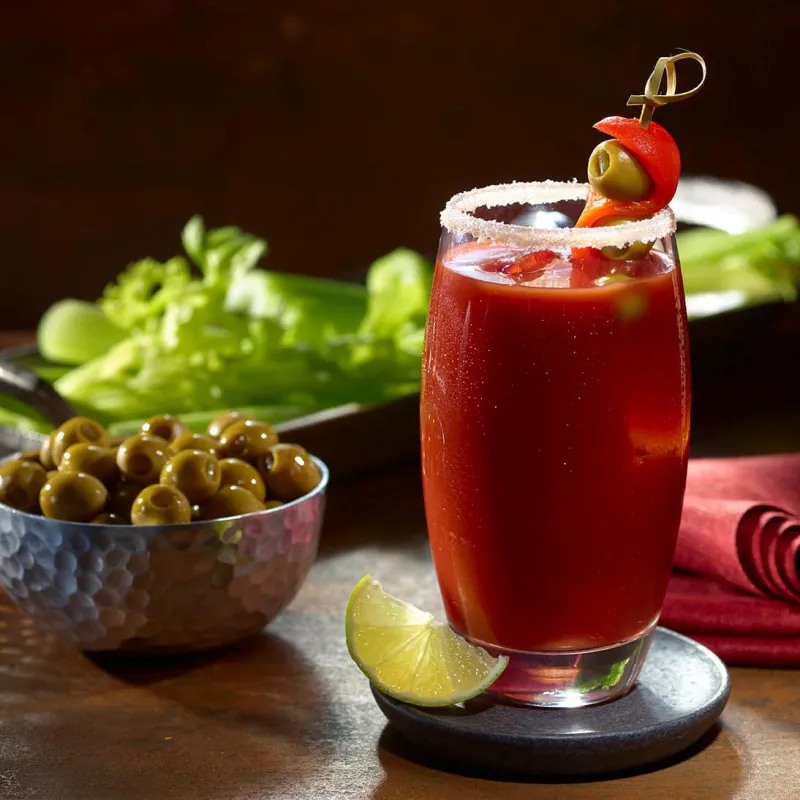
- Throwing: the drink is poured in a long arc between two tins, which chills it with little dilution and adds a gentle aeration. It is associated with Spanish and Cuban bartending and is sometimes used for the Bloody Mary.
Quick reference
| Technique | Use it for | Examples |
|---|---|---|
| Shake | juice, cream, egg, thick syrups | Daiquiri, Margarita, Whiskey Sour |
| Stir | spirits, vermouth, liqueurs, bitters only | Martini, Manhattan, Negroni |
| Build | spirit plus mixer in the glass | Gin and Tonic, Cuba Libre, Moscow Mule |
| Muddle | fresh fruit, herbs, sugar | Caipirinha, Mojito, Mint Julep |
| Layer | visible layers by density | B-52 |
| Blend | frozen, slushy texture | Piña Colada, frozen Daiquiri |
If a recipe does not name a method, this table almost always answers the question. Look at the ingredients: as soon as juice, cream or egg are involved, shake; otherwise stir or build in the glass.
Common mistakes
- Too little ice. A half-full shaker melts faster and dilutes more. Fill it up.
- Old or wet ice from the freezer door. It tastes of the freezer and melts quickly.
- Warm glasses. A drink served up warms in seconds in a room-temperature glass.
- Shaking carbonated ingredients. Add soda, tonic or sparkling wine after shaking.
- Letting a finished drink wait. Serve right away. A shaken drink loses its texture within minutes.
Every recipe in our cocktail collection names its method, and the bar tools section shows the equipment for each technique. For a deeper look at the ice itself, see our guide to ice on the guides page.