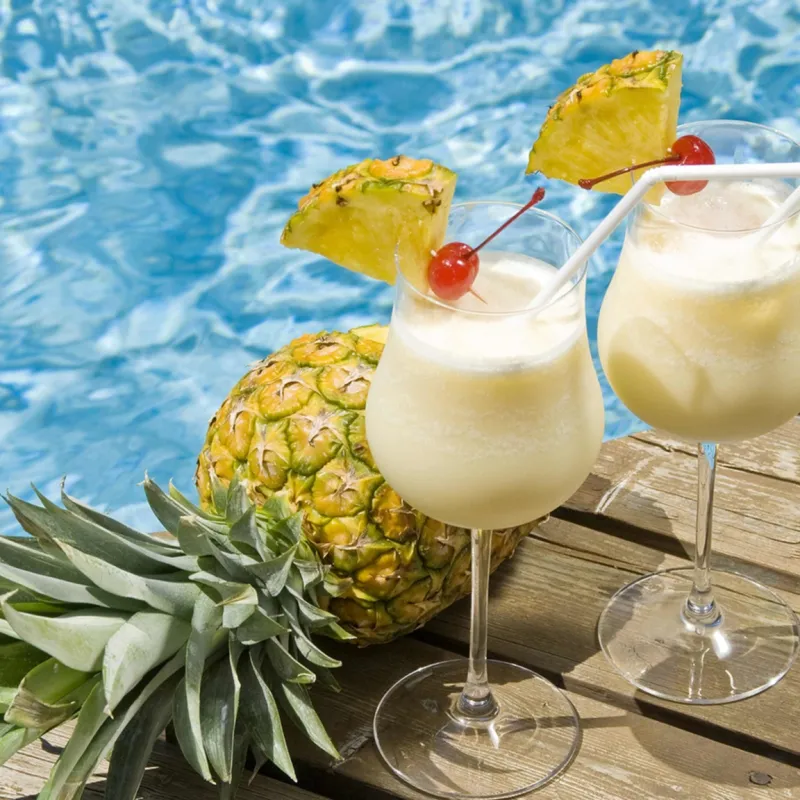
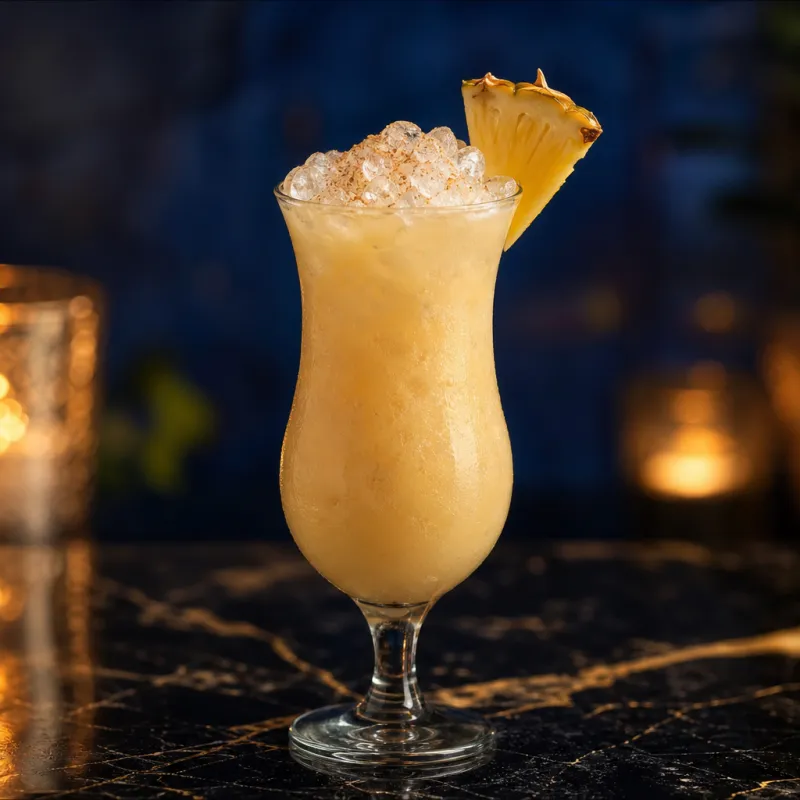
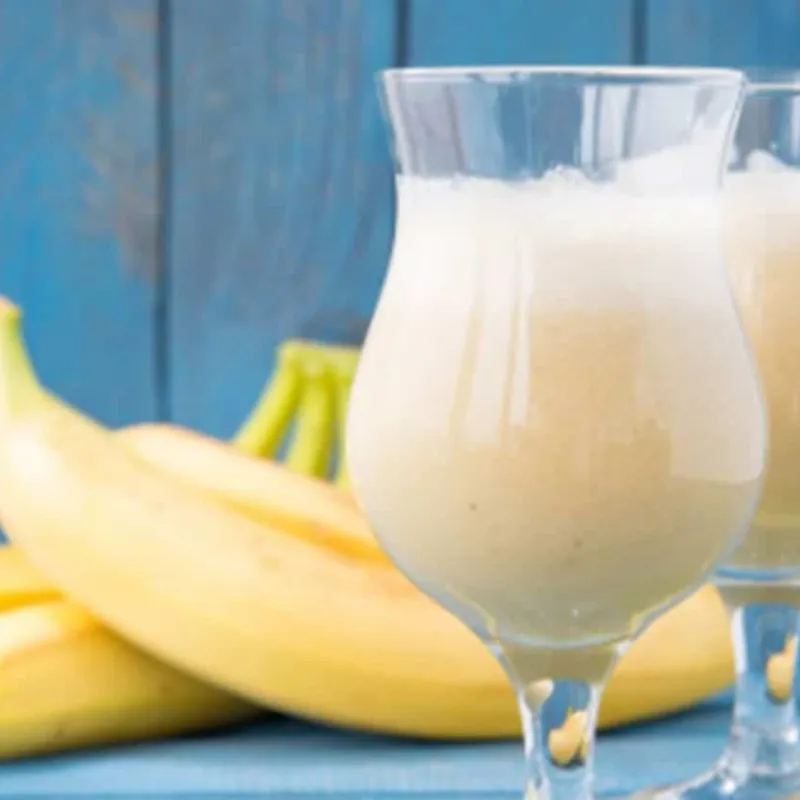
Frosty, creamy and fragrant with ripe pineapple and toasted coconut, it tastes like a beach holiday in a glass. Made with good rum and real pineapple, the Piña Colada is far better than its umbrella-drink reputation suggests.
4.3Editors’ rating
Taste4.3
Balance4.1
Easy to make4.2
Popularity97
Reader rating: No reader ratings yet. Be the first.
Garnish: Pineapple wedge and cocktail cherry · Ice: Crushed ice
Method
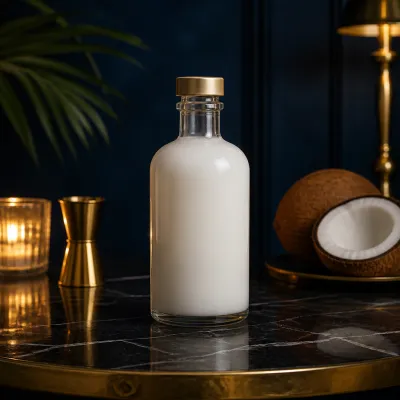
Add rum, cream of coconut and pineapple juice to a blender.
Add a cup of crushed ice.
Blend until smooth, about 15 to 20 seconds.
Pour into a chilled hurricane glass.
Garnish with a pineapple wedge and a cocktail cherry.
Link copied
Watch it made
Piña Colada
Taste
Sweet, creamy and tropical with pineapple and coconut, balanced by light rum. Smooth and cold, with a mellow strength.
History and origin
The Piña Colada is the national drink of Puerto Rico, officially so since 1978, and its origin is claimed by more than one San Juan establishment. The Caribe Hilton says its bartender Ramón "Monchito" Marrero created it in 1954. The Barrachina restaurant in Old San Juan claims that Ramón Portas Mingot invented it there in 1963. Both stories are told with conviction, and neither has fully settled the question.
What made the drink possible was cream of coconut, a sweetened coconut product developed in Puerto Rico in the 1950s and sold as Coco López, which made a smooth, consistent drink easy to produce. The name means strained pineapple in Spanish. The International Bartenders Association lists the Piña Colada among its Contemporary Classics.
Bartender tips
Use cream of coconut (sweetened), not coconut milk or unsweetened coconut cream, or the drink will be thin and bland.
A squeeze of fresh lime juice (about 10 ml) cuts the sweetness if you prefer a brighter drink.
Not a fan of blended drinks? Shake hard with ice and strain over crushed ice for a lighter texture.
Variations
Virgin Piña Colada
Leave out the rum and add a little more pineapple juice.