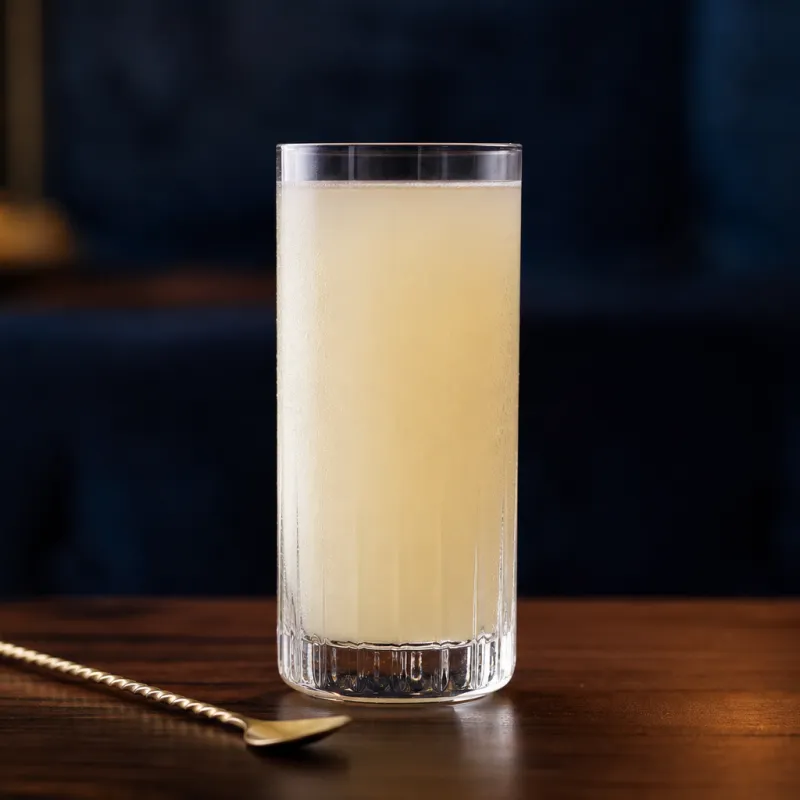
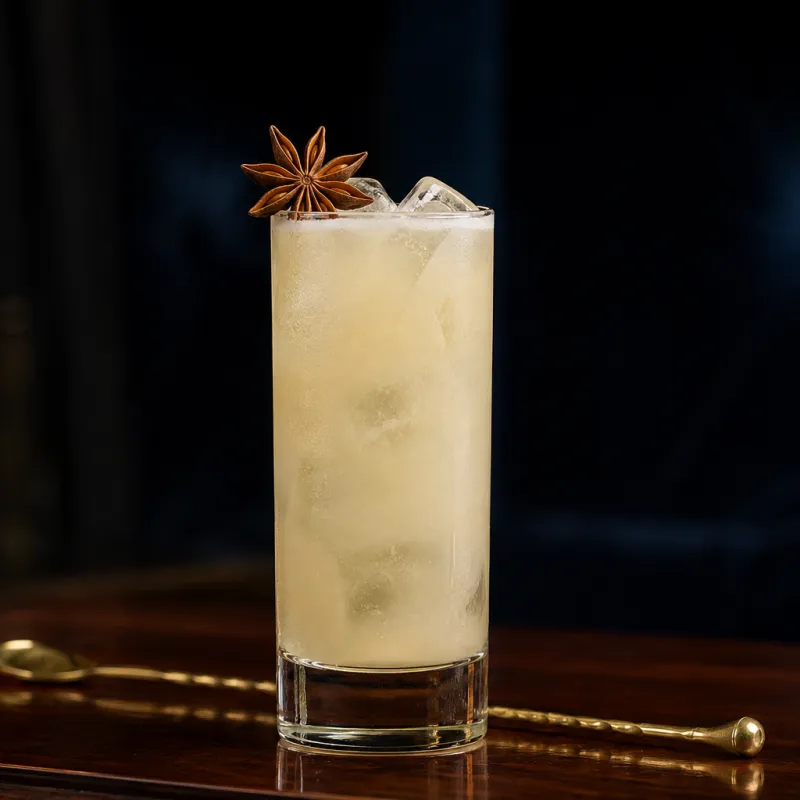
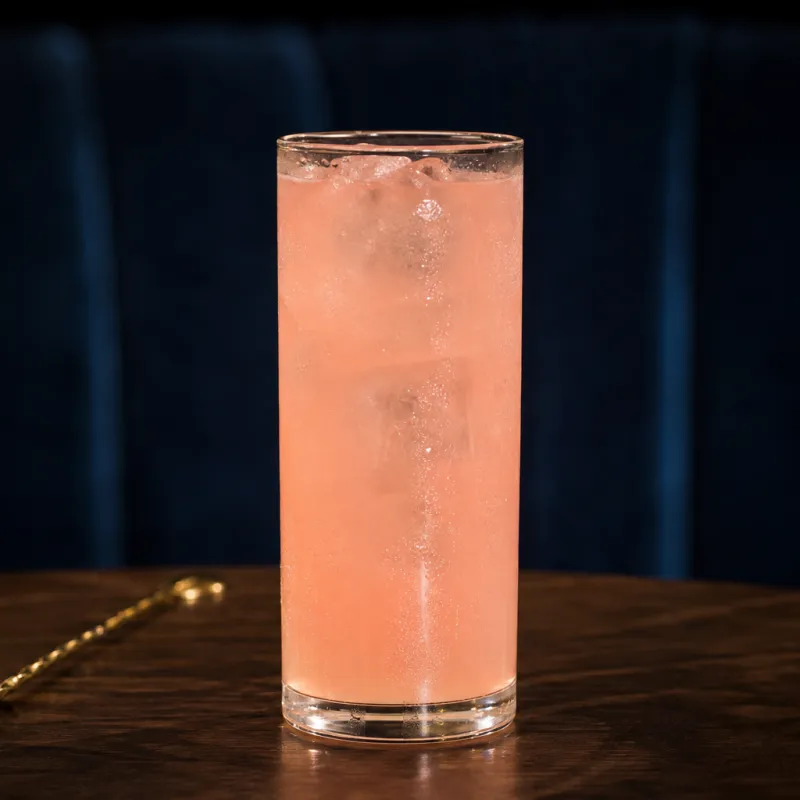
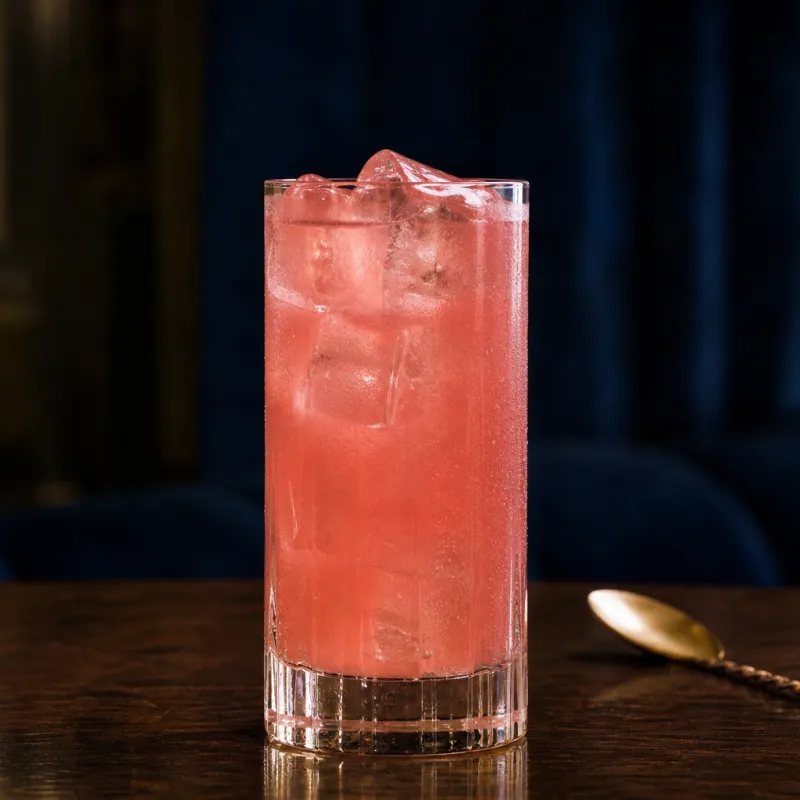
Pour the water and watch the clear, golden spirit turn milky and pale. What follows is cool aniseed, liquorice root and herbs, long and thirst-quenching, the taste of a café terrace in the south of France.
3.8Editors’ rating
Taste3.8
Balance4
Easy to make5
Popularity60
Reader rating: No reader ratings yet. Be the first.
5 ozwater about five parts water to one part pastis
Garnish: None · Ice: Served up, no ice
Method
Pour the pastis into a tall glass.
Slowly add the ice-cold water and watch the drink turn cloudy.
Add one or two ice cubes if you like, after the water.
Adjust the water to taste and serve immediately.
Link copied
Watch it made
Pastis
Taste
Cool, dry and aromatic with aniseed, liquorice and a hint of herbs. Light and refreshing once diluted.
History and origin
Pastis is an anise-flavored spirit that became the favorite aperitif of southern France. Its rise followed the ban on absinthe in France in 1915, which left drinkers without their anise-flavored aperitif. In 1932 Paul Ricard launched his pastis in Marseille, and the brand, along with Pernod, made the drink a national institution. Pastis is especially associated with Marseille, Provence and the game of pétanque.
Unlike absinthe, pastis contains no wormwood and is based on star anise and liquorice root along with other herbs. It is almost never drunk neat. The ritual is simple: pastis in the glass, cold water added until it clouds, and ice only at the end. The typical ratio is one part pastis to about five parts water, though everyone has their own preference.
Bartender tips
Add the water before the ice: ice dropped straight into neat pastis can make the anise oils crystallize into flakes.
Use still, very cold water; a carafe of water with ice in it is the classic bistro setup.
Start at one to five and add more water if the anise feels too strong.