 ★ 3.5
★ 3.5 Dessert cocktails
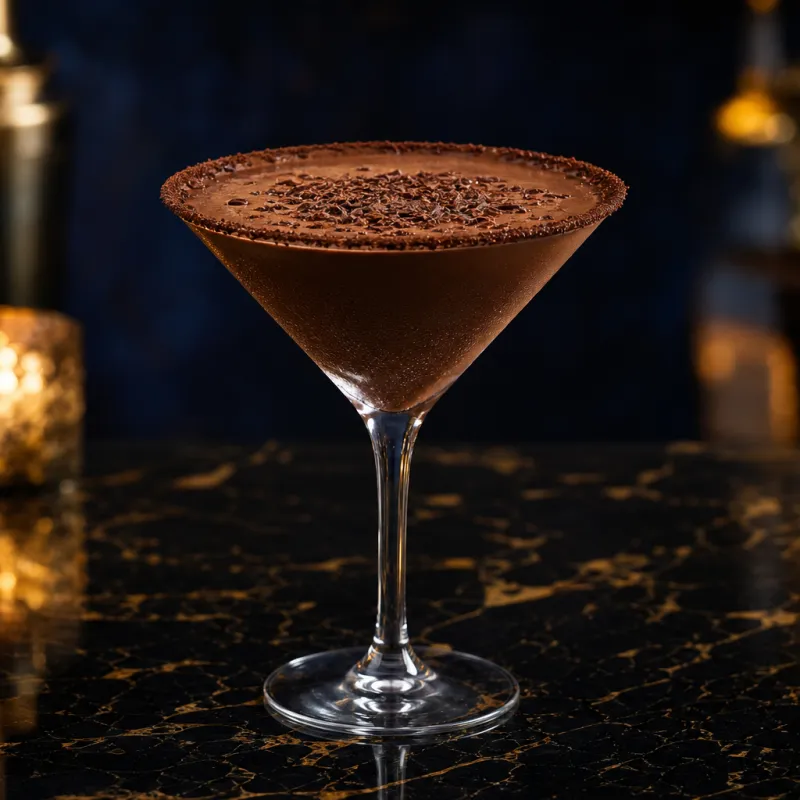
Dessert cocktails take the place of a sweet course: chocolate, coffee, caramel, nuts, cream and ripe fruit in liquid form. The Espresso Martini, the Grasshopper, the Mudslide and the Brandy Alexander are typical examples. This page collects recipes that are rich without being cloying, with notes on balancing sugar, choosing liqueurs and serving small portions at the end of a meal.
2 cocktails
★ 3.5 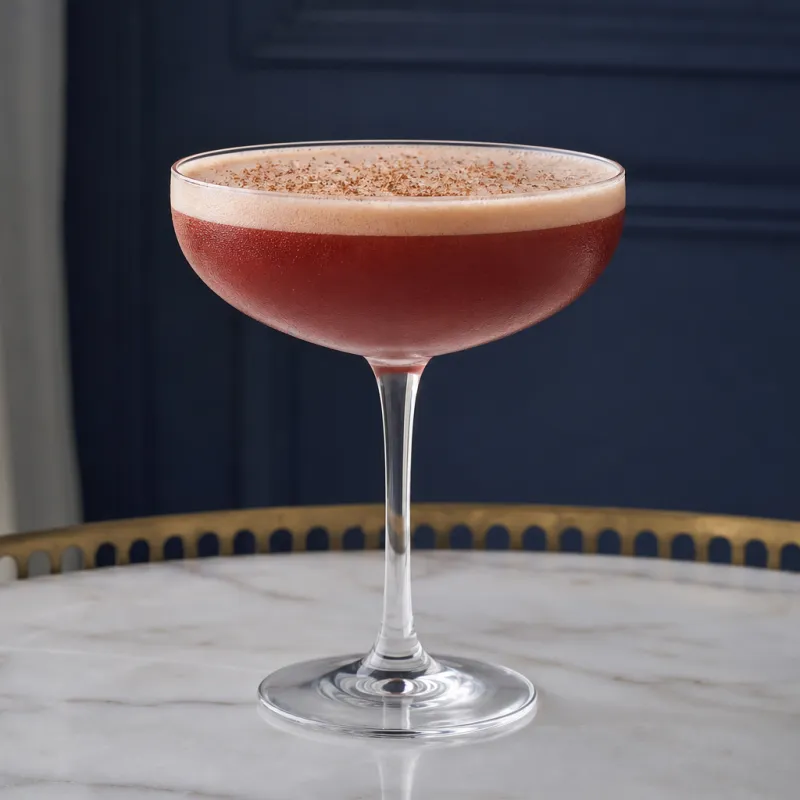 IBA ★ 4
 Porto Flip
No cocktails found. Try another word or browse the A to Z list.
What makes a dessert cocktail
Dessert cocktails are designed to be served after dinner, either alongside a sweet or instead of one. They usually rely on liqueurs (coffee, chocolate, nut, cream or fruit), sometimes combined with cream, ice cream or espresso. The best of them are rich but not heavy, with enough bitterness, acidity or spirit to stop the sweetness from becoming flat.
Balancing sweetness
- Use liqueurs as the sweetener and skip extra syrup unless the drink clearly needs it.
- Add bitterness: fresh espresso, cocoa, a dash of bitters or a bitter amaro.
- Use a proper base spirit (cognac, aged rum, bourbon or vodka) so the drink has structure.
- A pinch of salt can make chocolate and caramel flavours taste rounder.
Typical recipes
The Espresso Martini shakes vodka, coffee liqueur and freshly brewed espresso hard to create a thick crema. The Grasshopper combines crème de menthe, white crème de cacao and cream in equal parts. Many dessert drinks can also be blended with a scoop of vanilla ice cream for a thicker, milkshake-like version.
Serving tips
Serve dessert cocktails in small glasses such as a coupe, Nick and Nora or small wine glass. Portions of 90 to 120 ml are plenty. Garnish with something that hints at the flavour: three coffee beans, grated chocolate, a light dusting of nutmeg or cinnamon. Brew espresso fresh right before shaking, as cold stale coffee gives a flat, bitter drink.